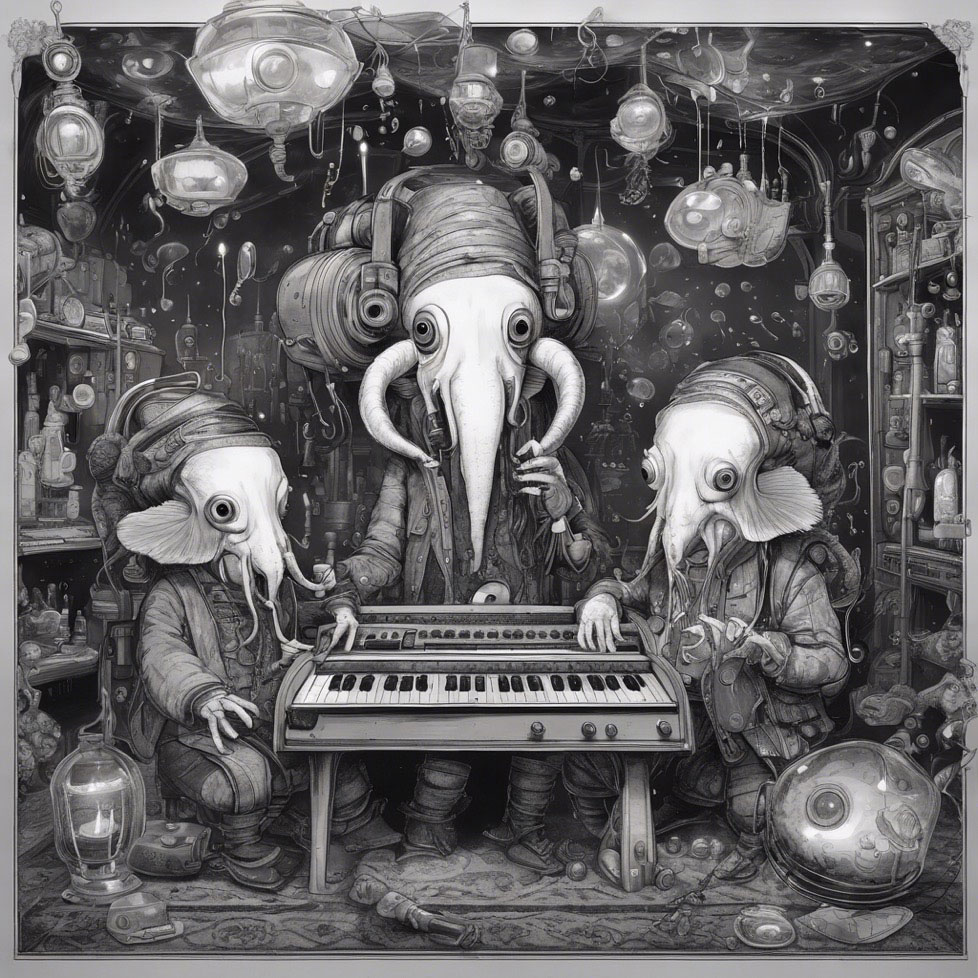
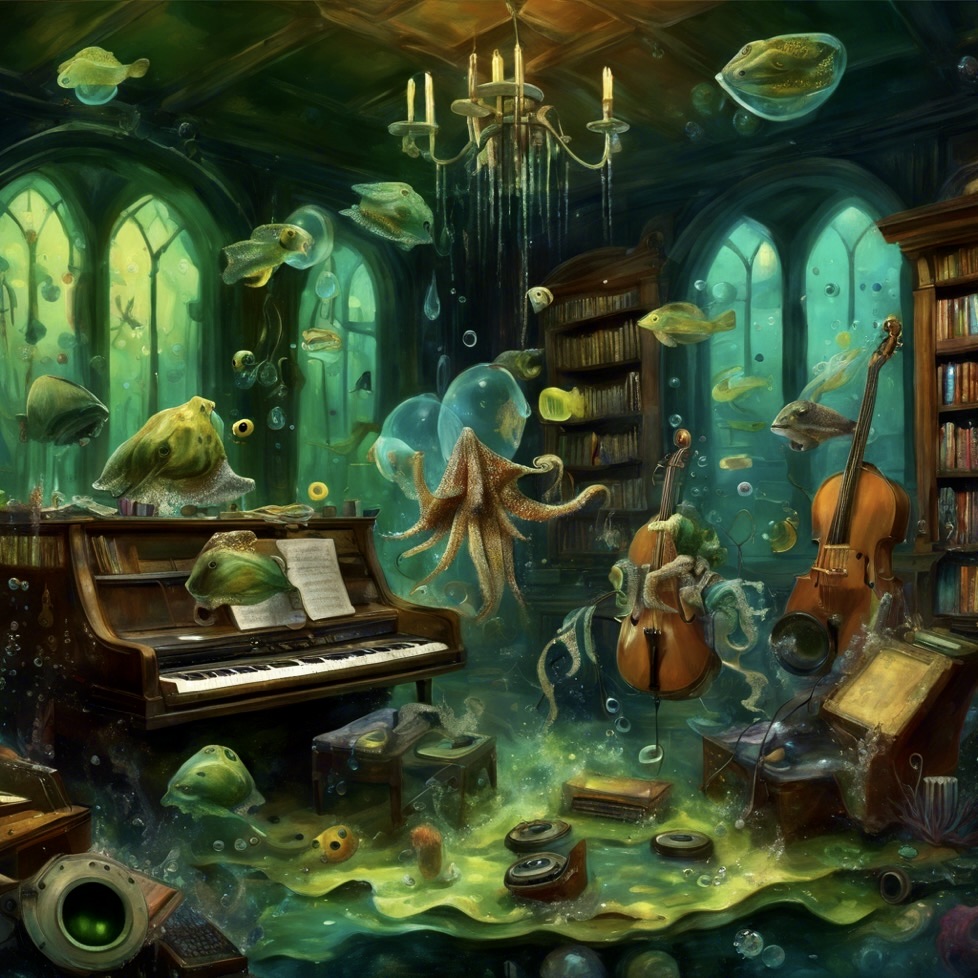
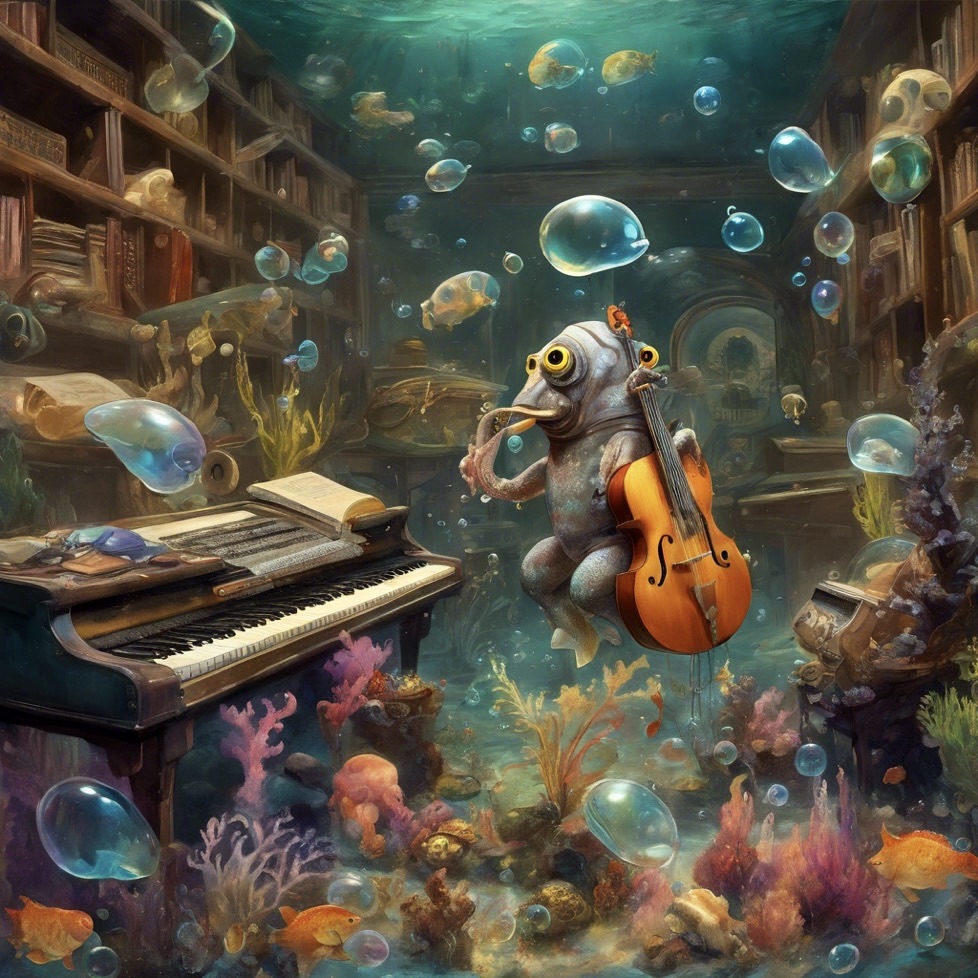
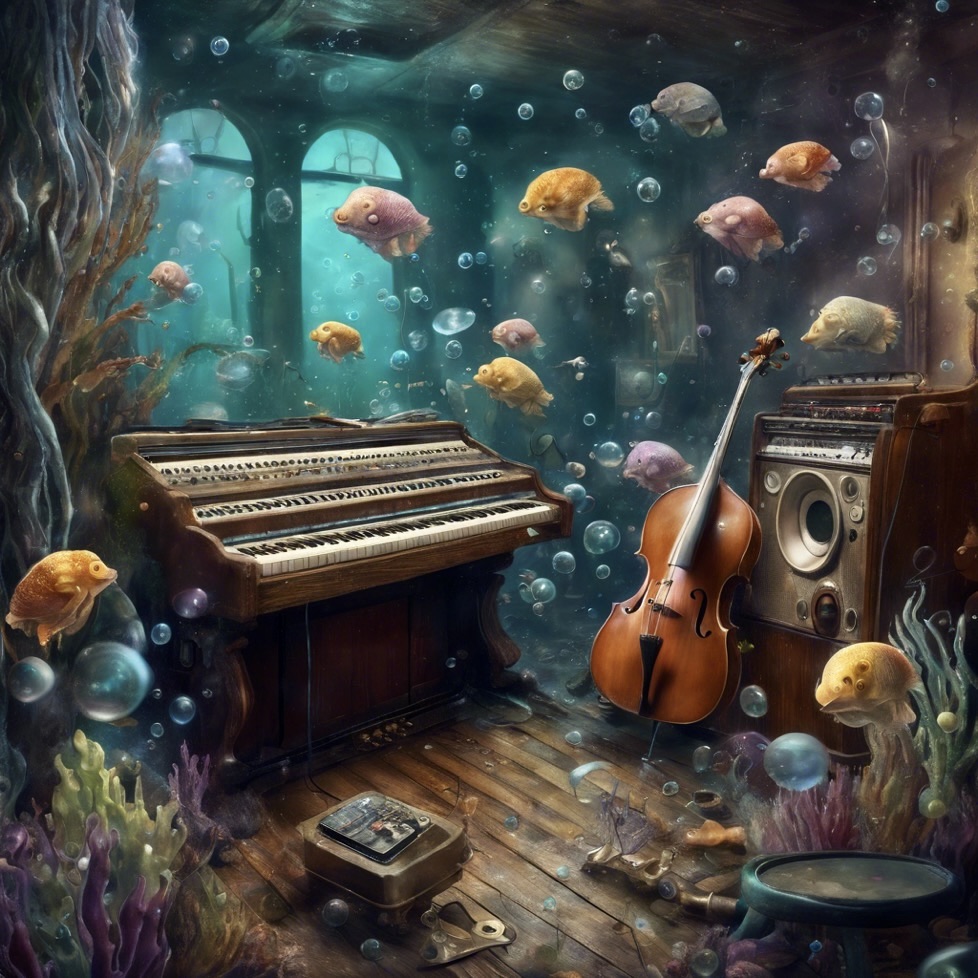
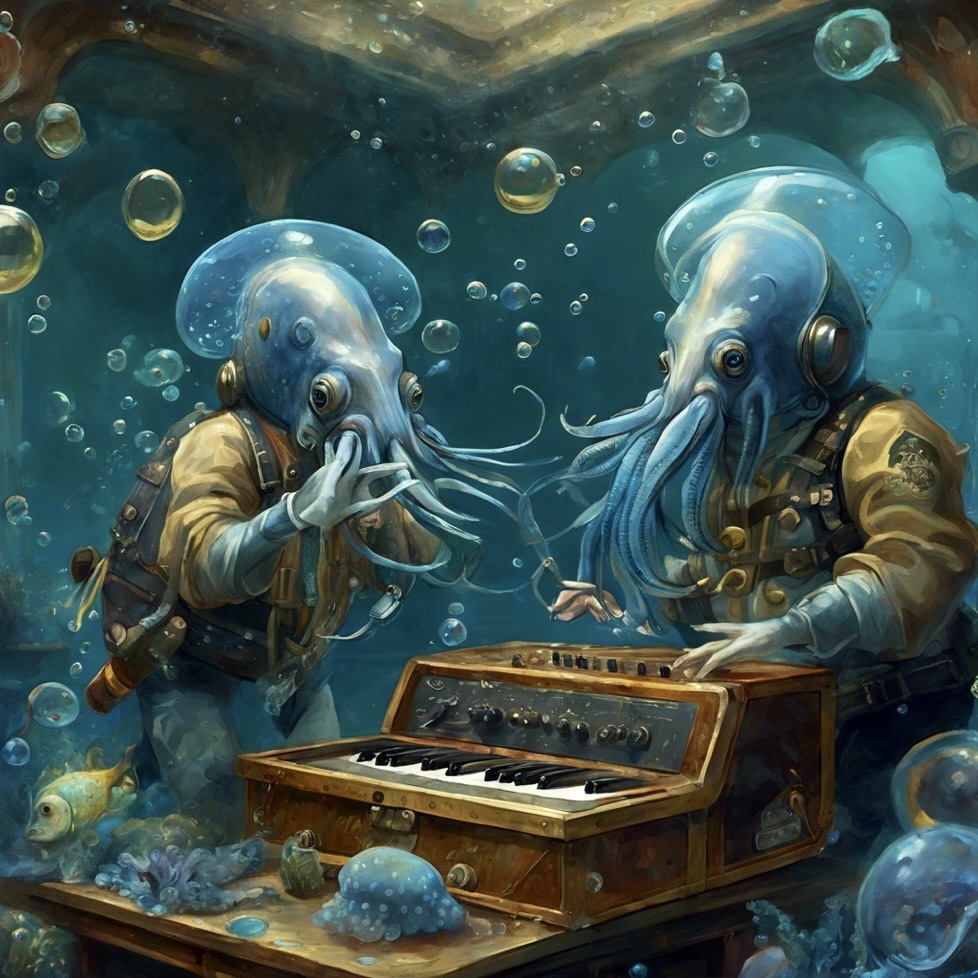
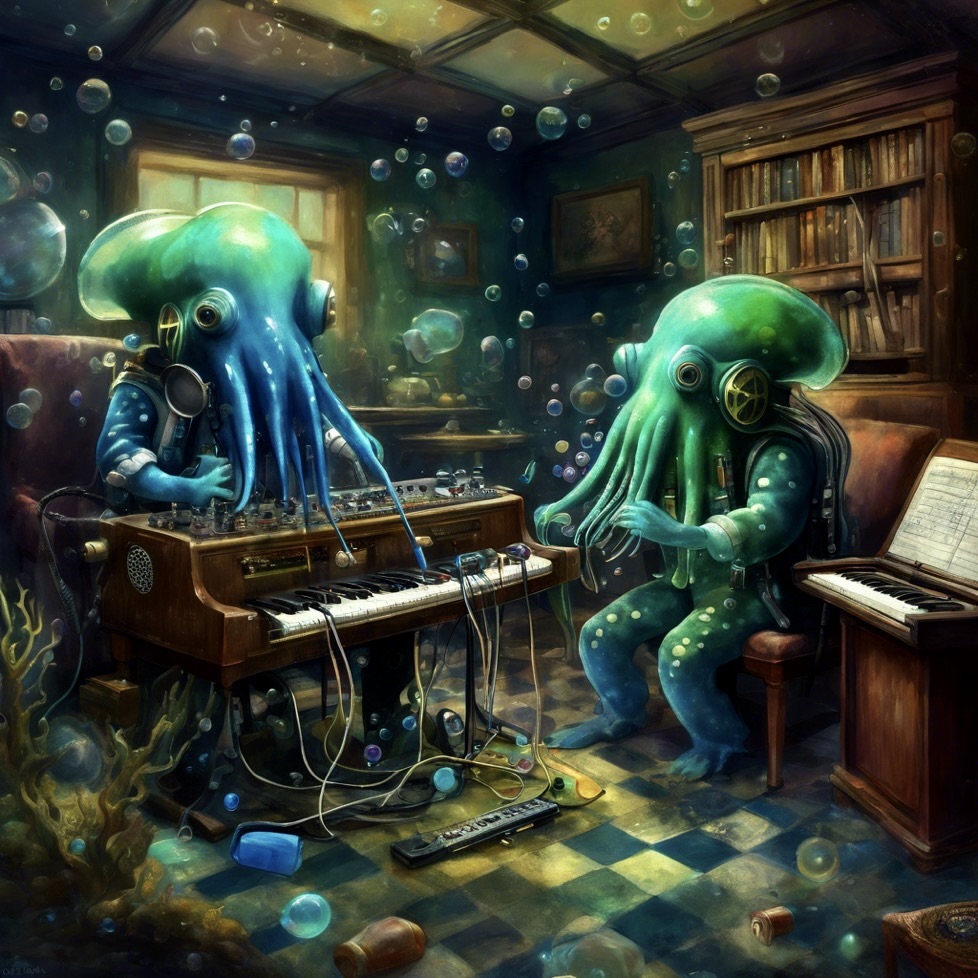
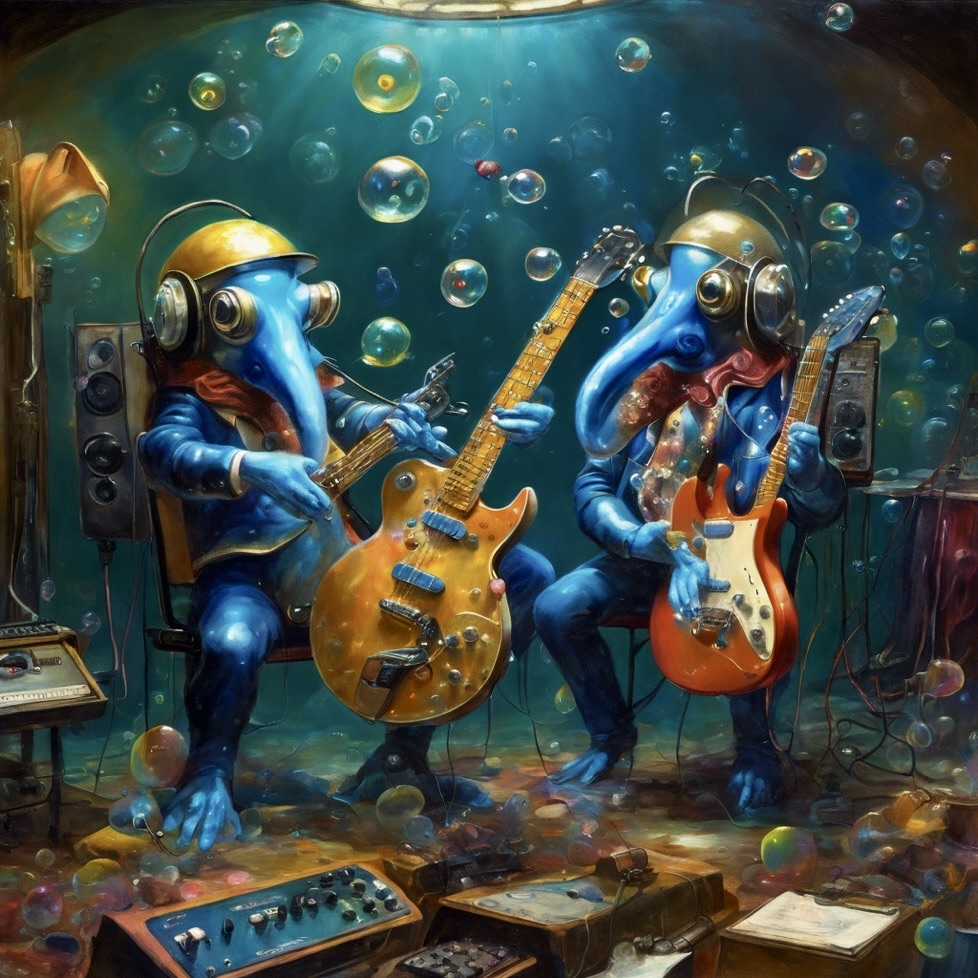
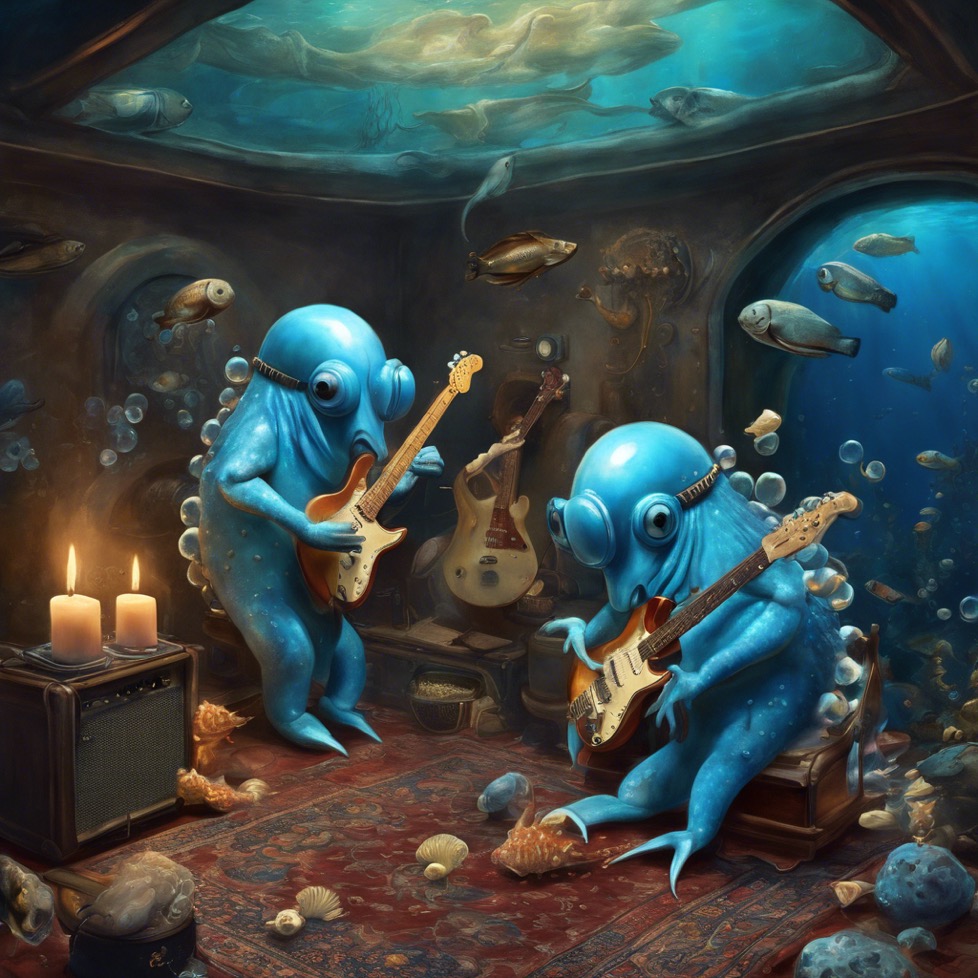
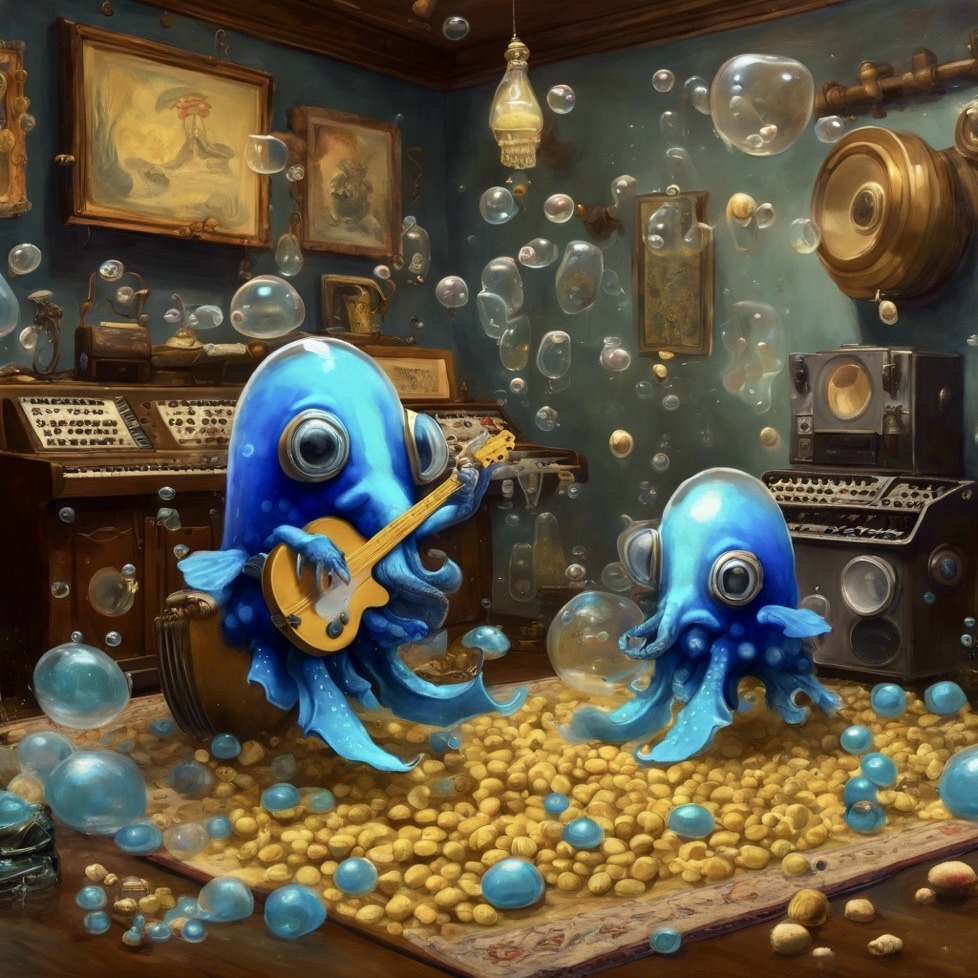
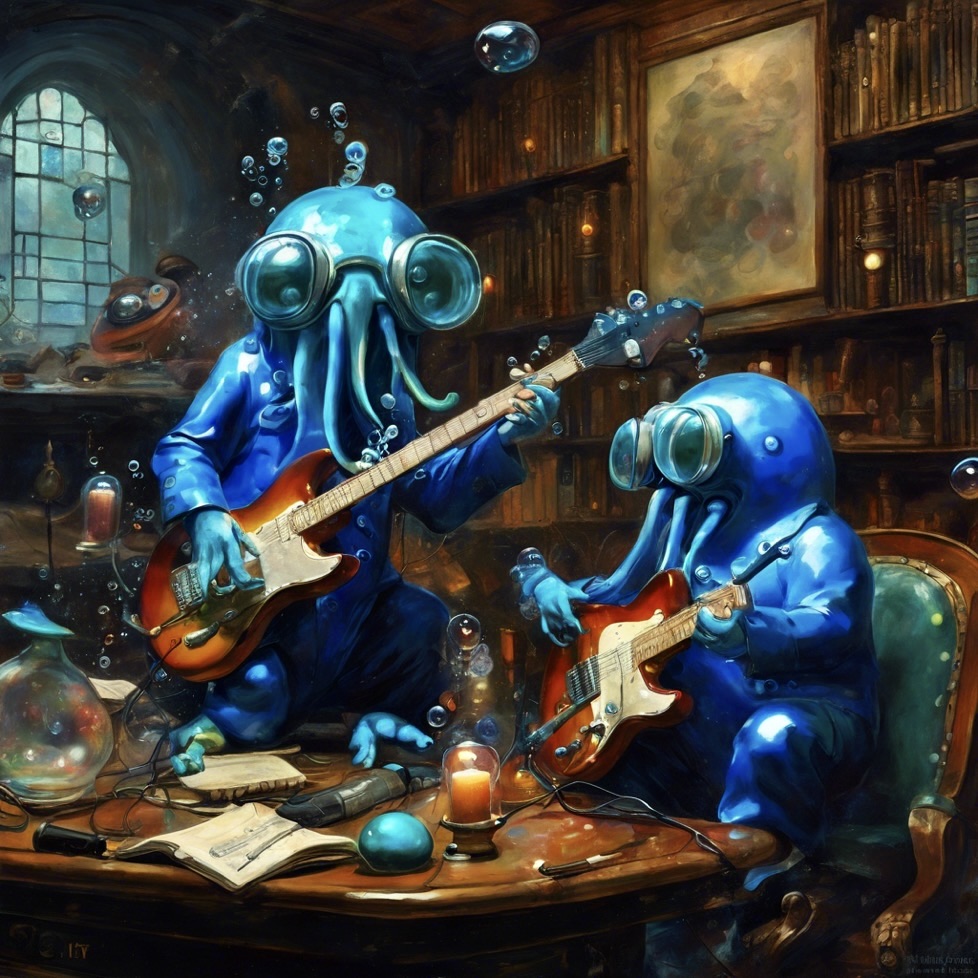
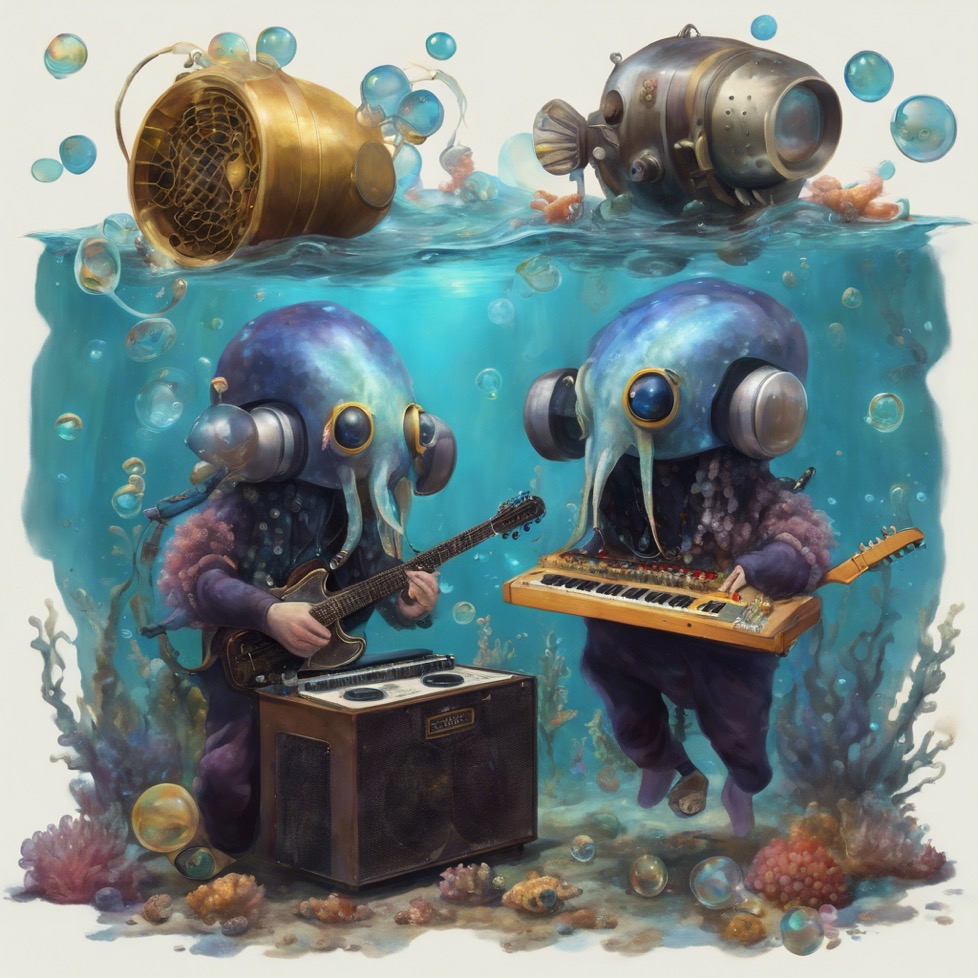
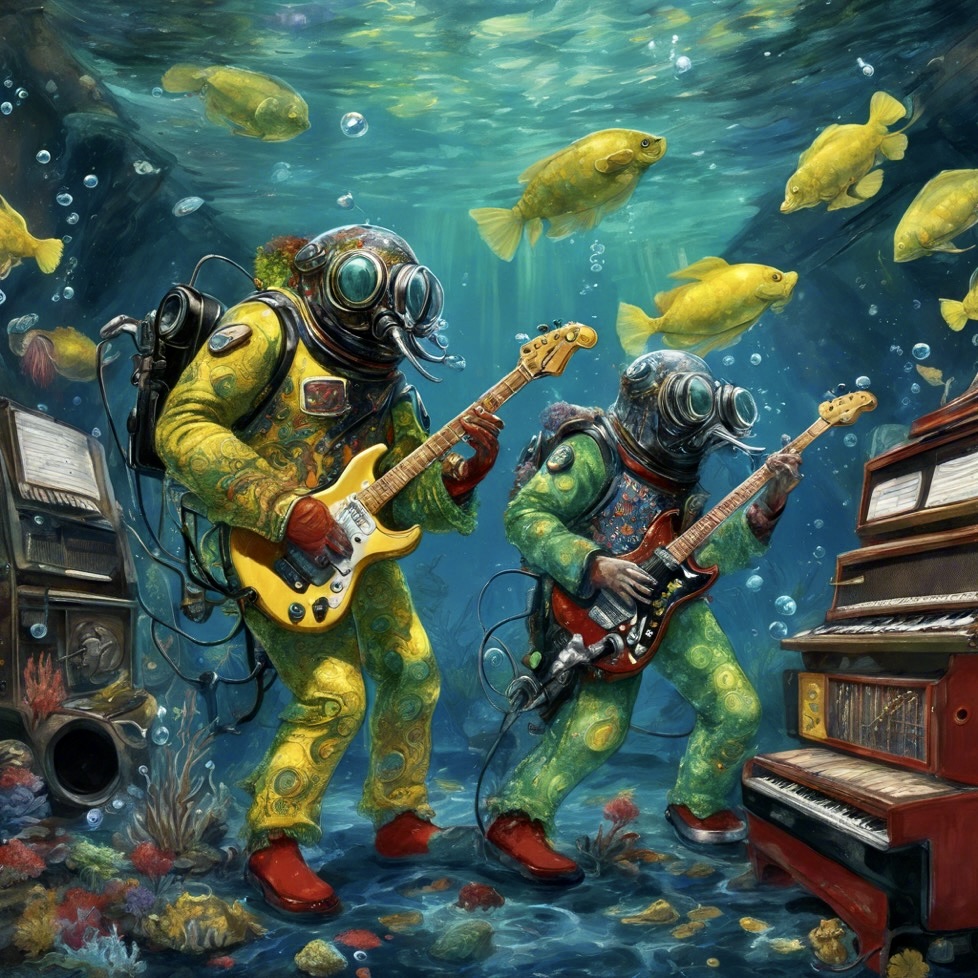
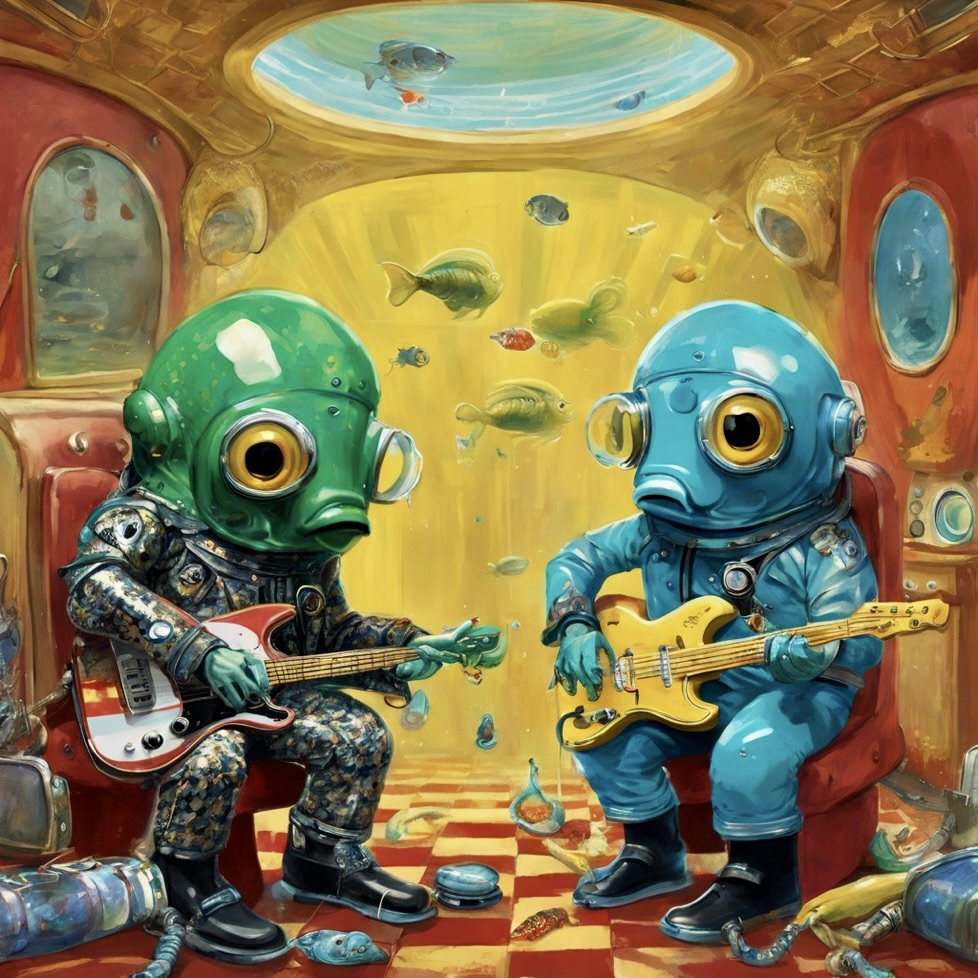
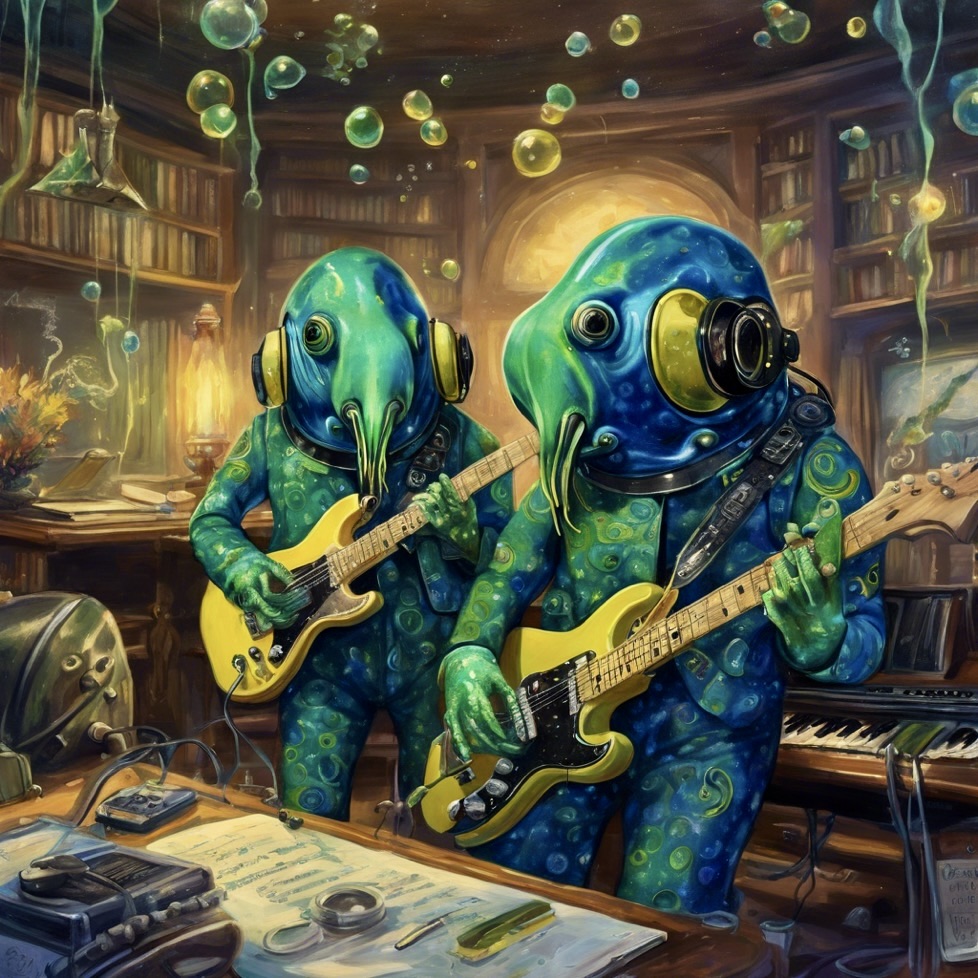
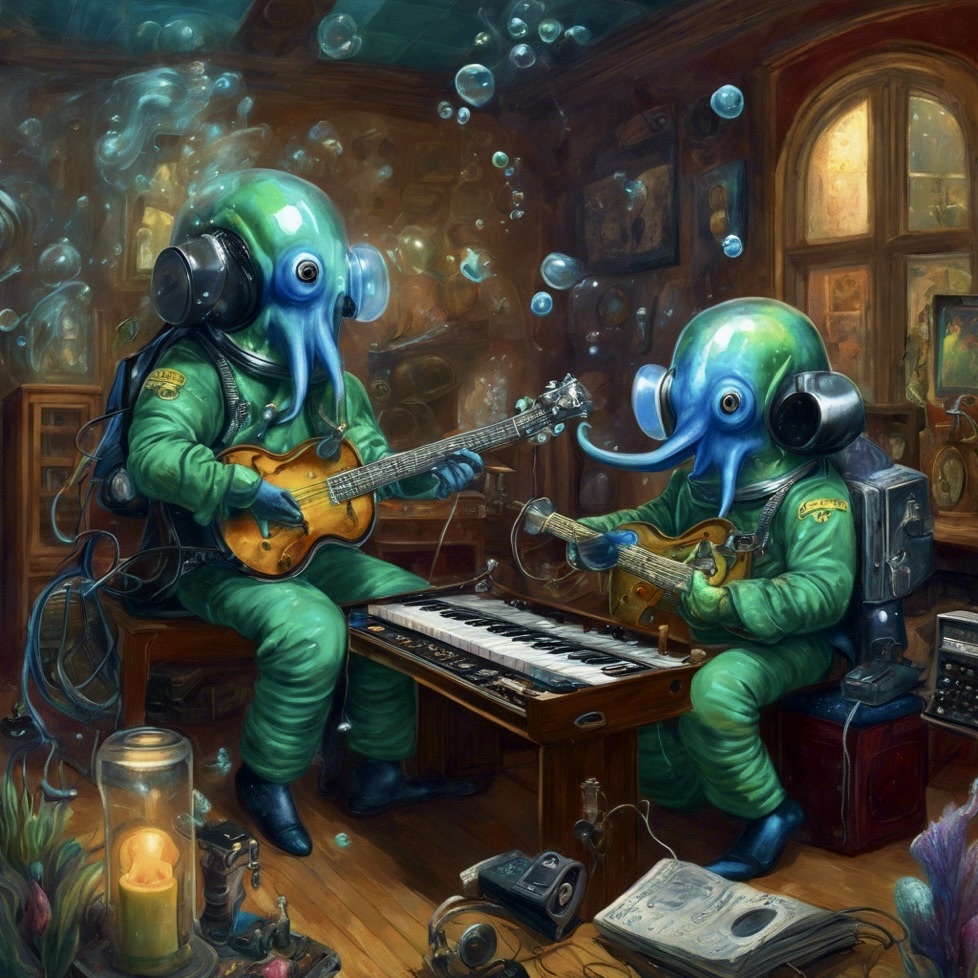
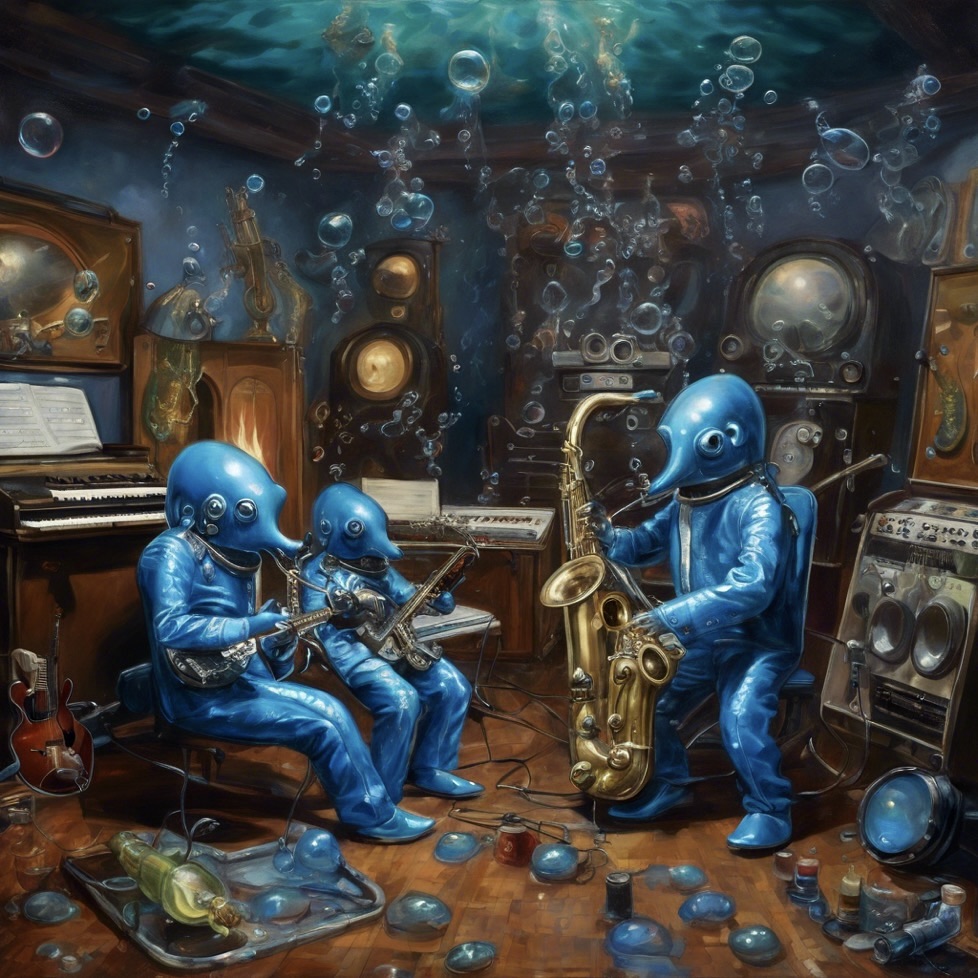
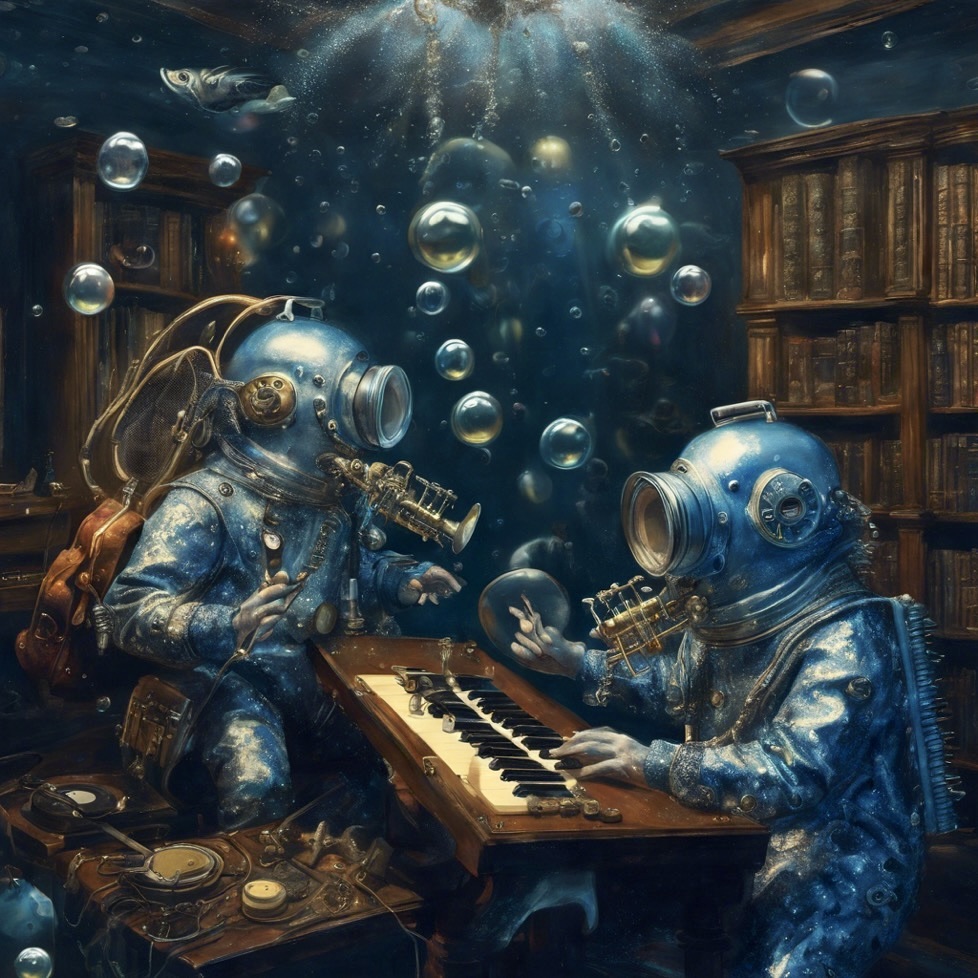
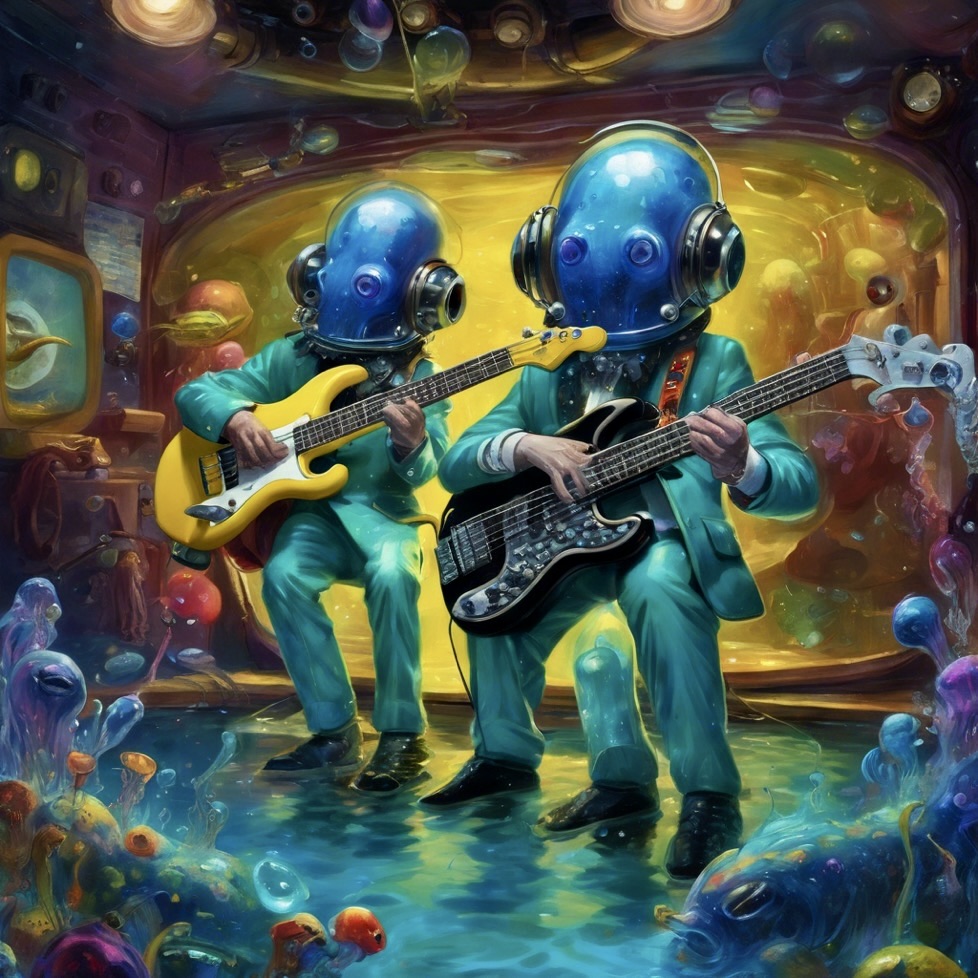
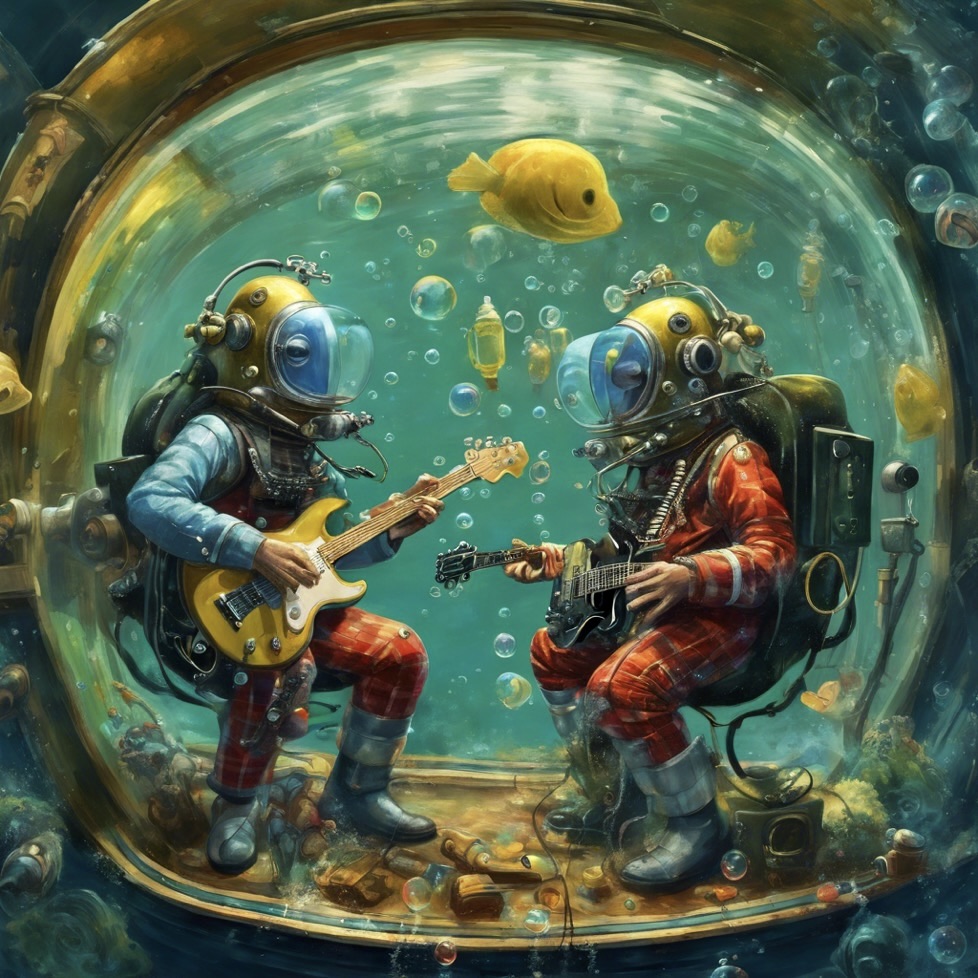
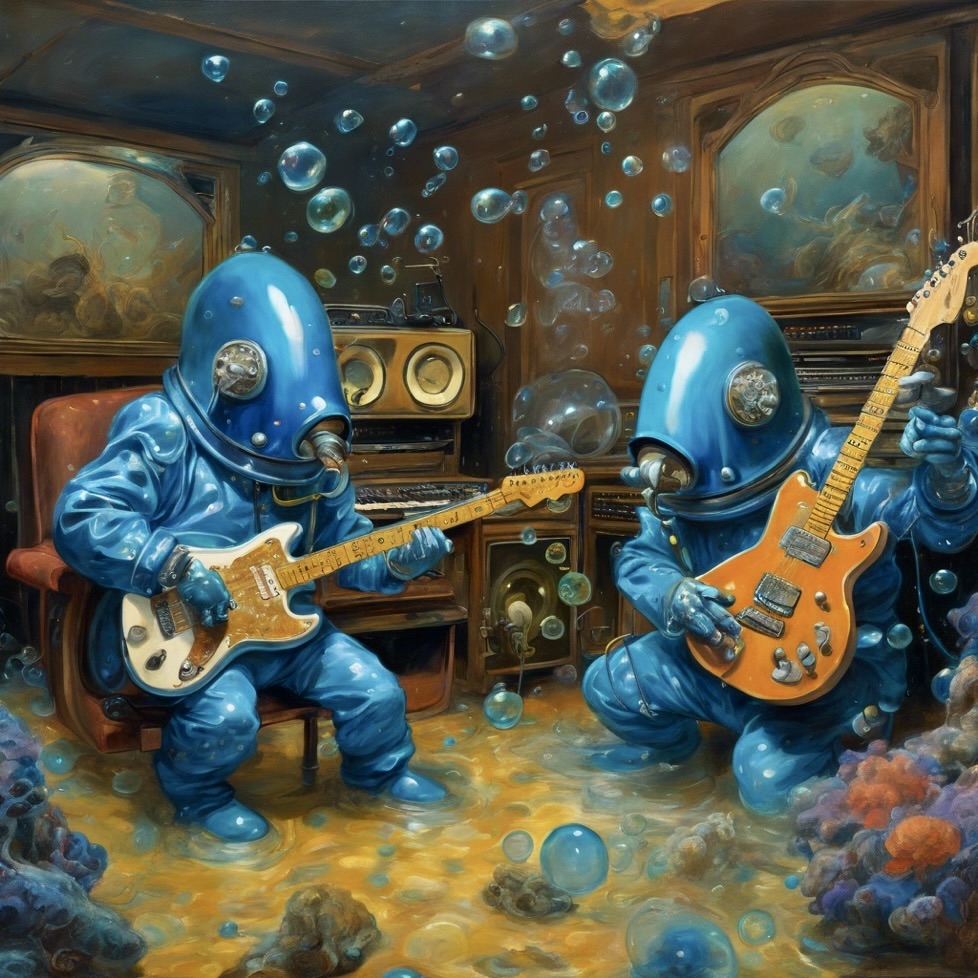
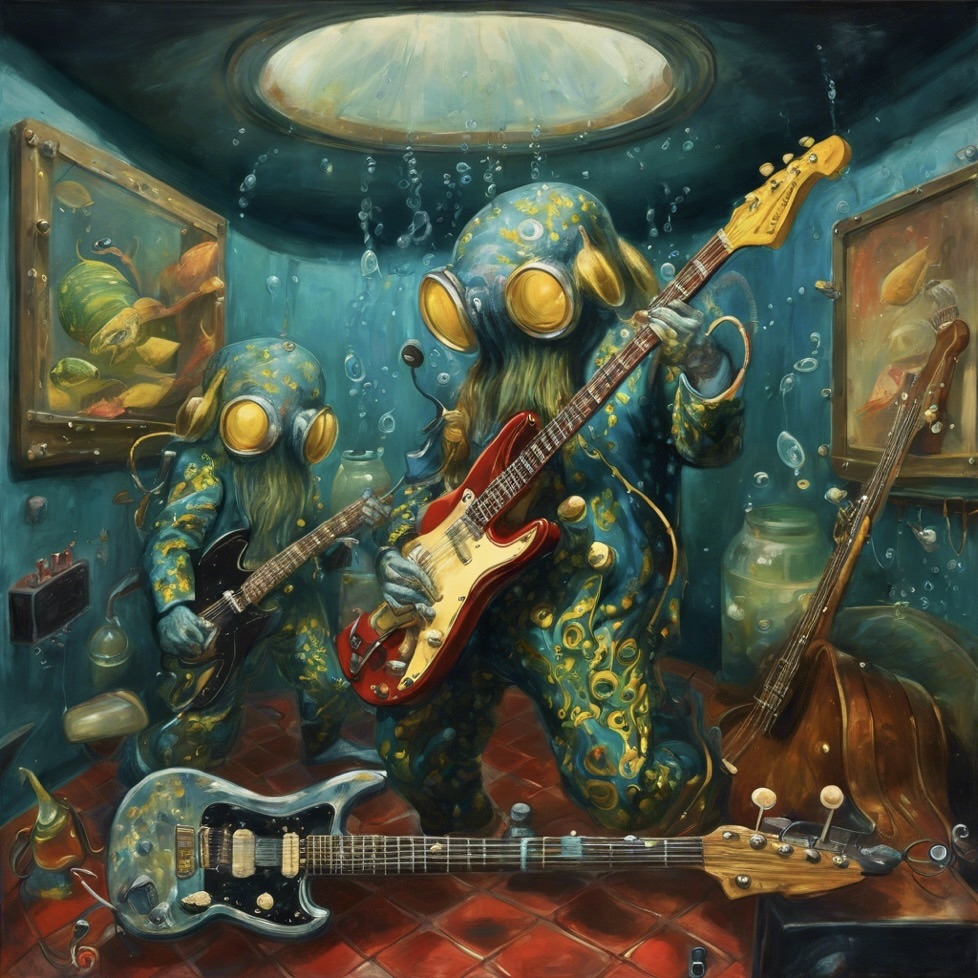
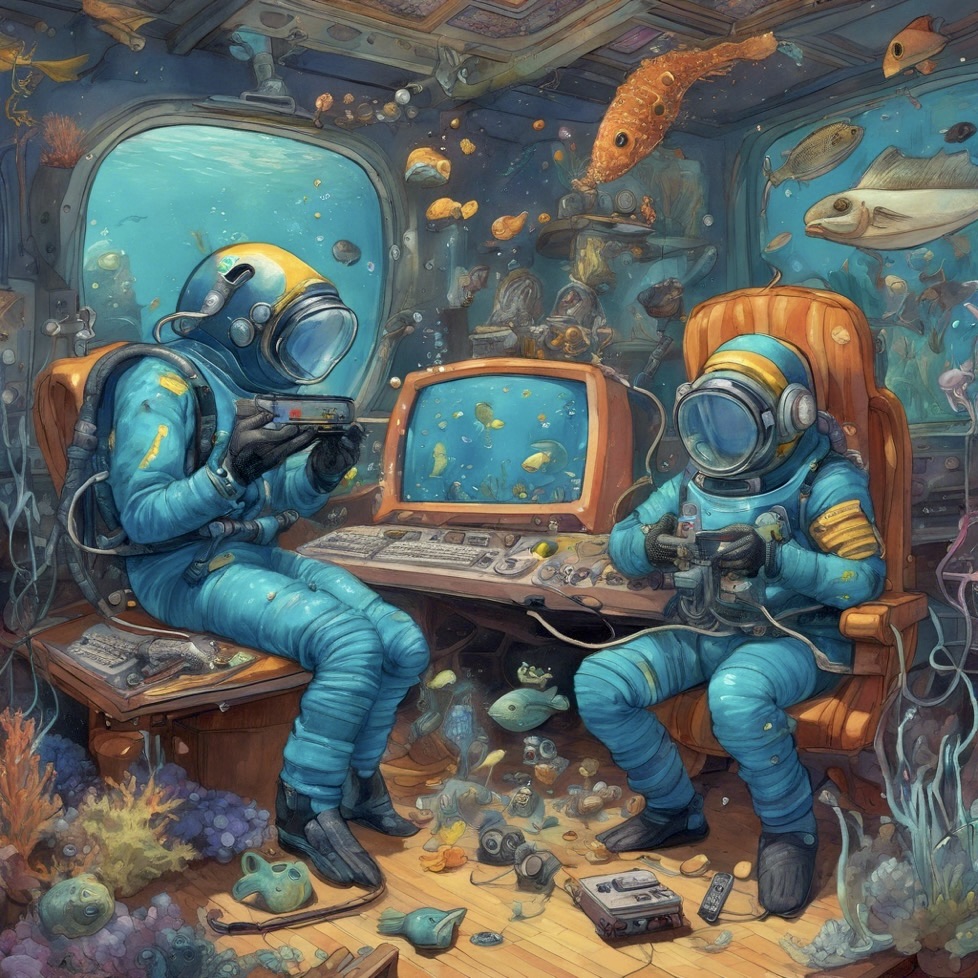
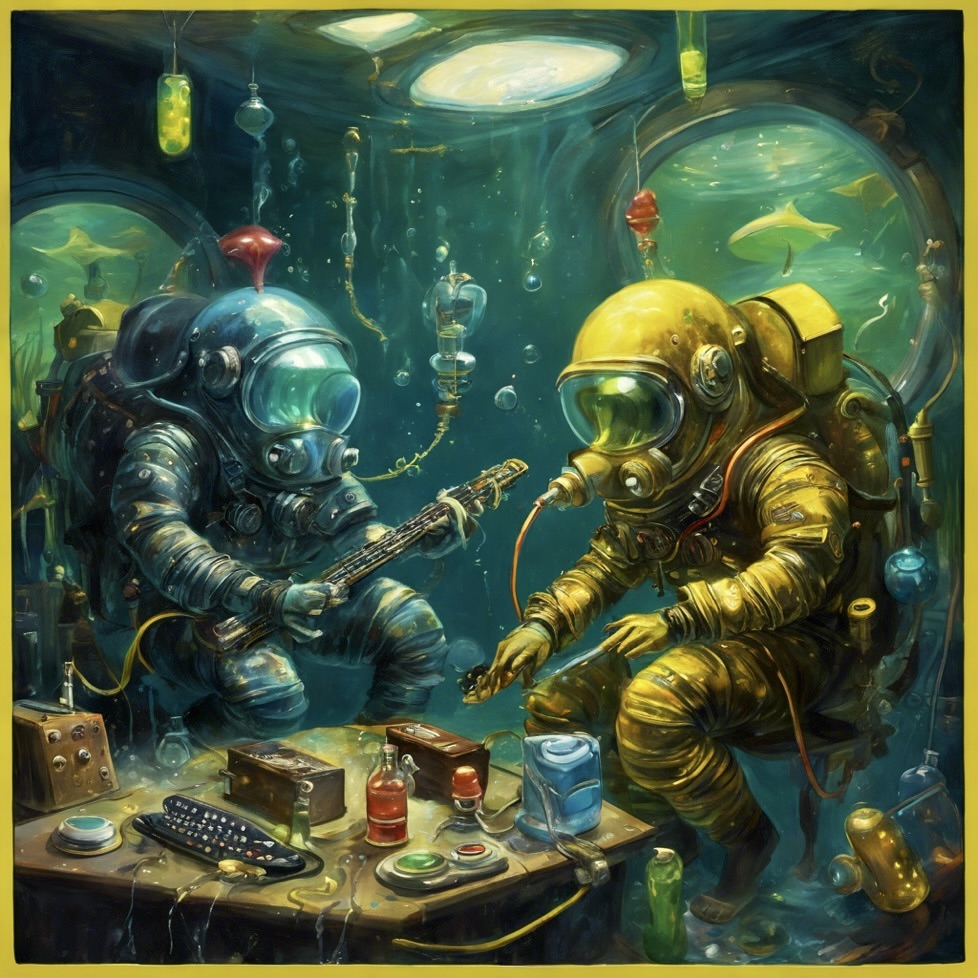
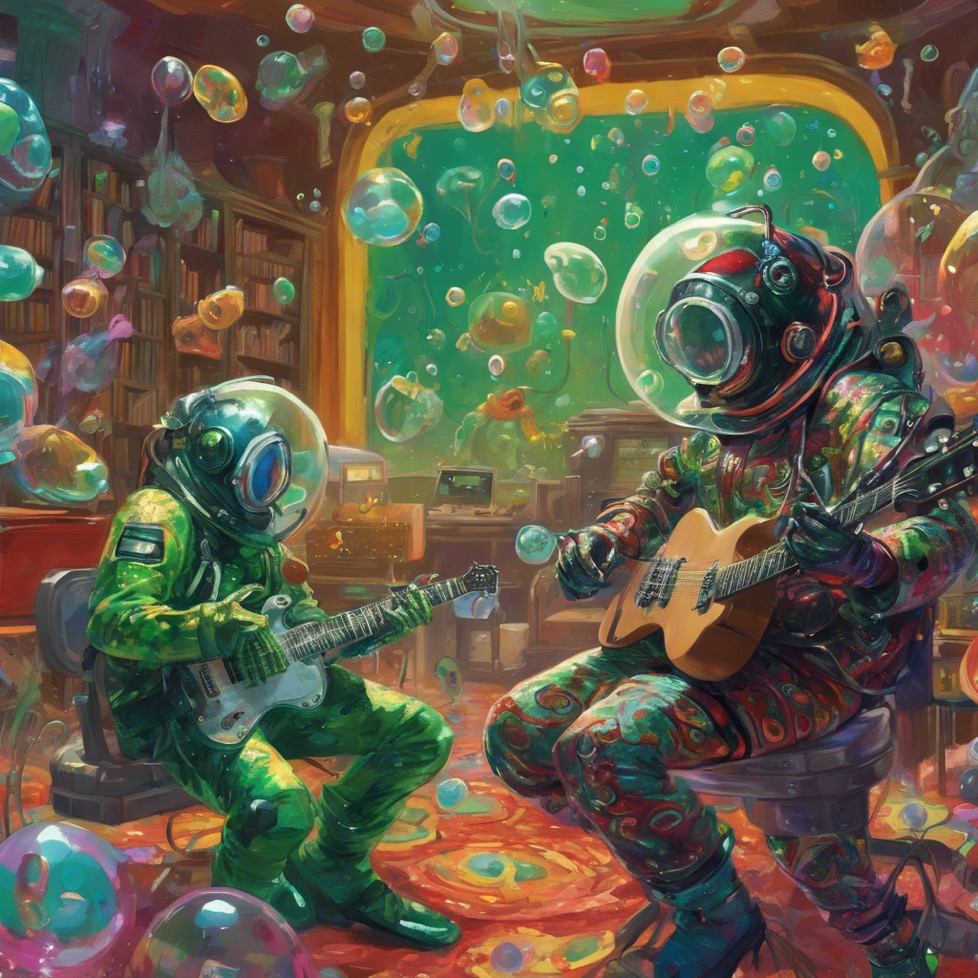
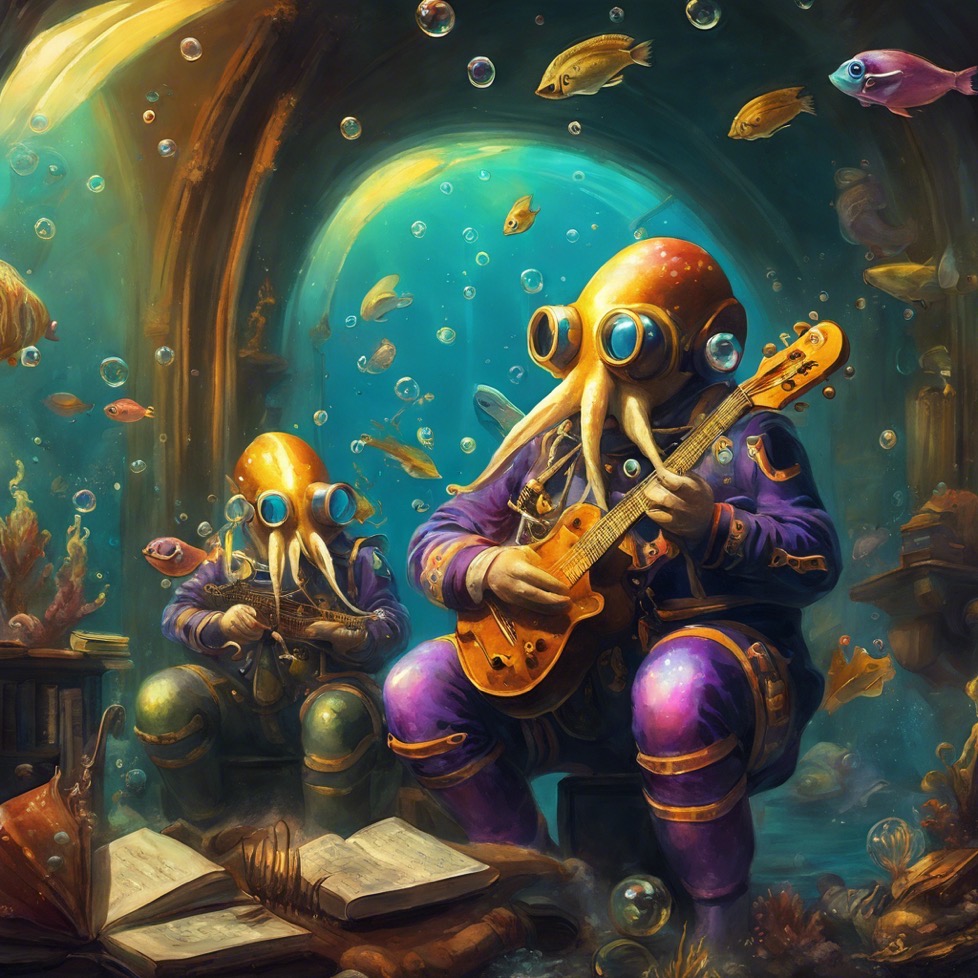
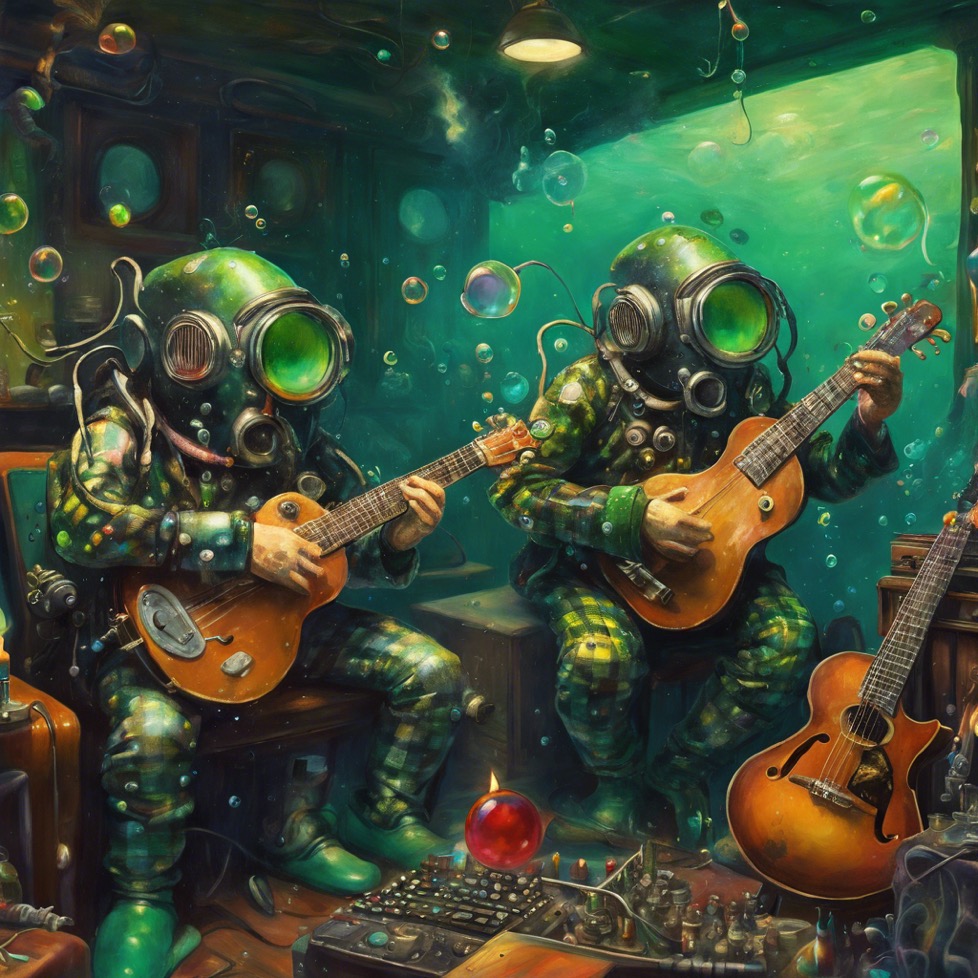
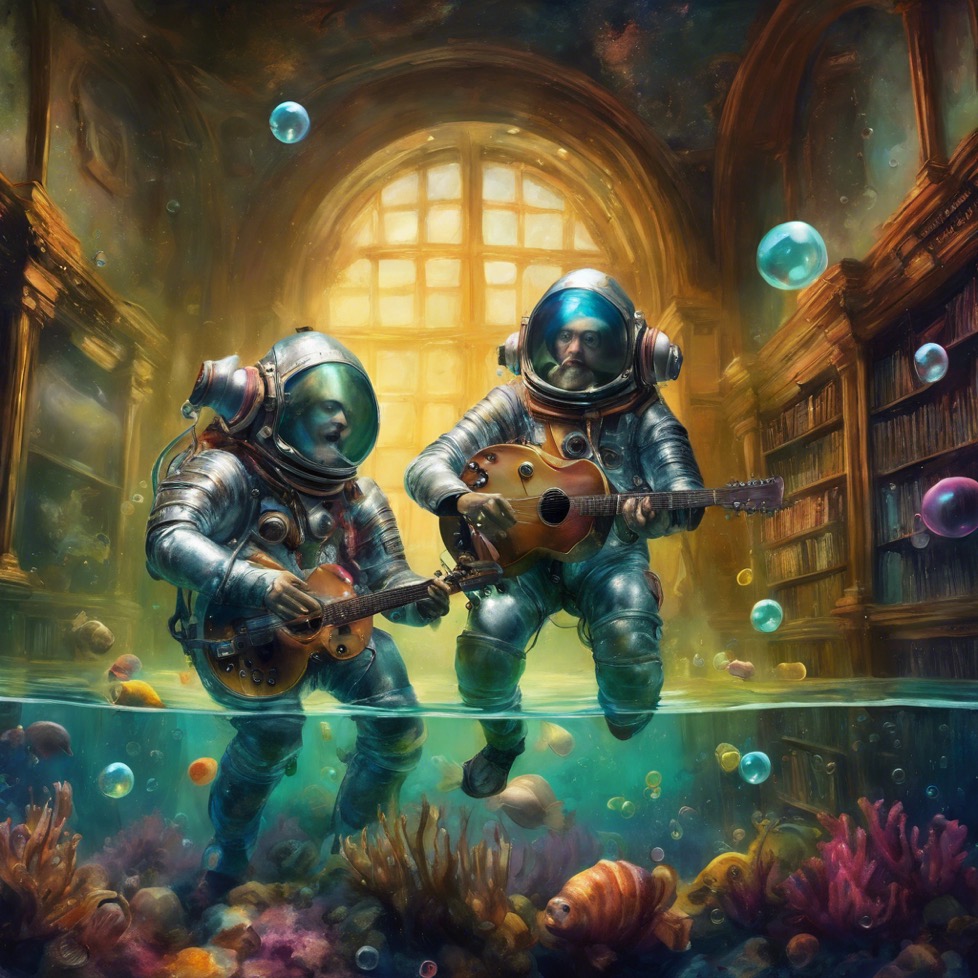
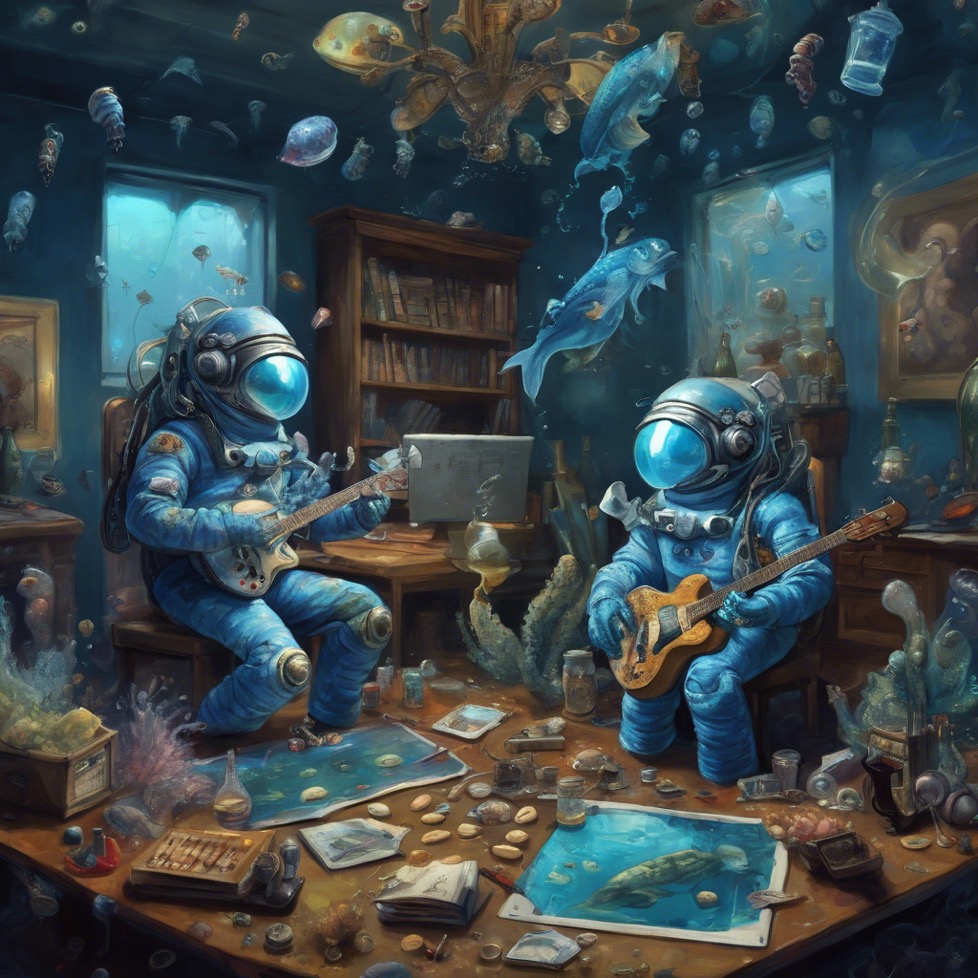
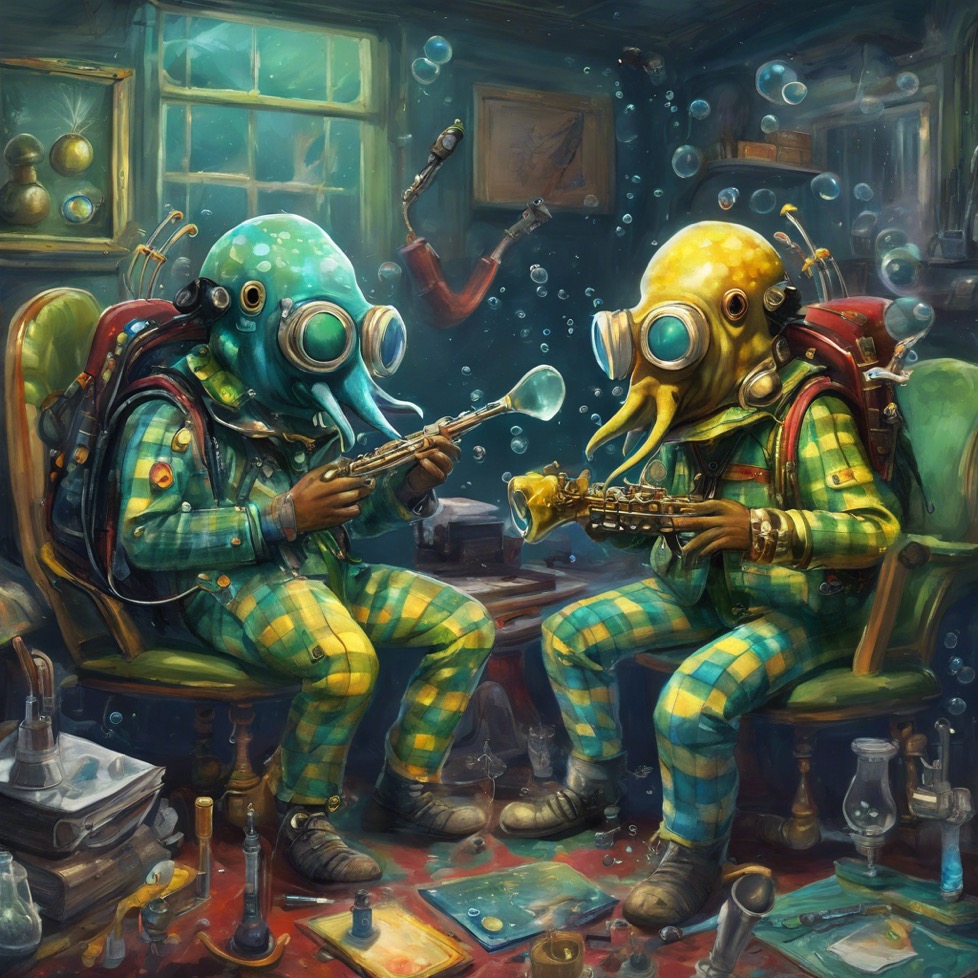
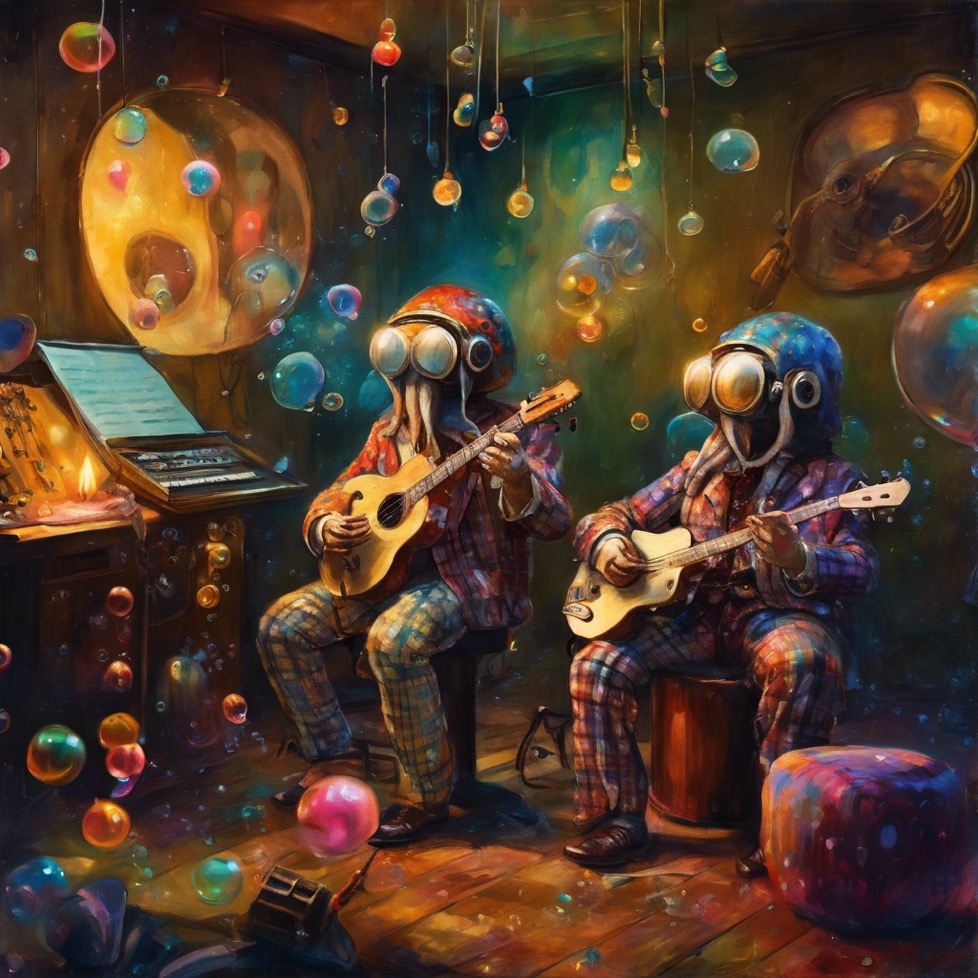
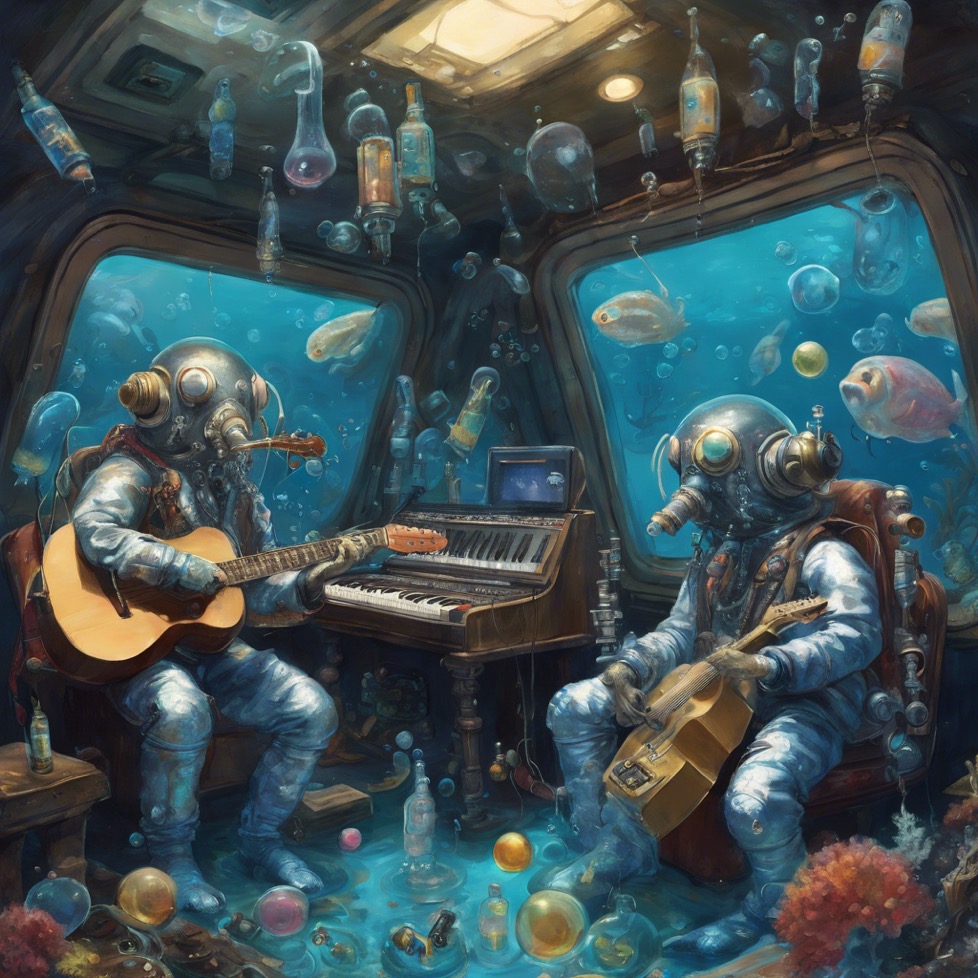
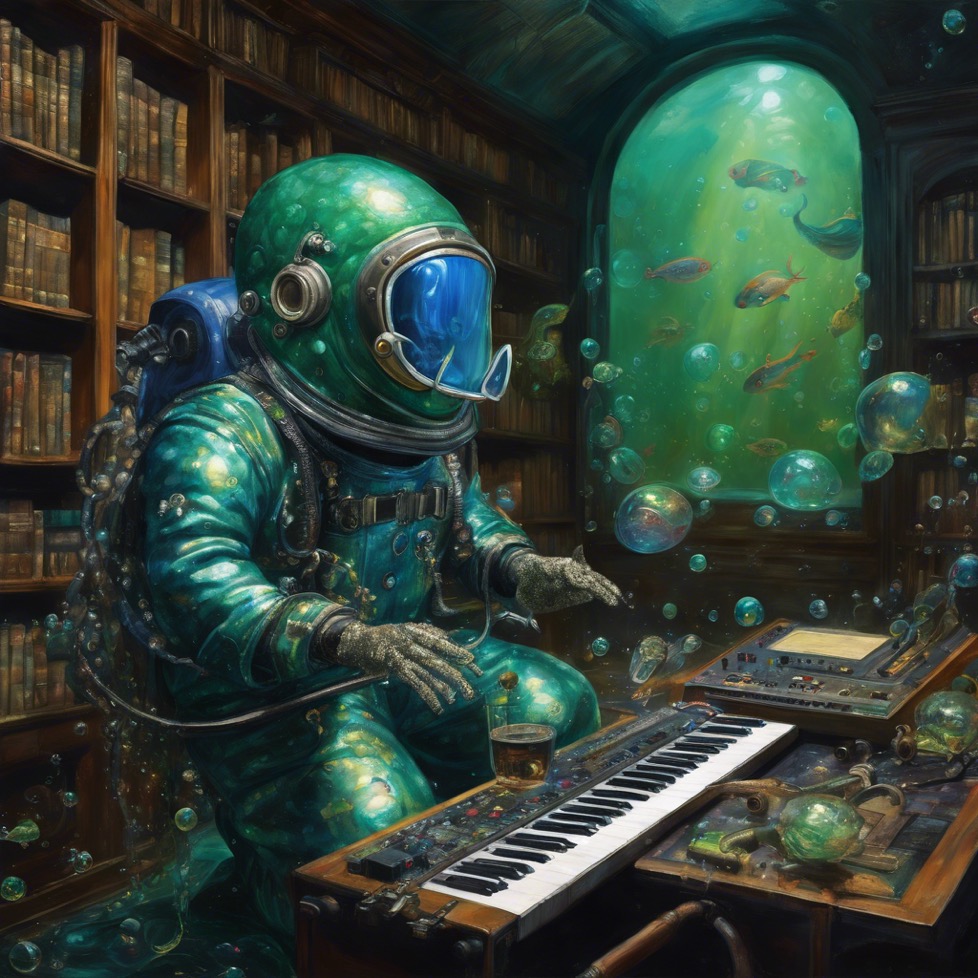
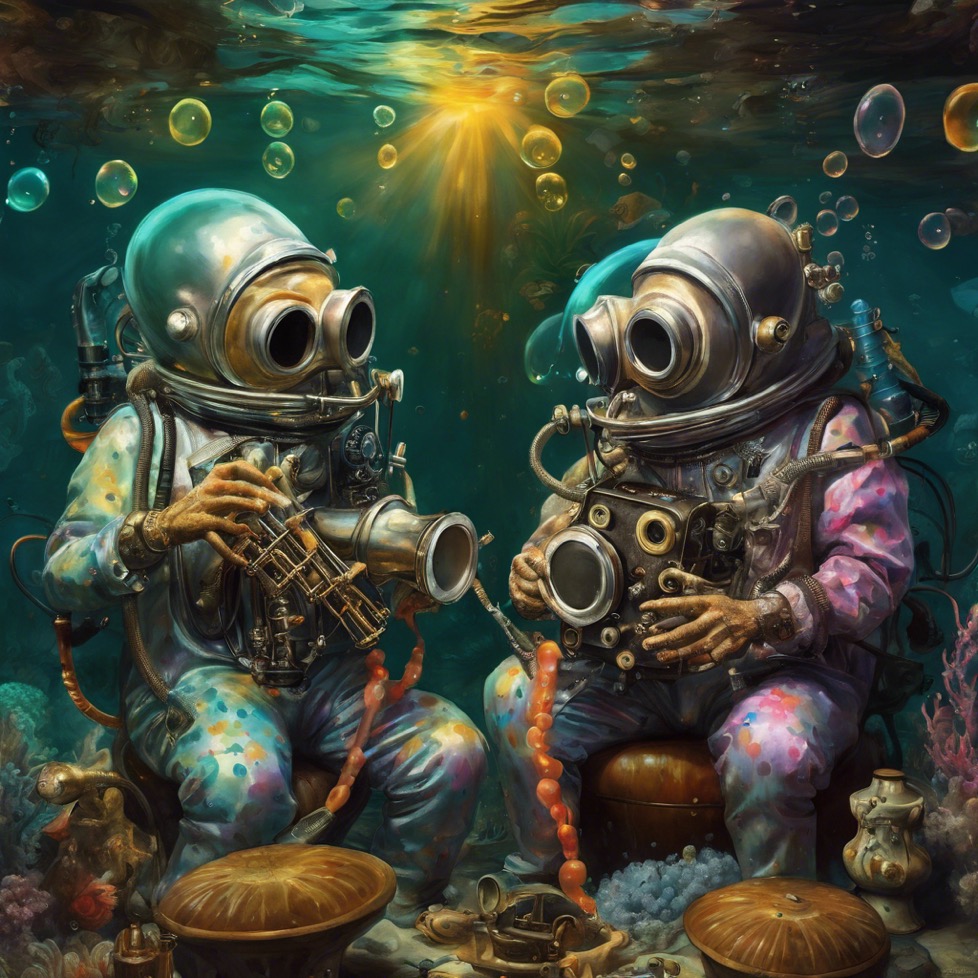
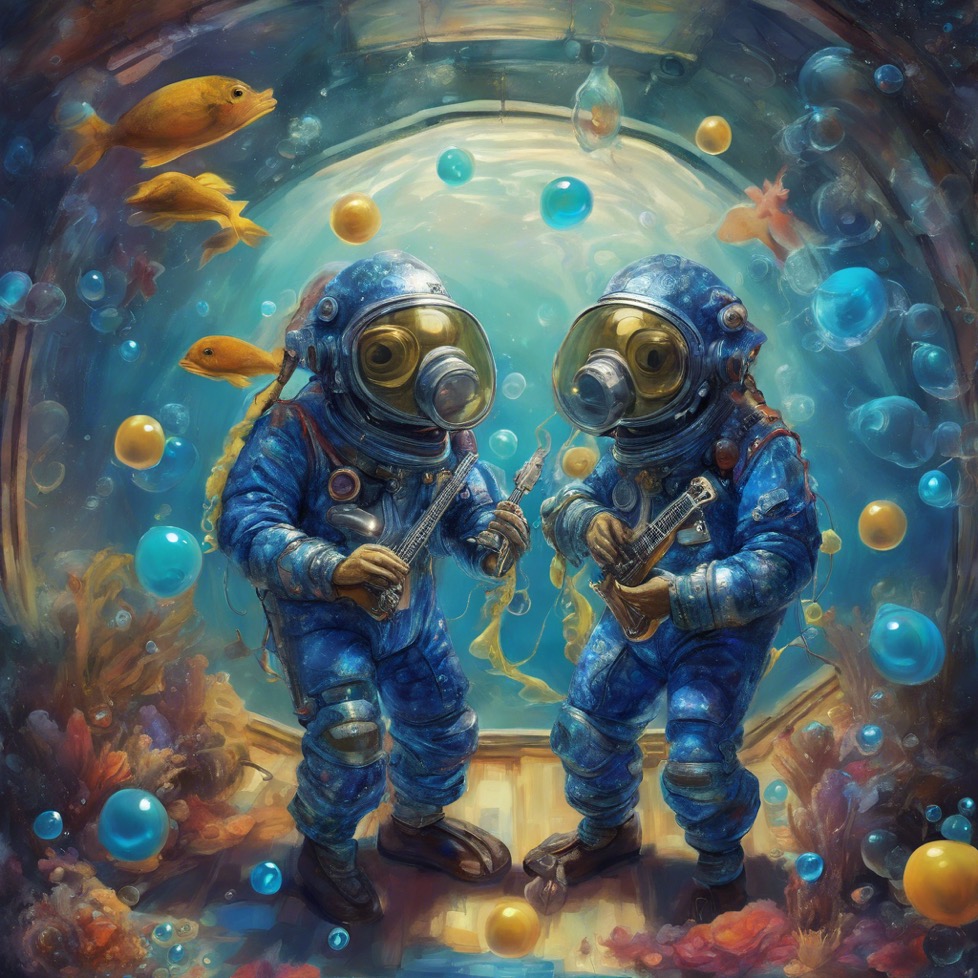
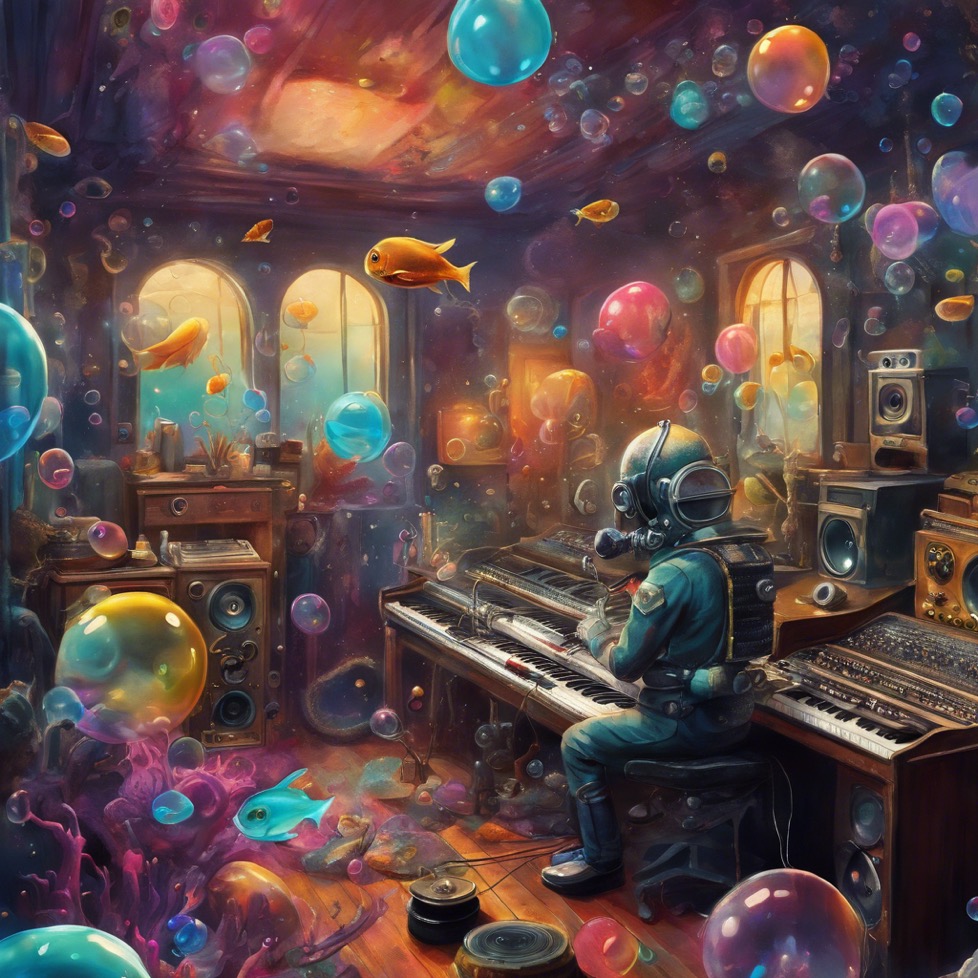
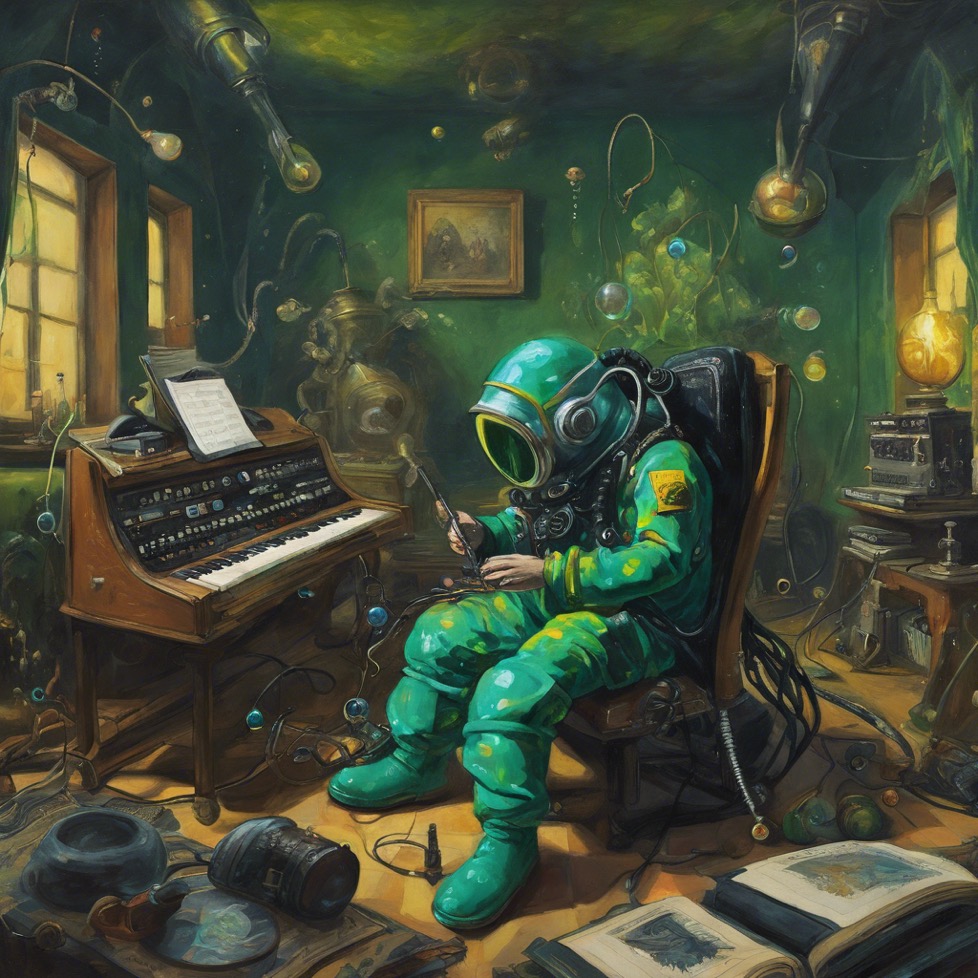
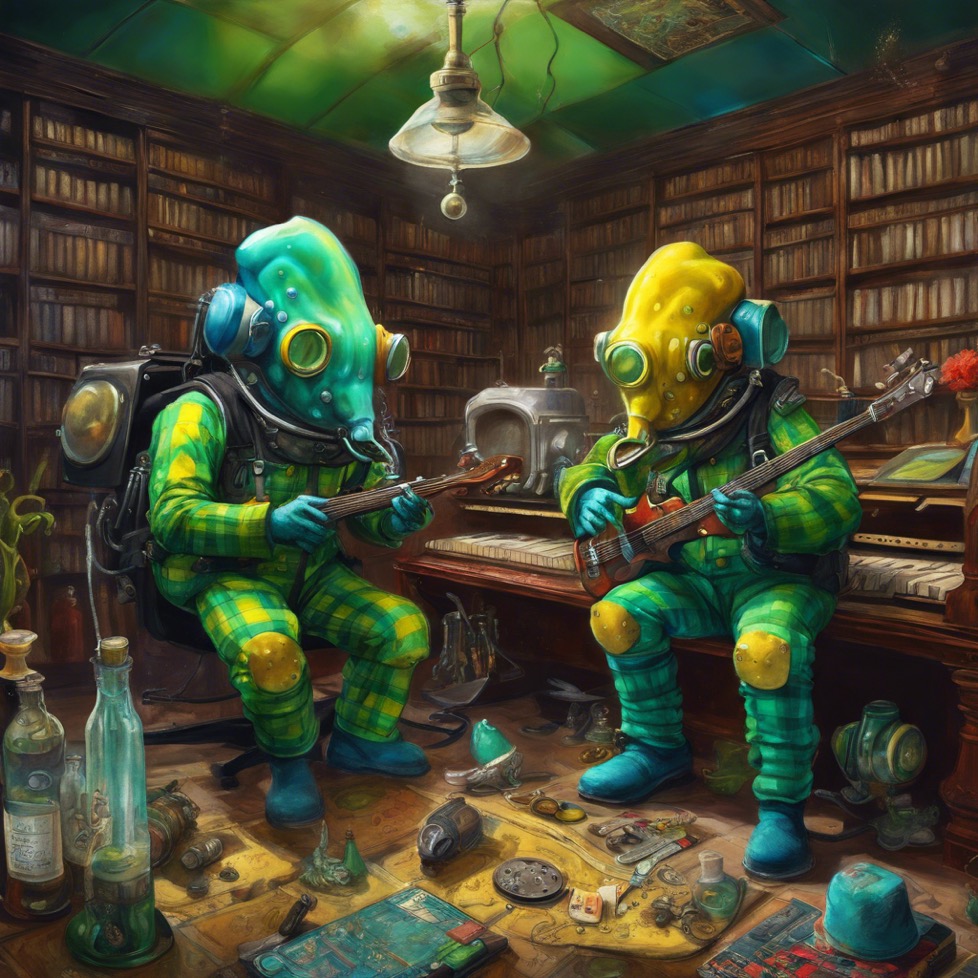
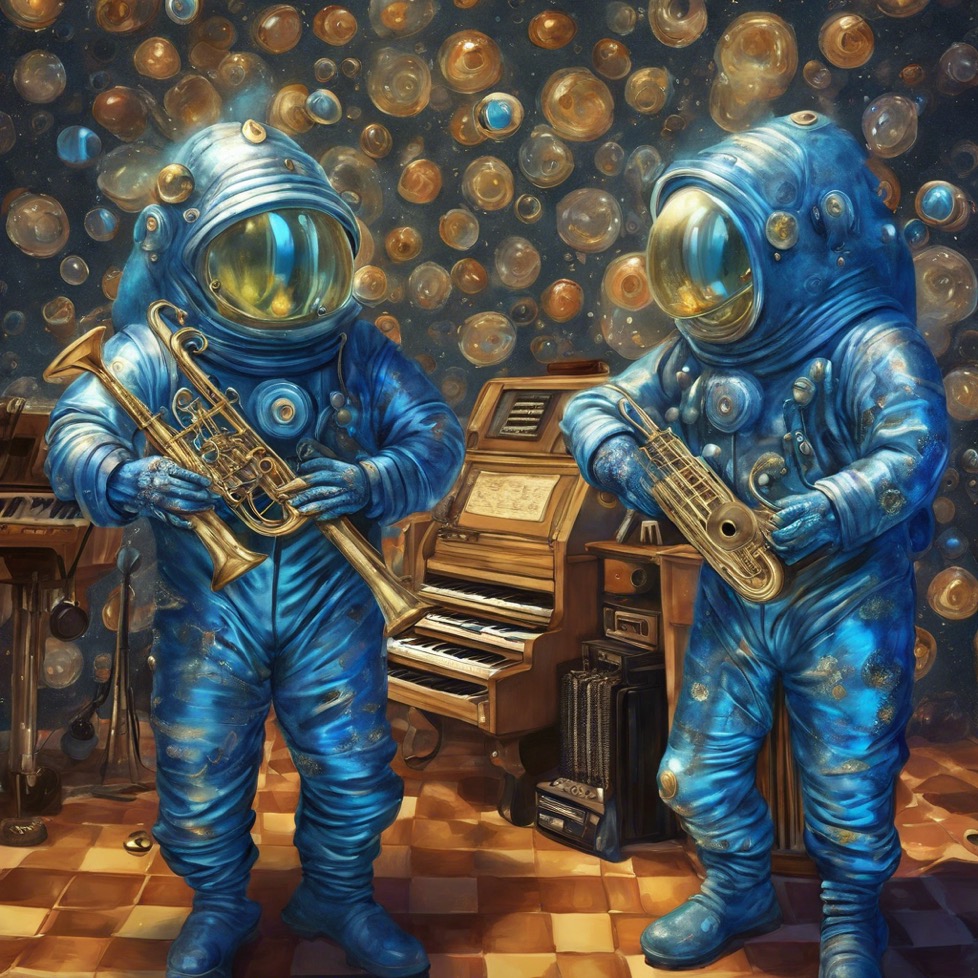
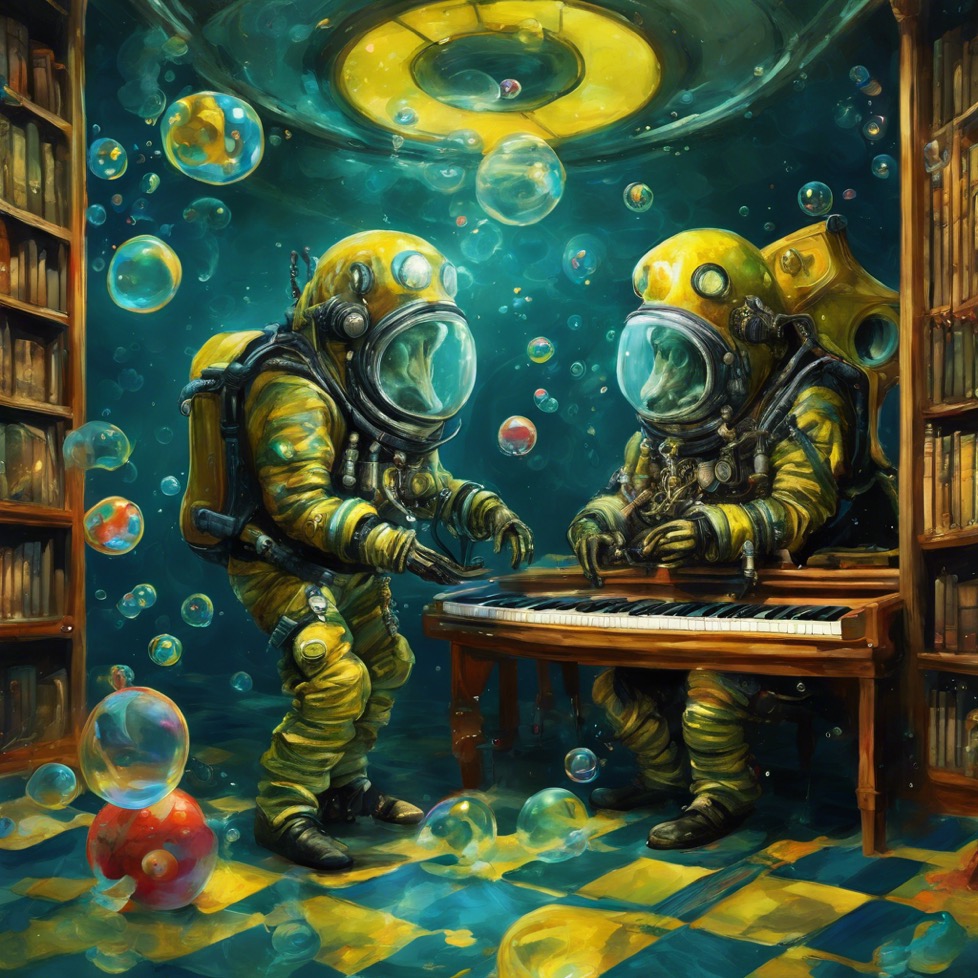
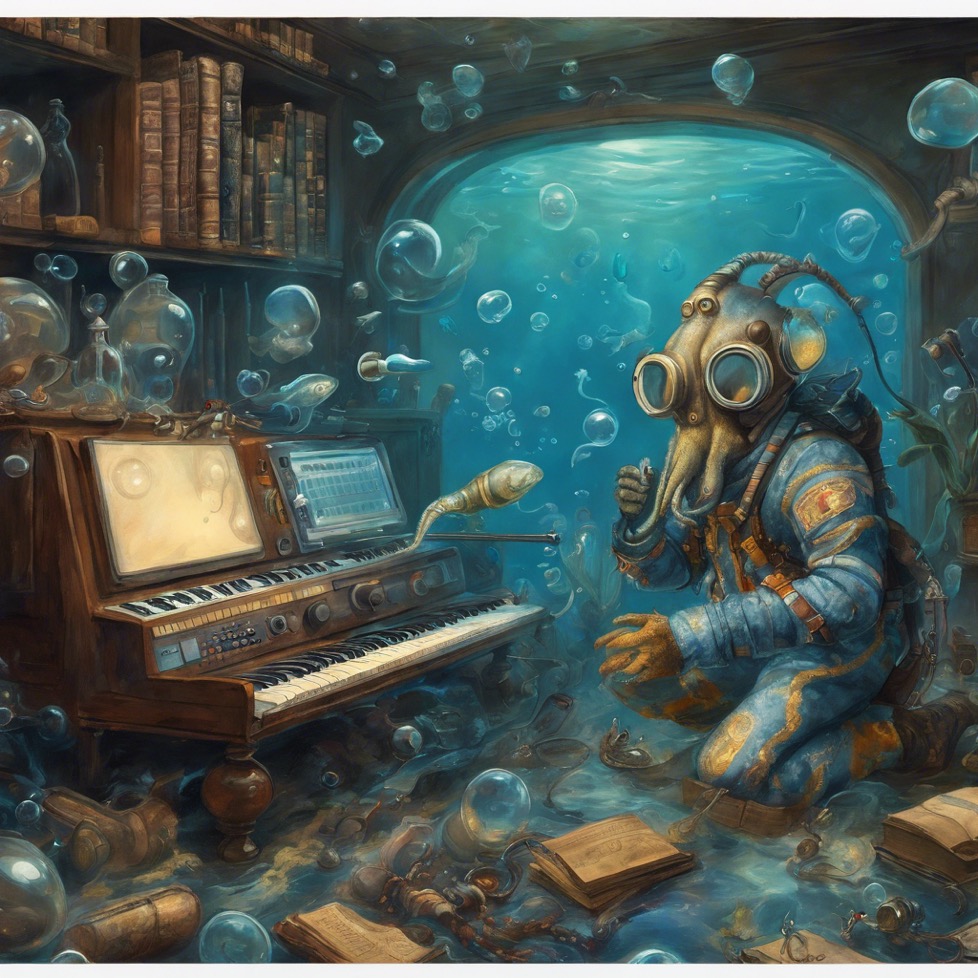
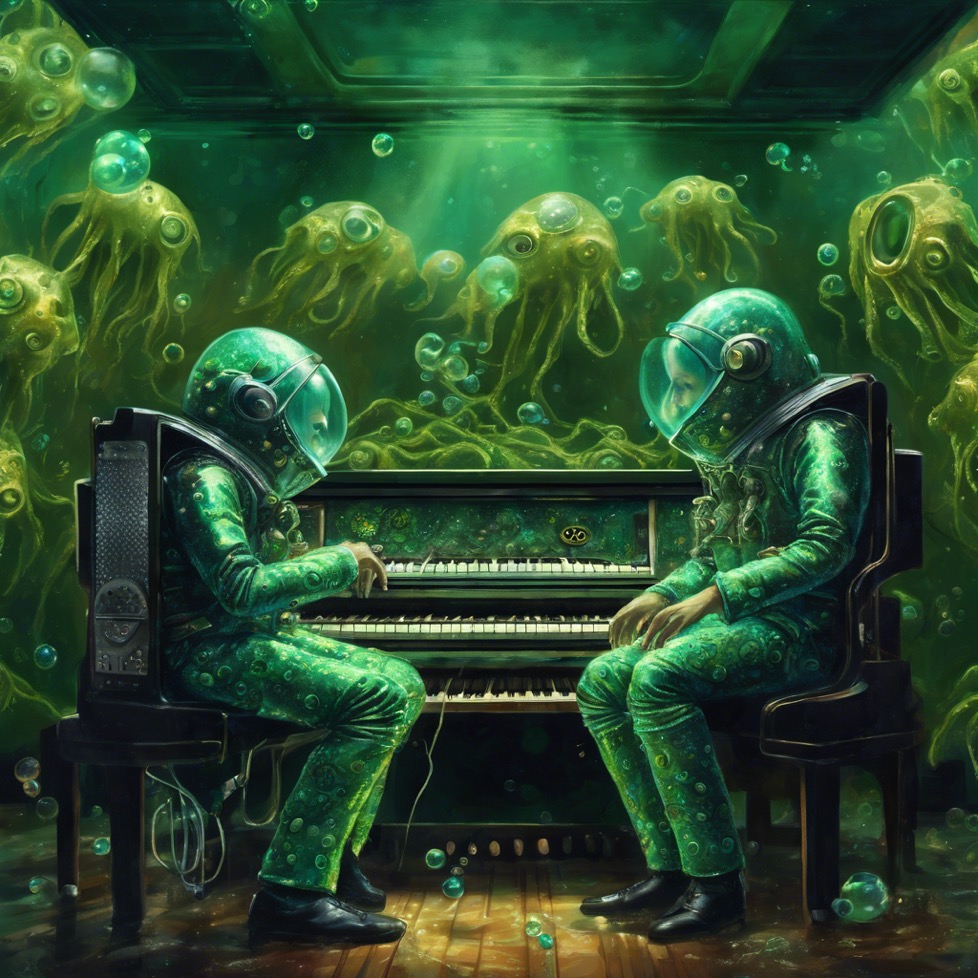
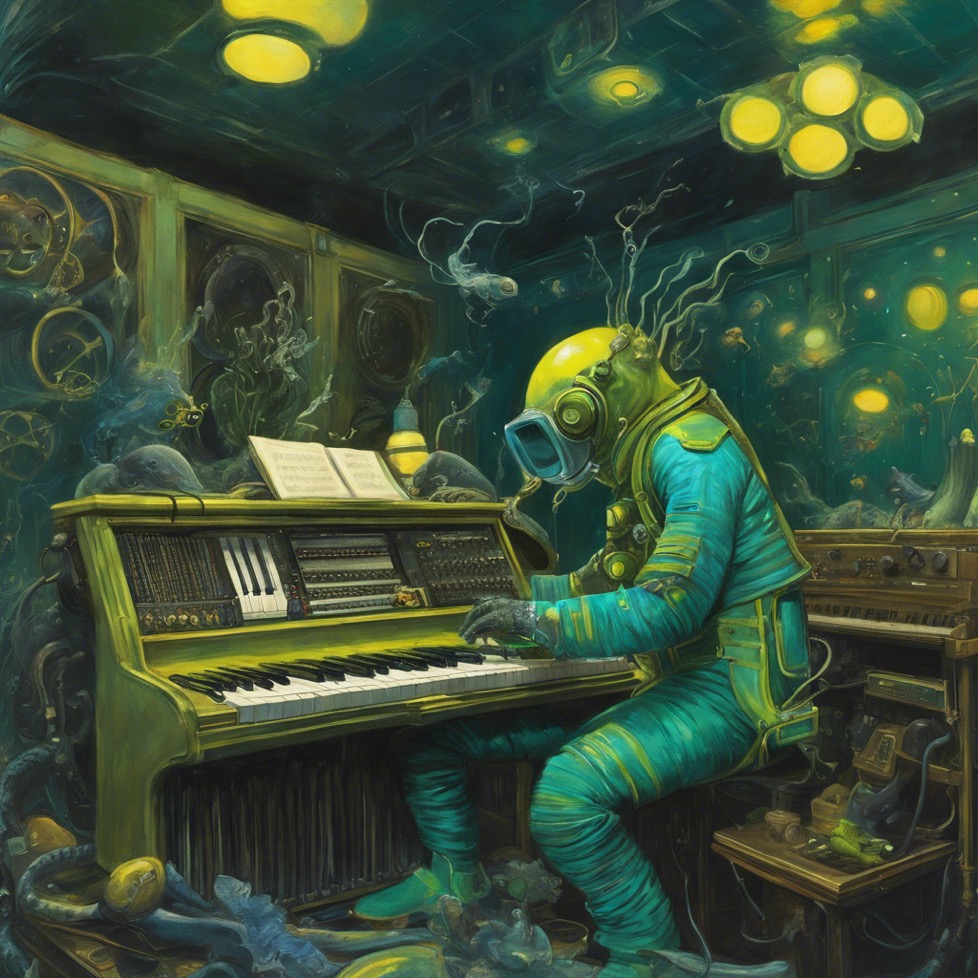
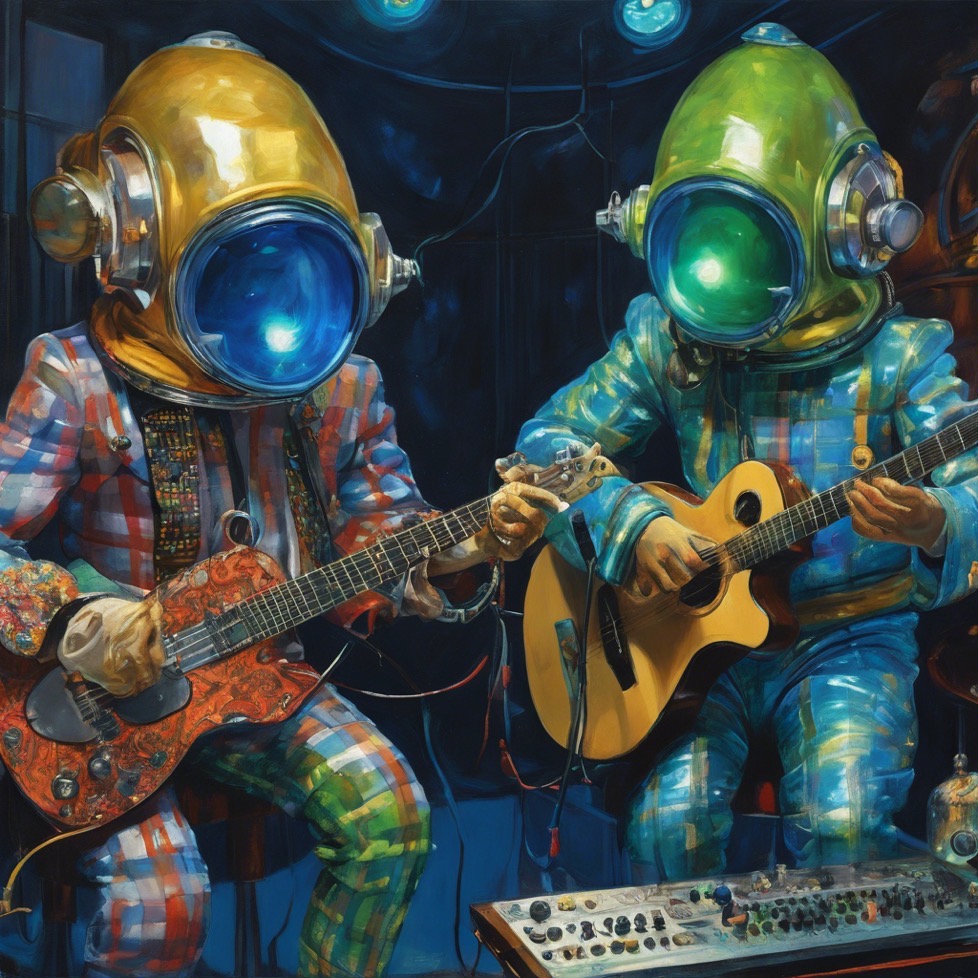
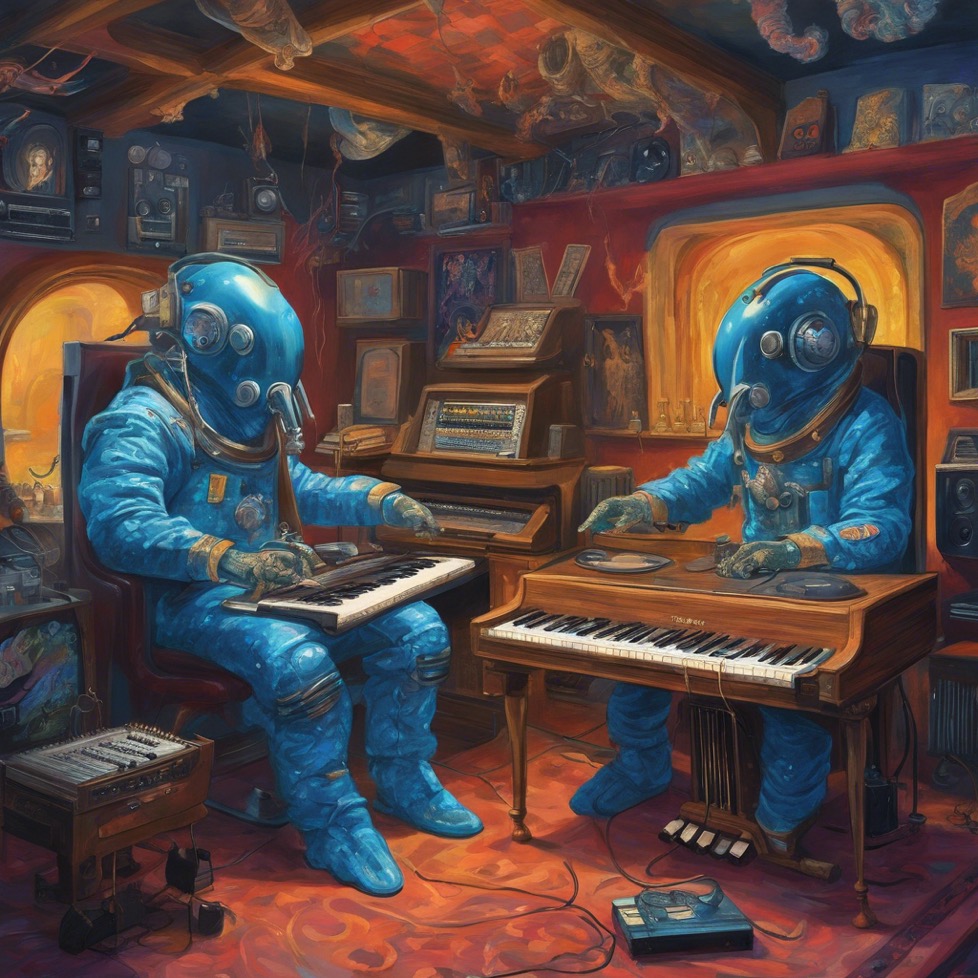
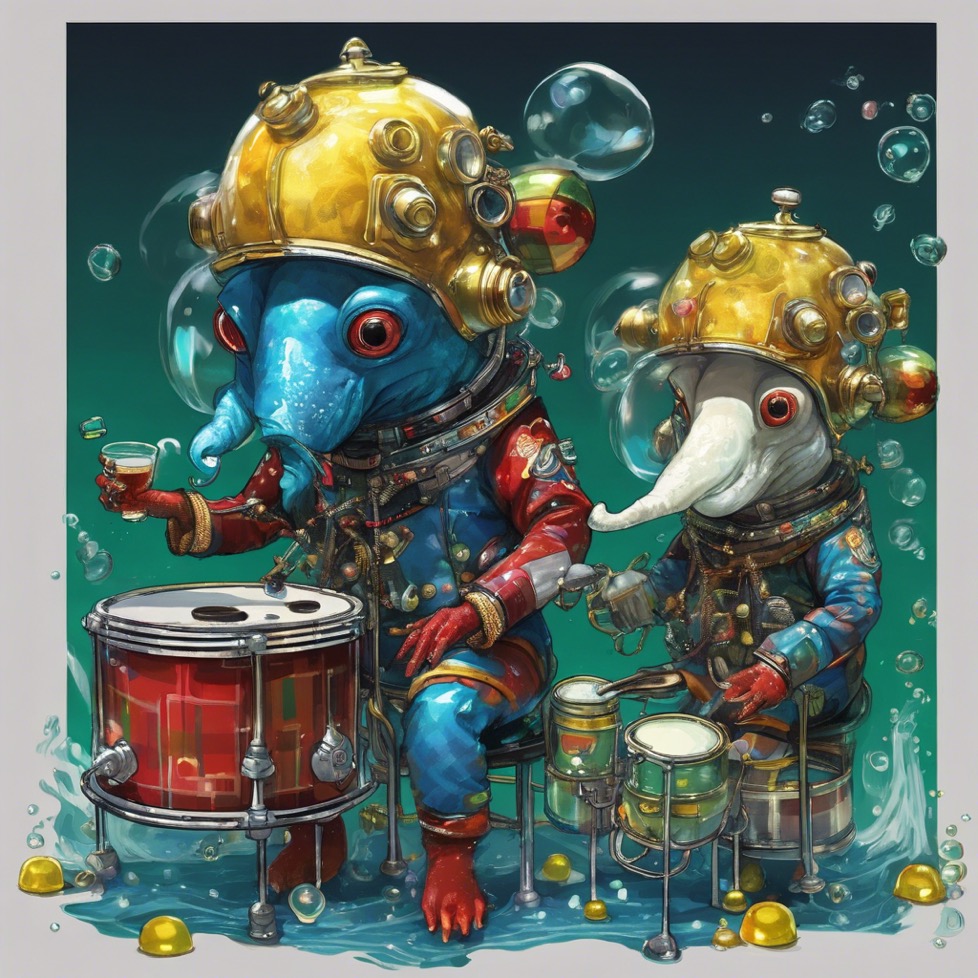
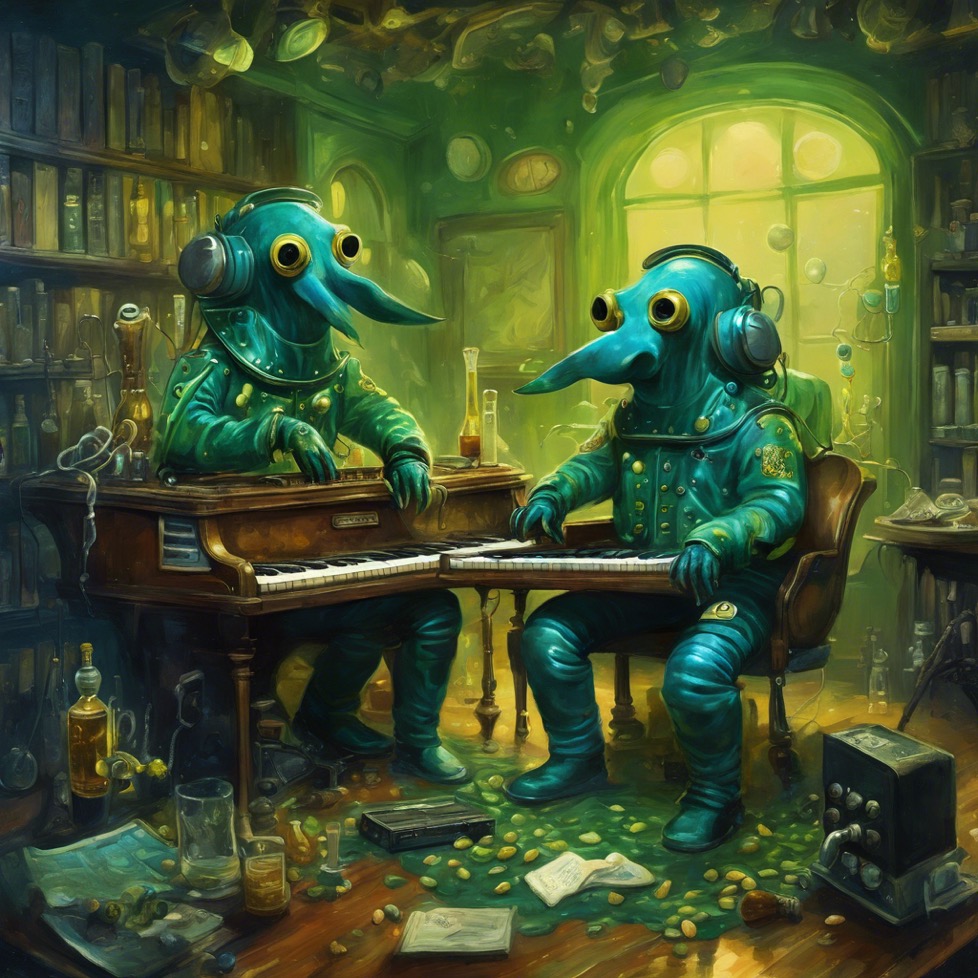
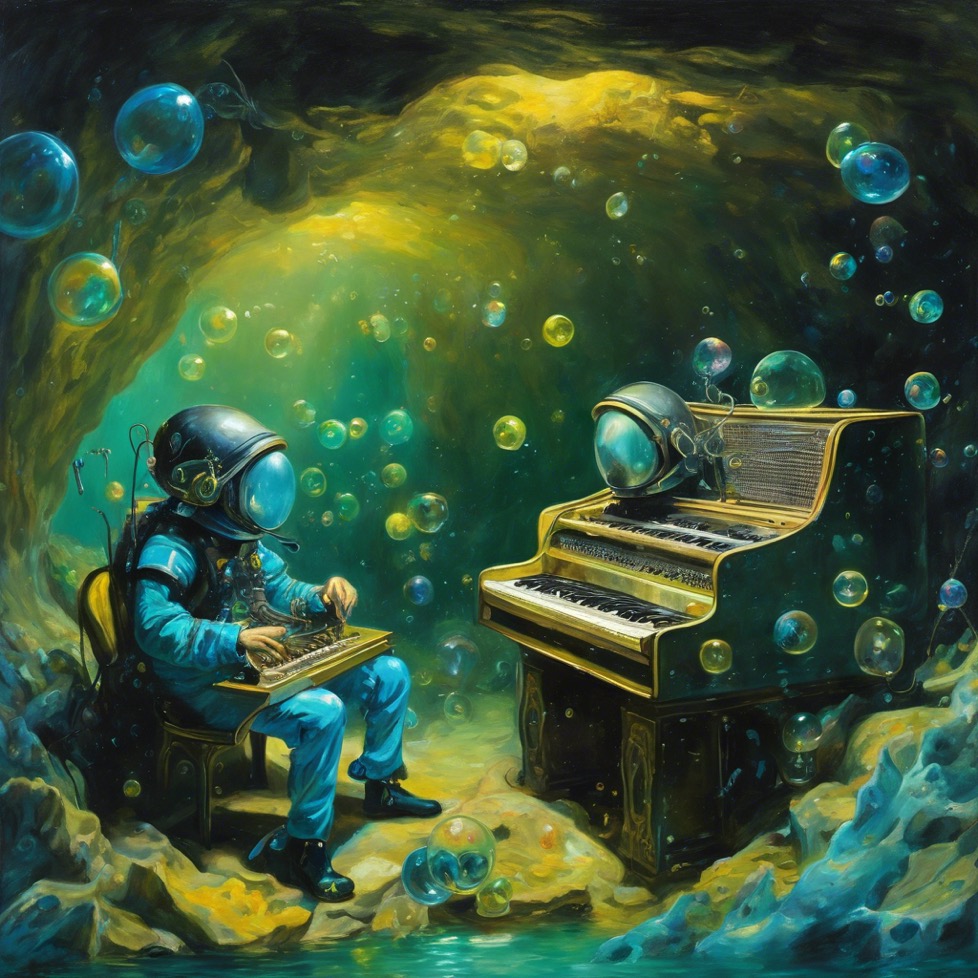
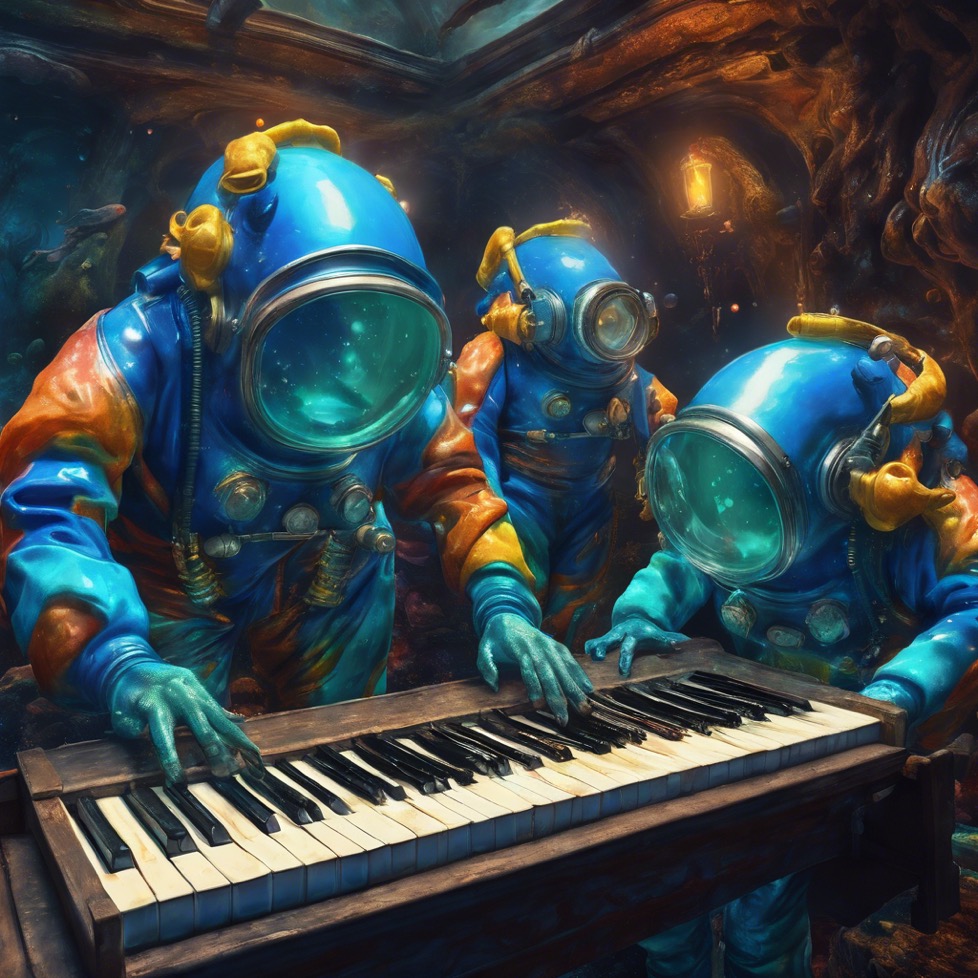
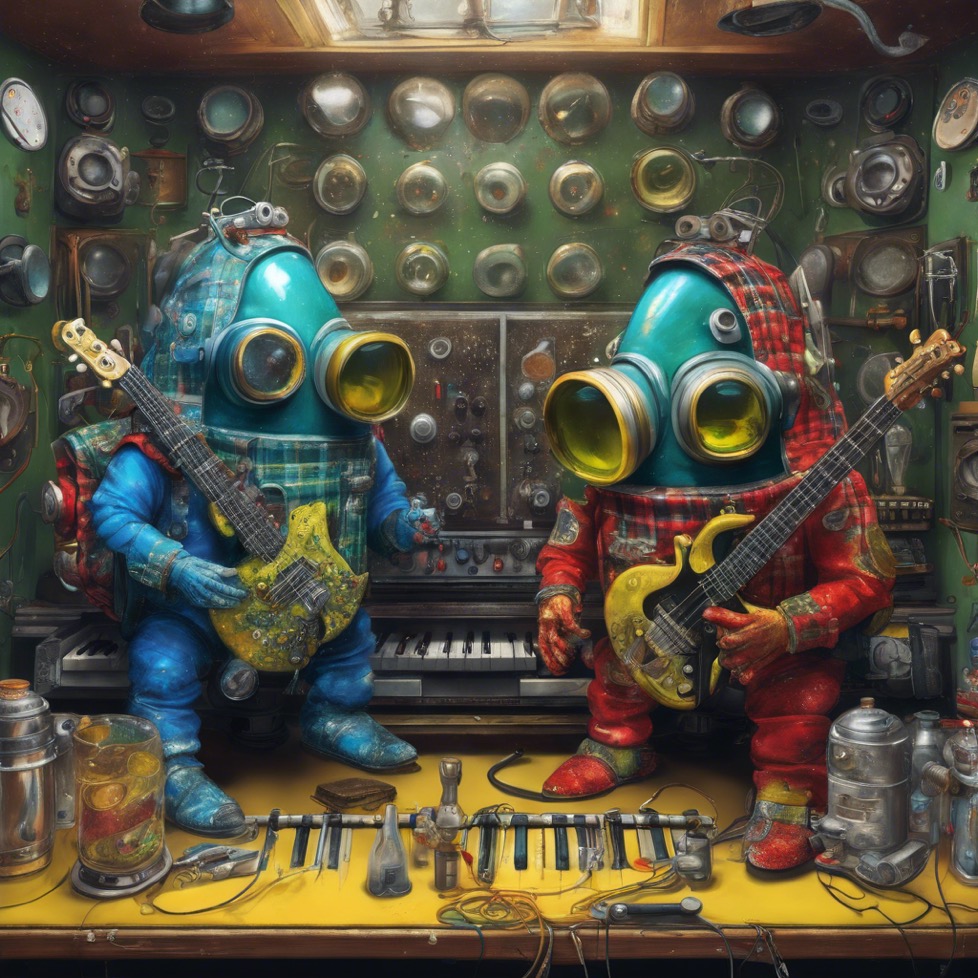
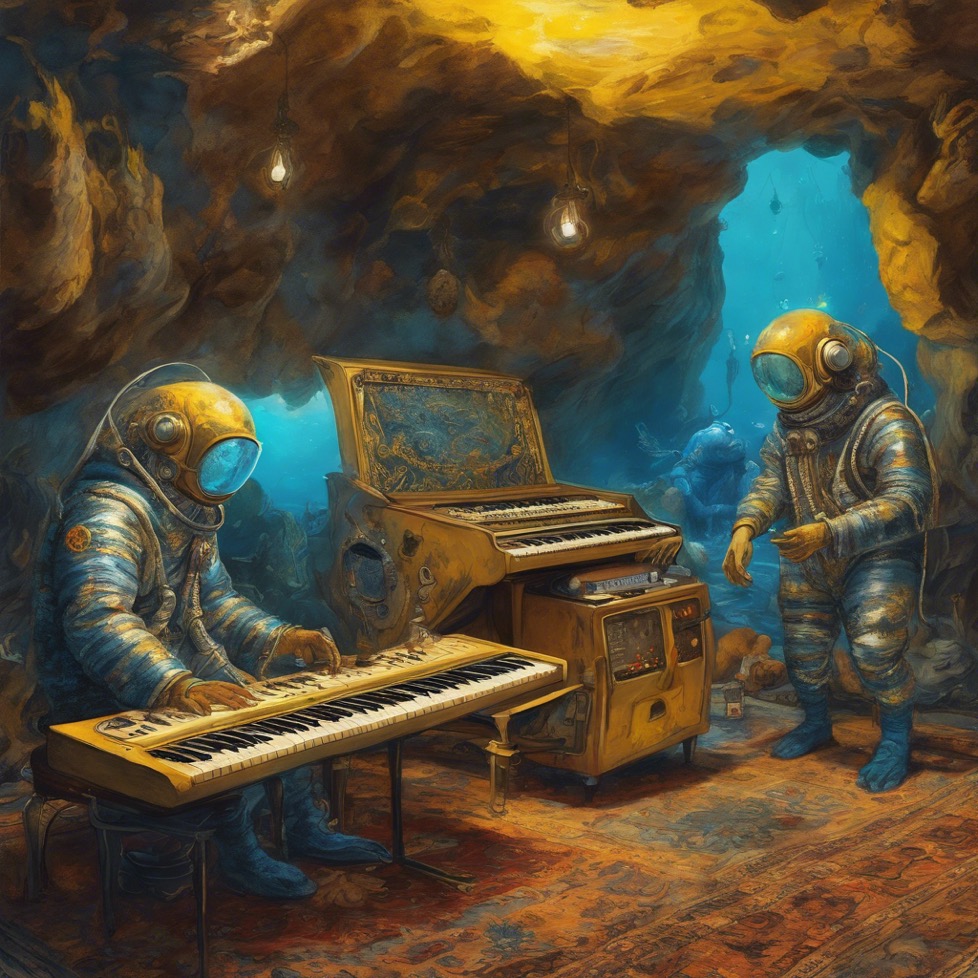
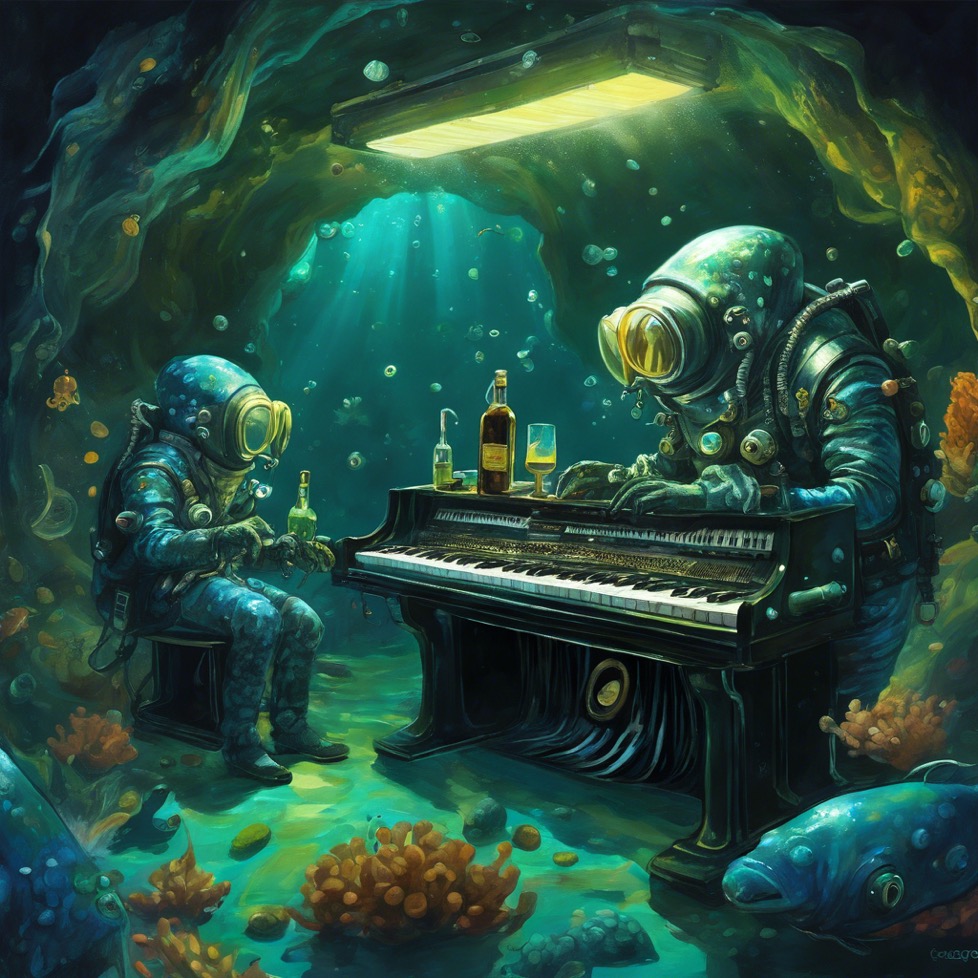
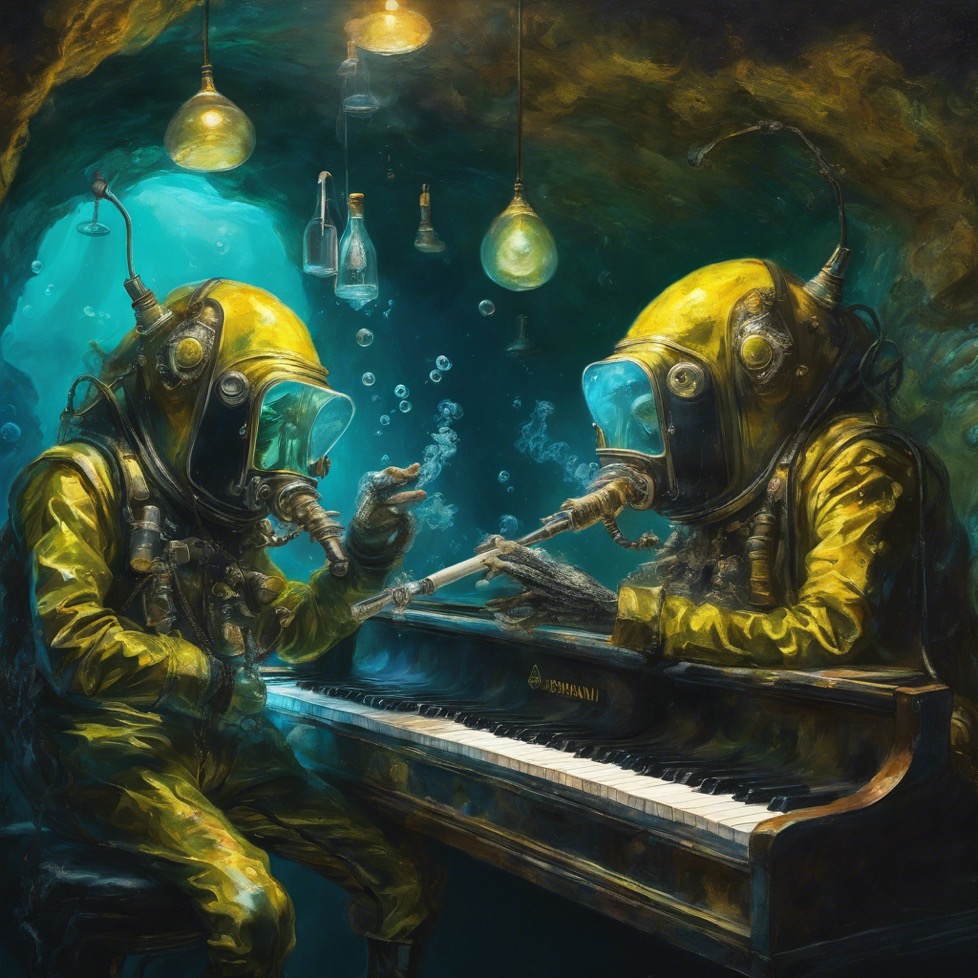
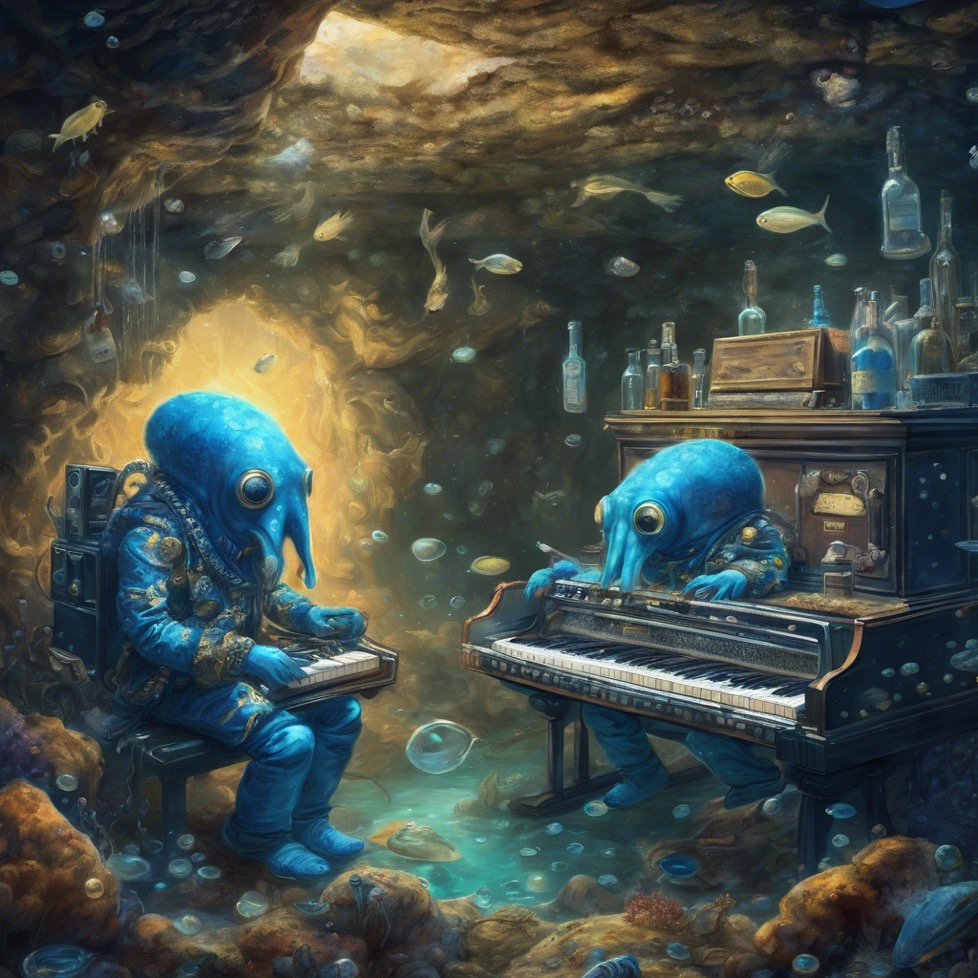
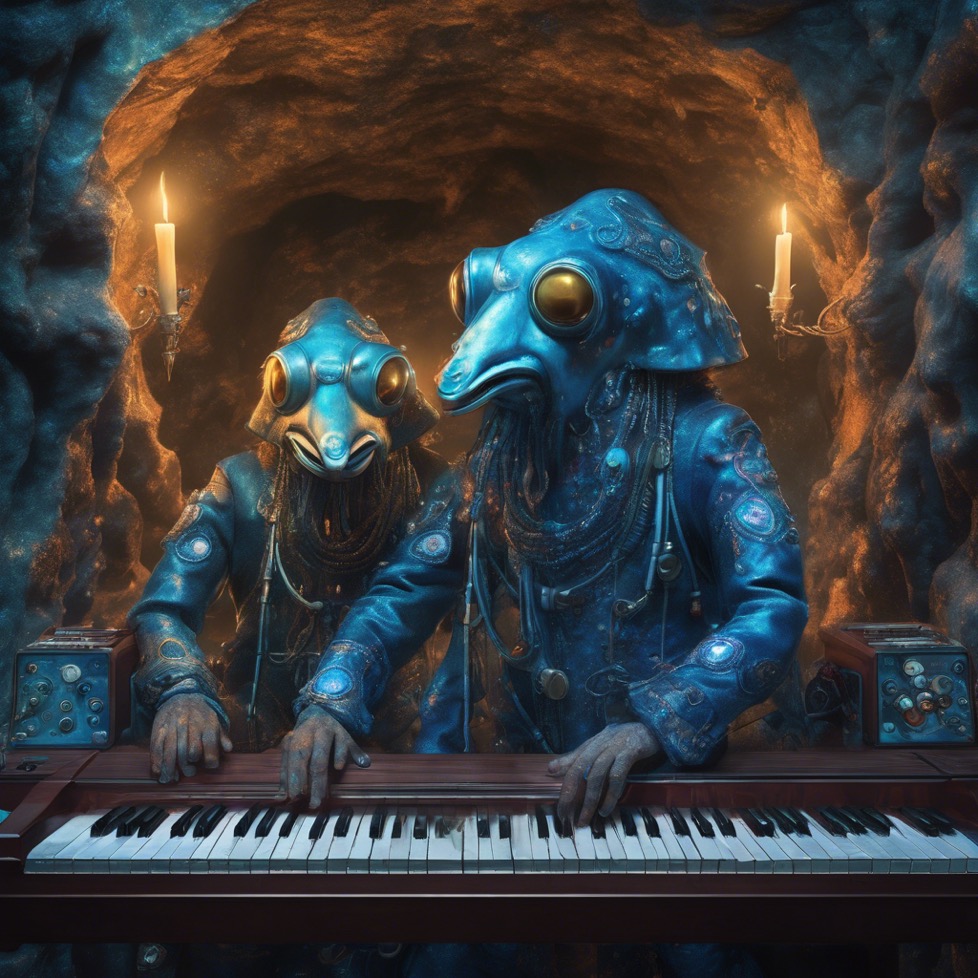
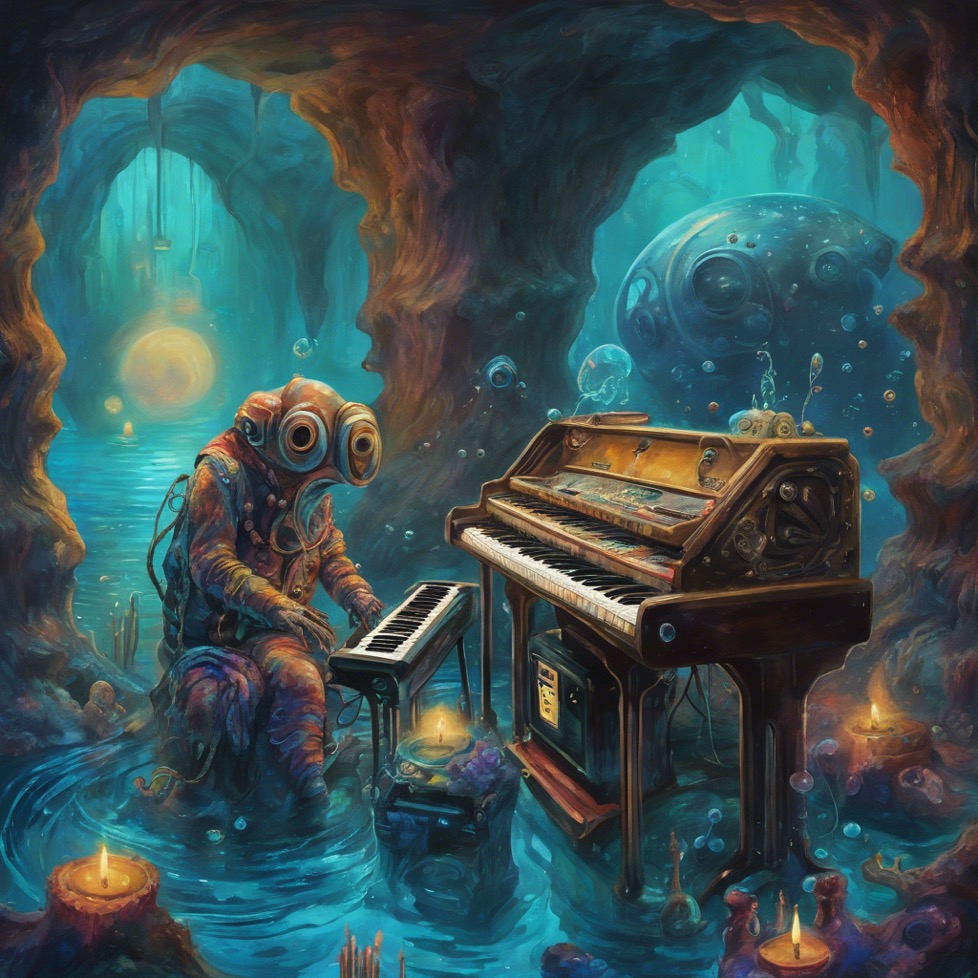
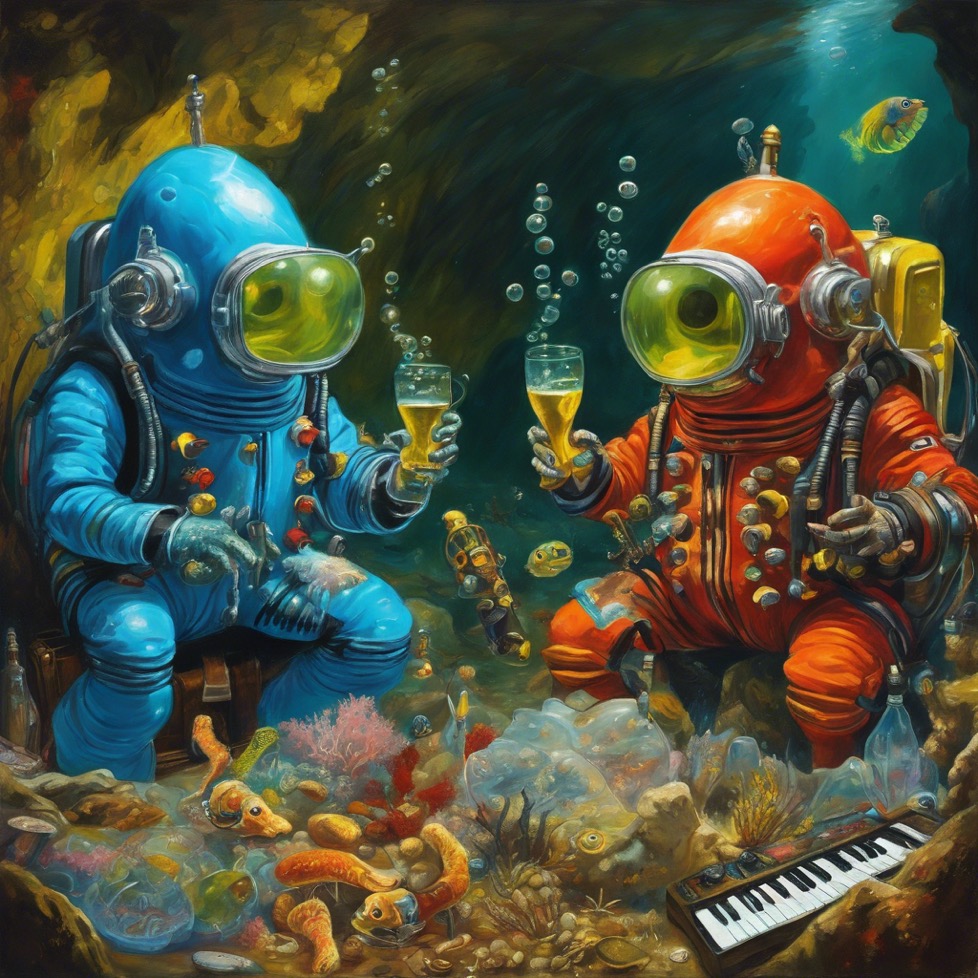
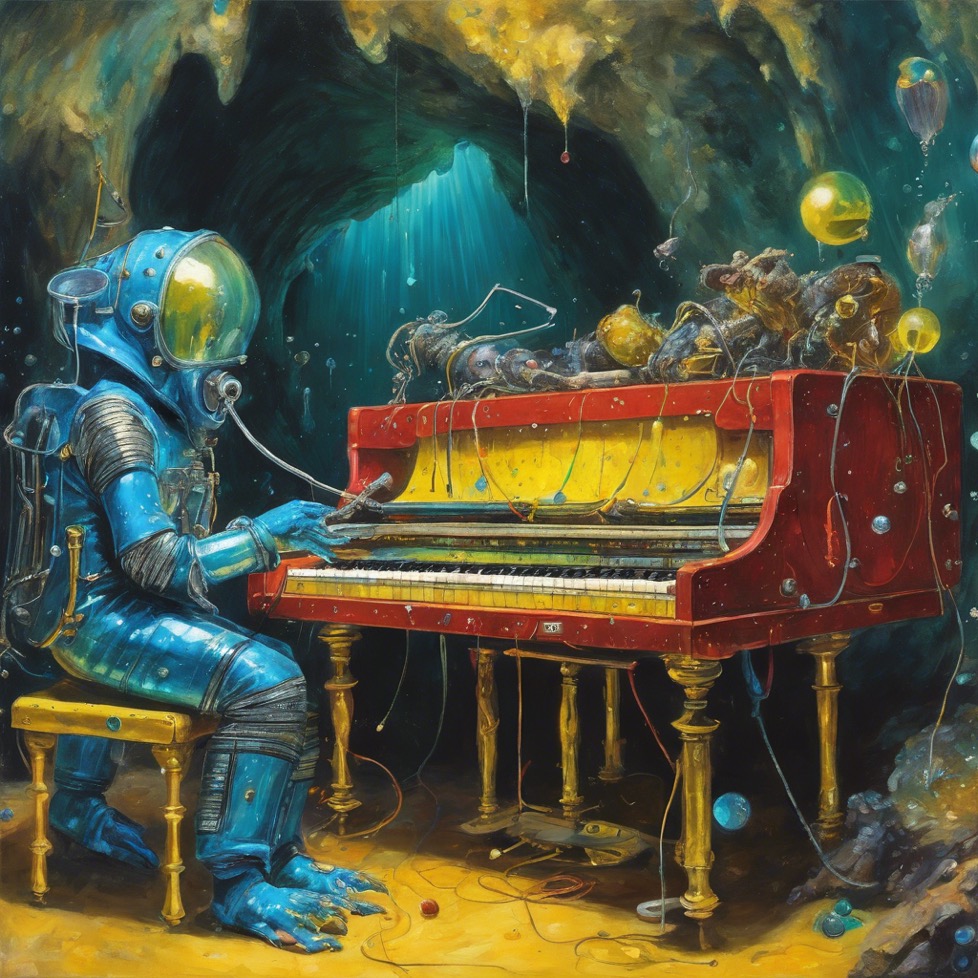
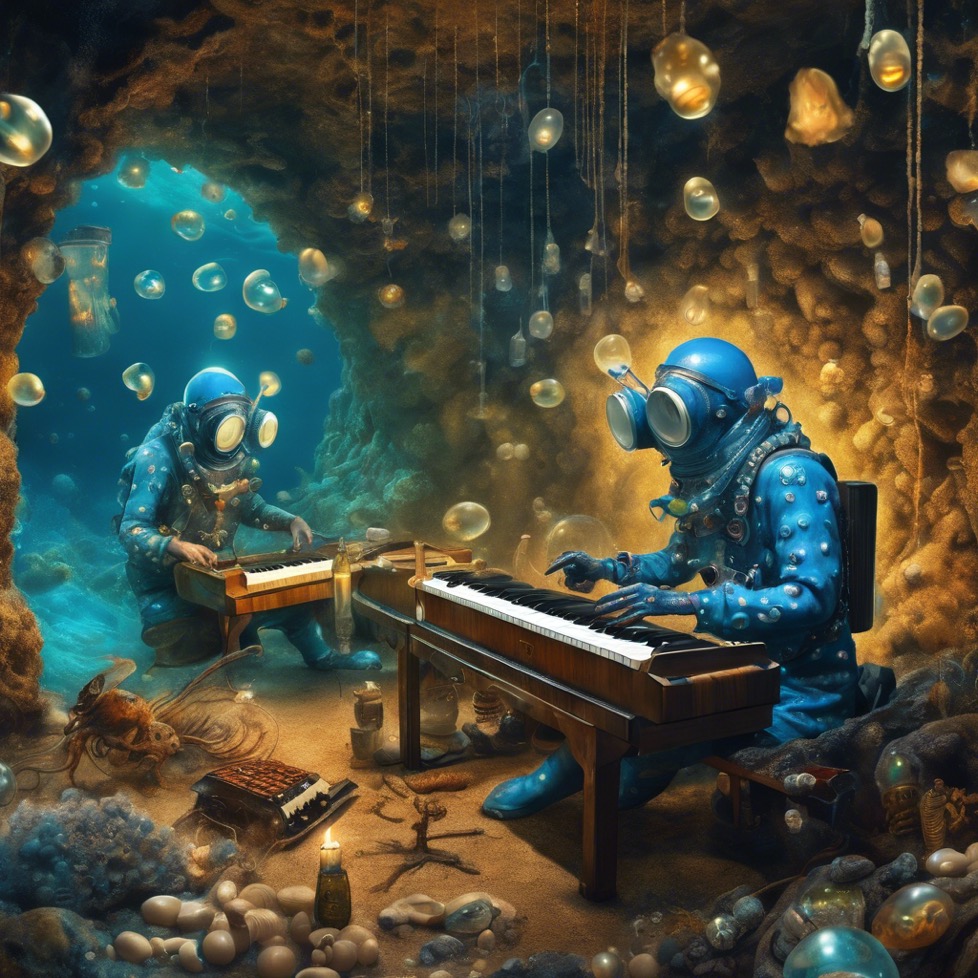
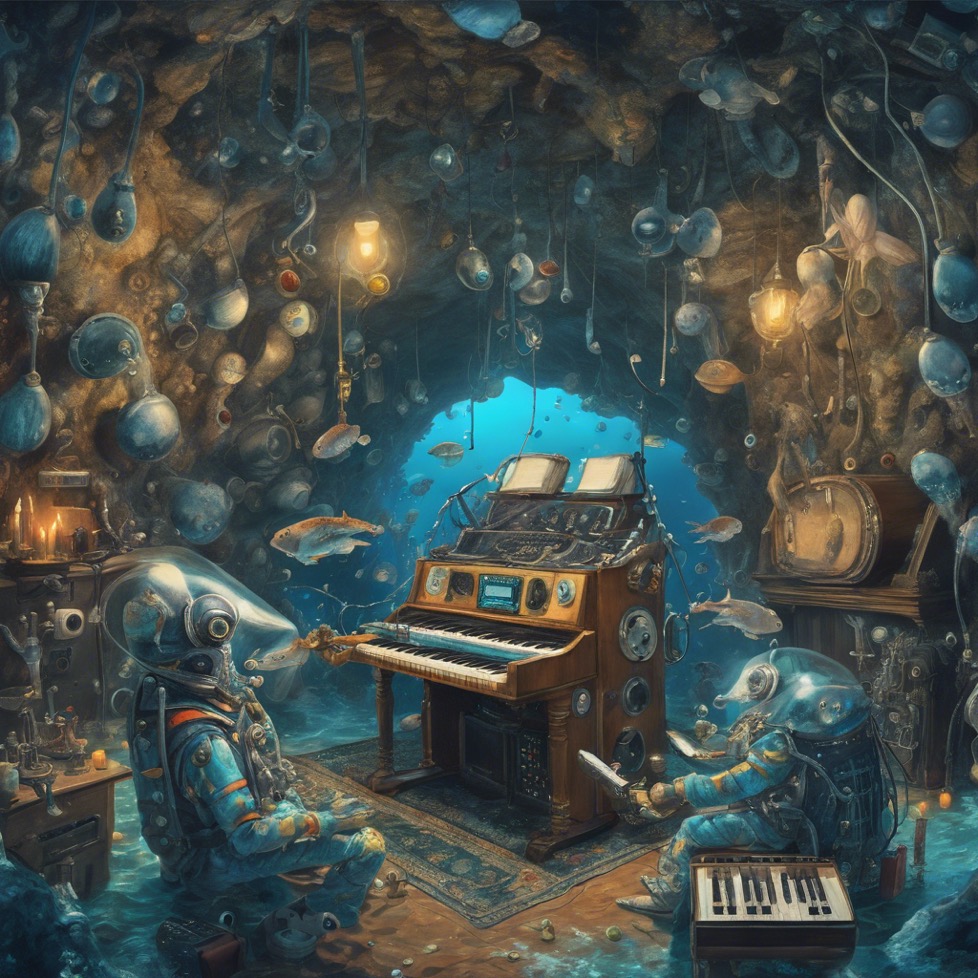
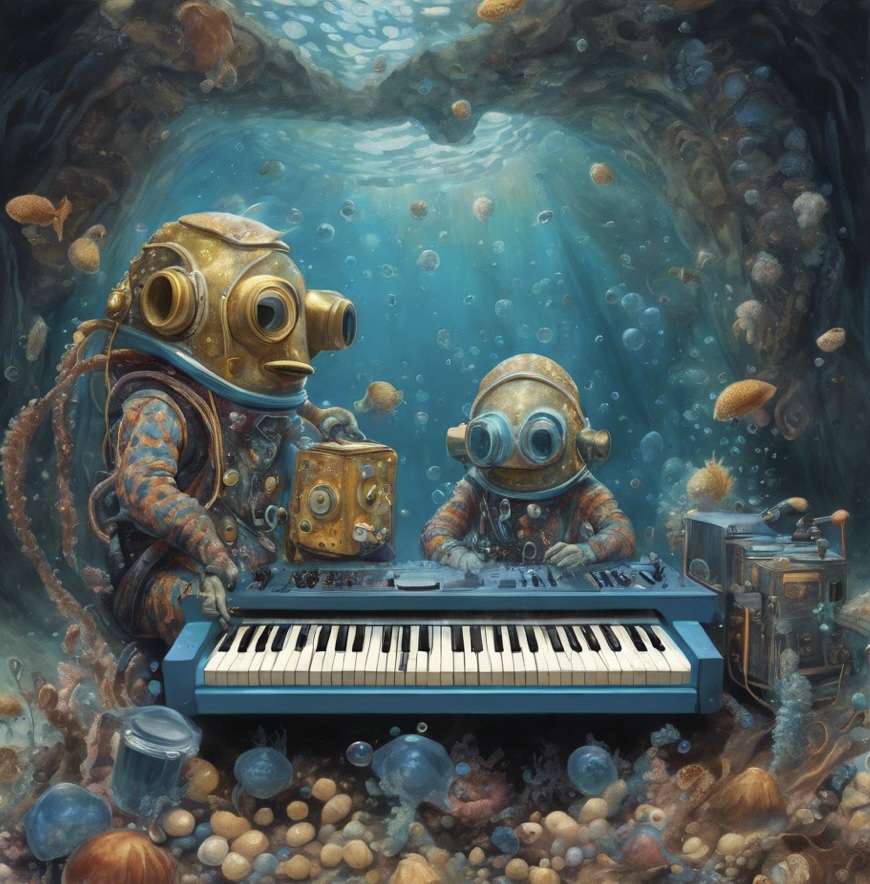
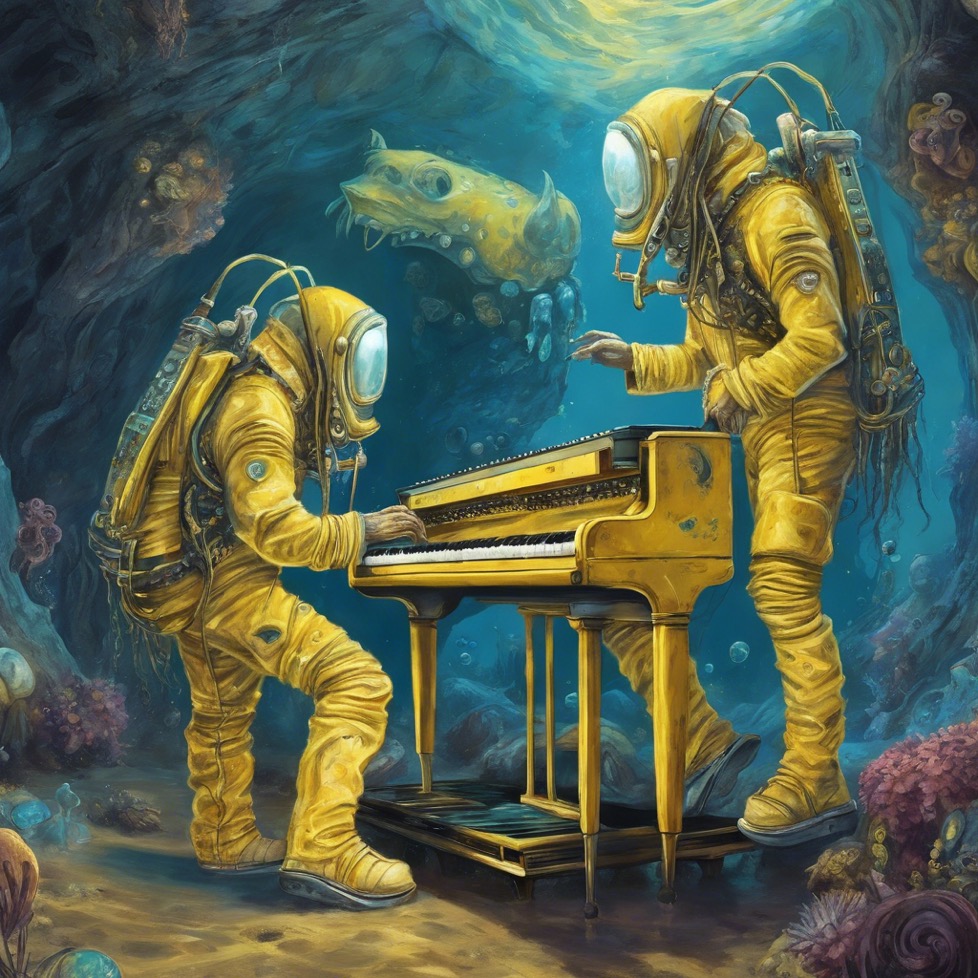
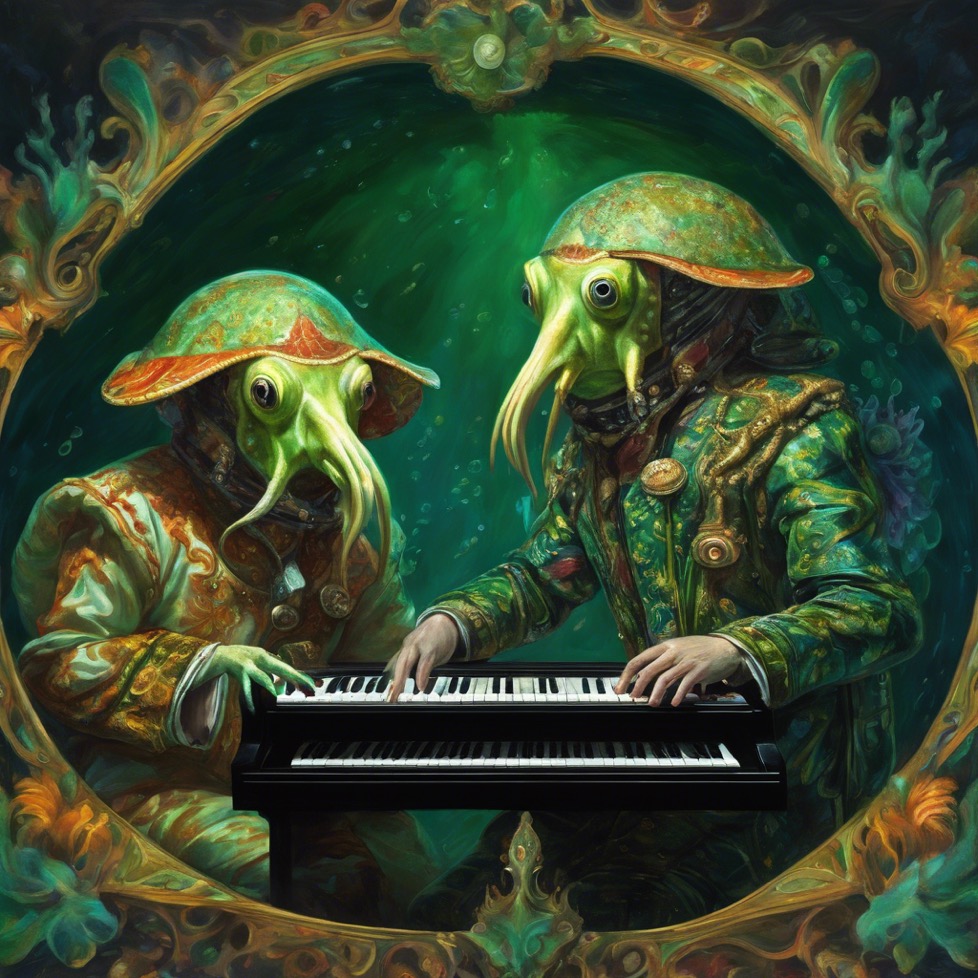
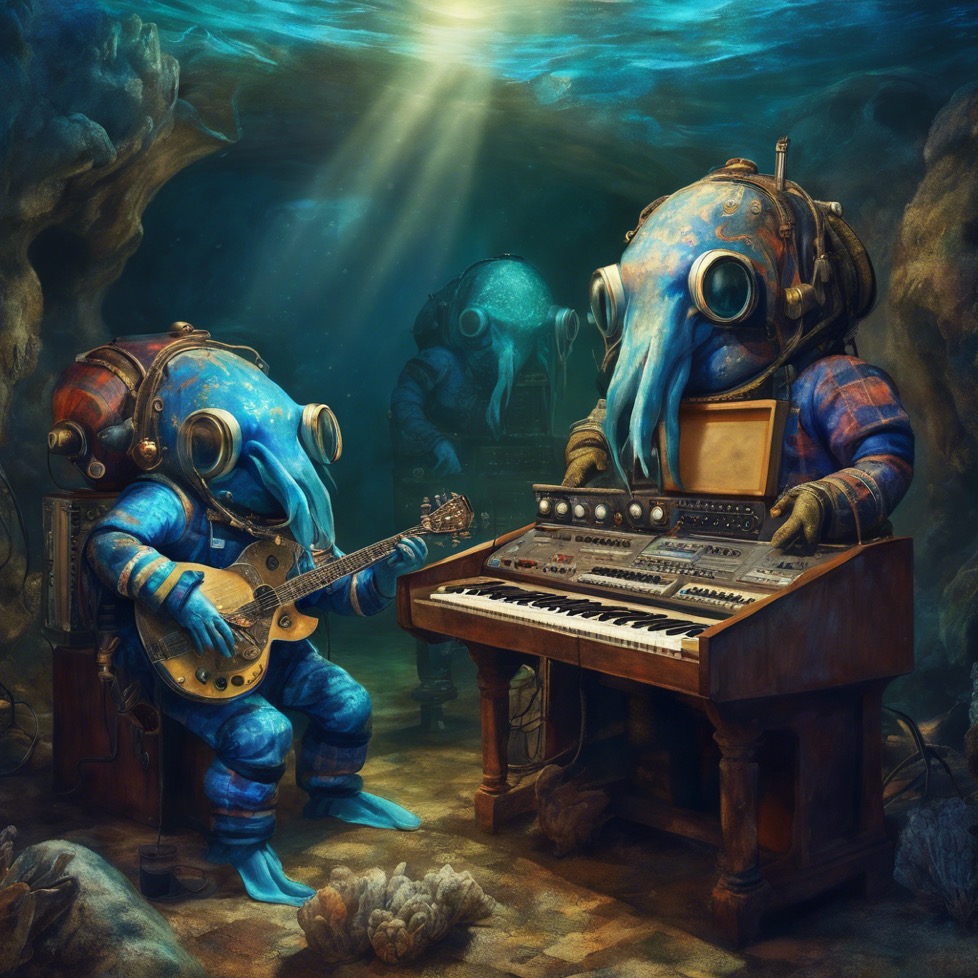
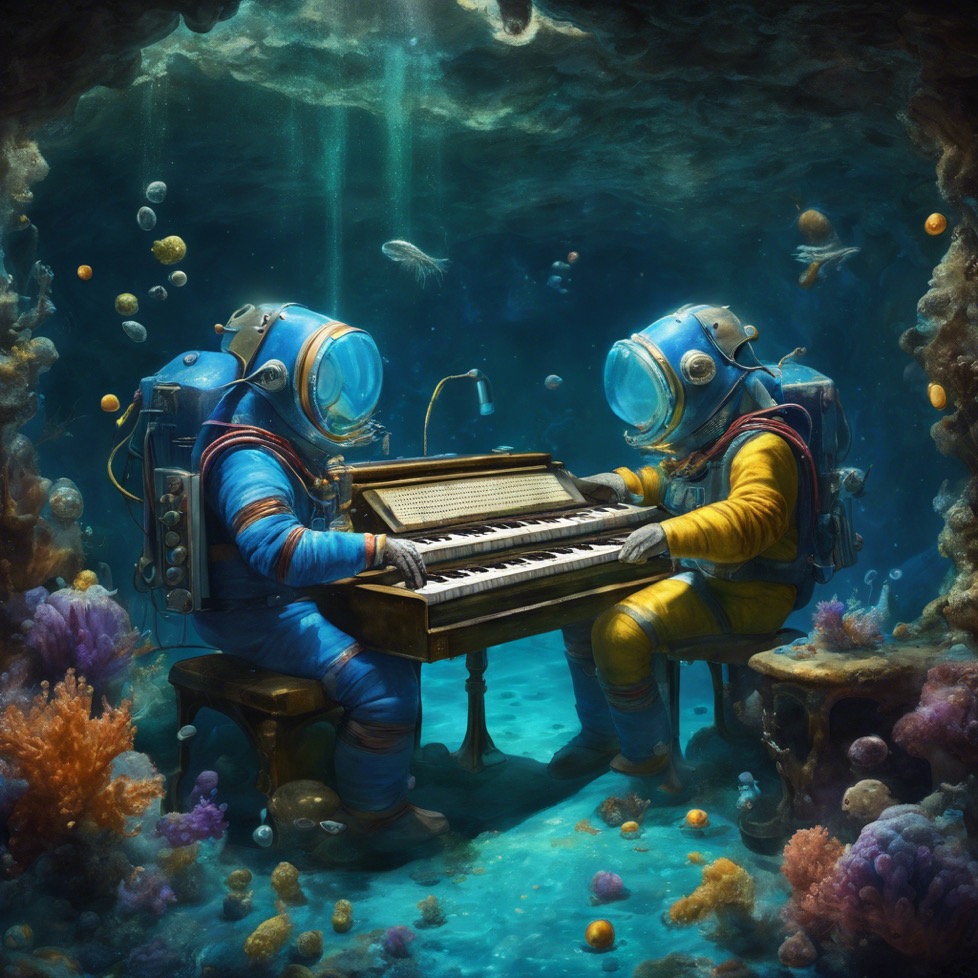
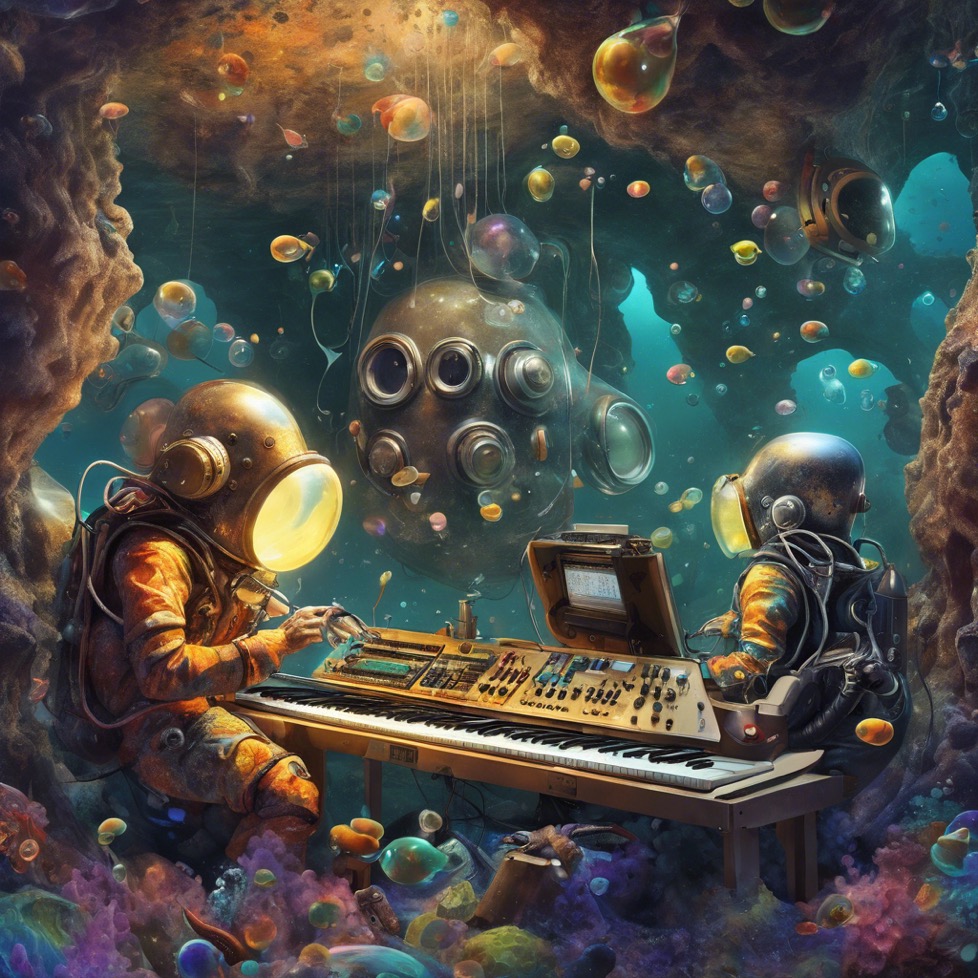
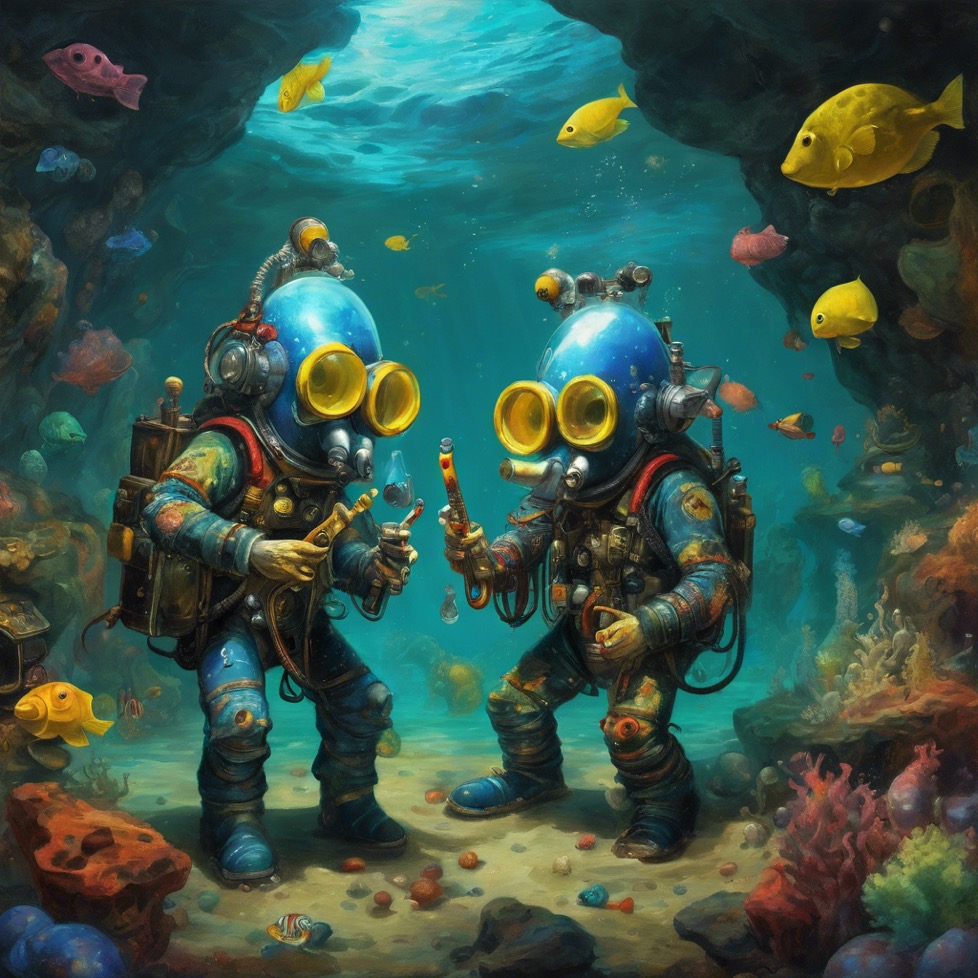
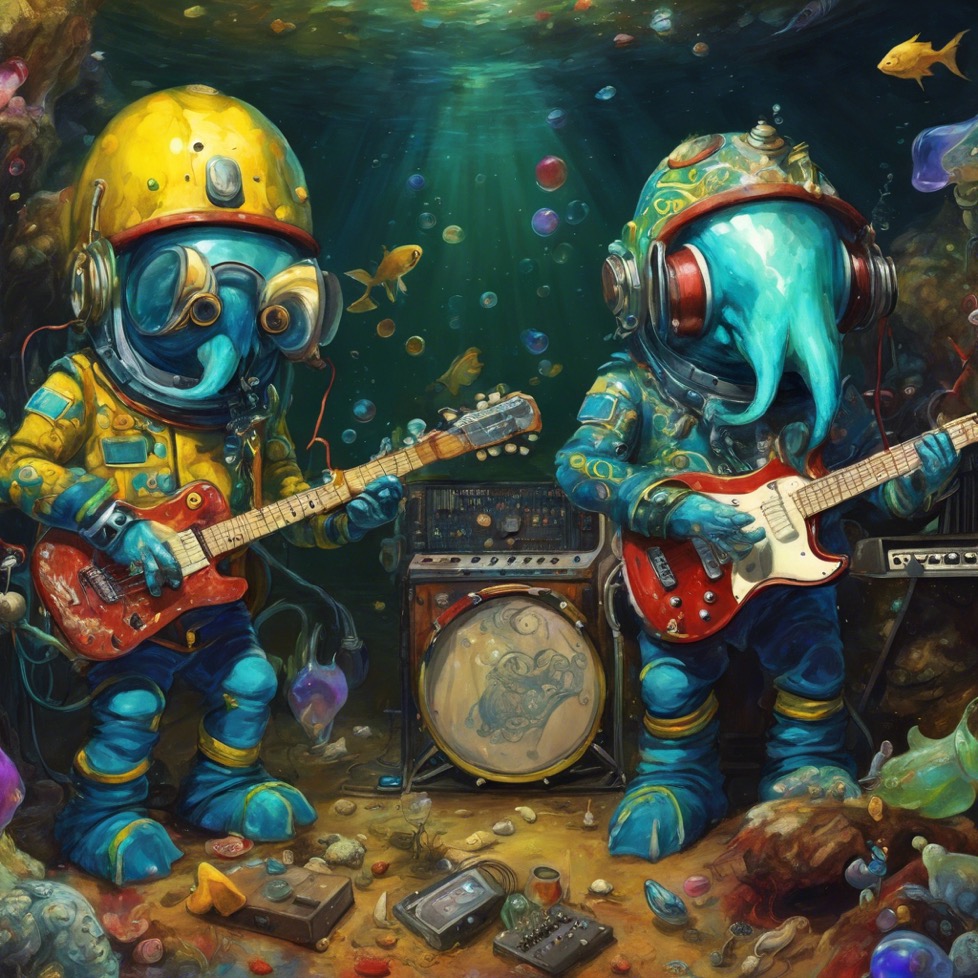
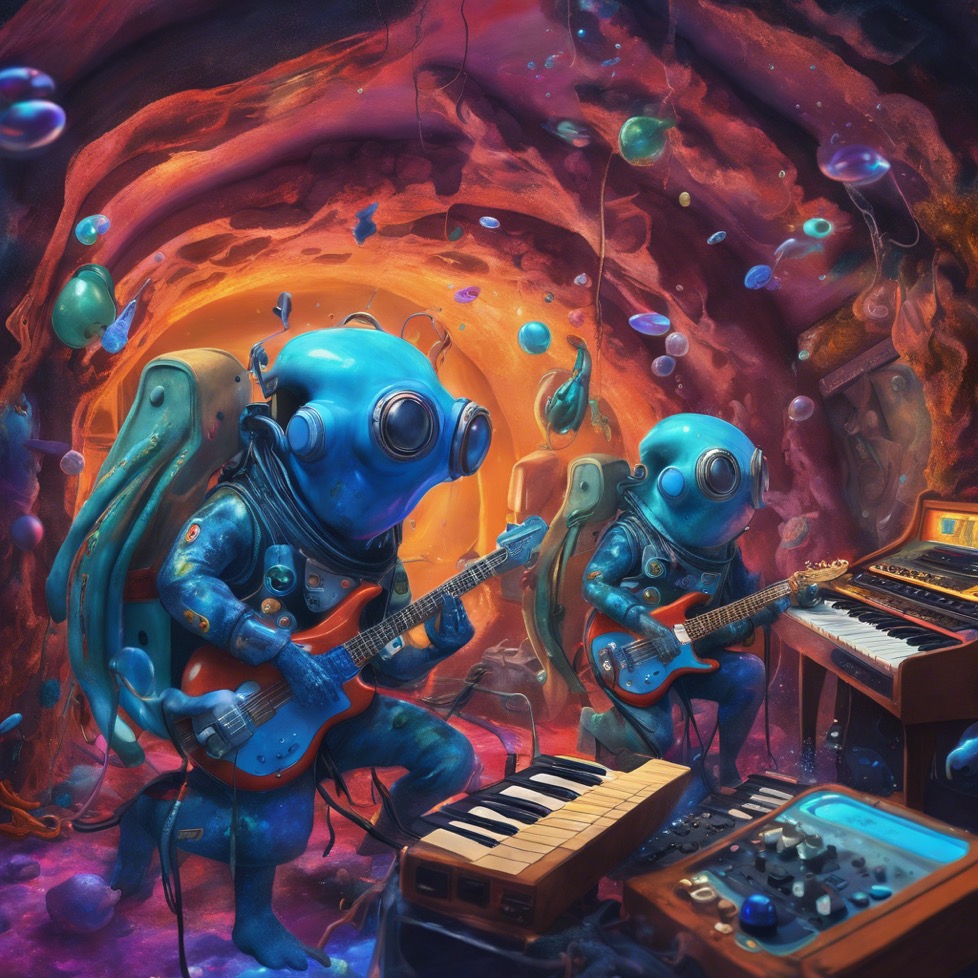
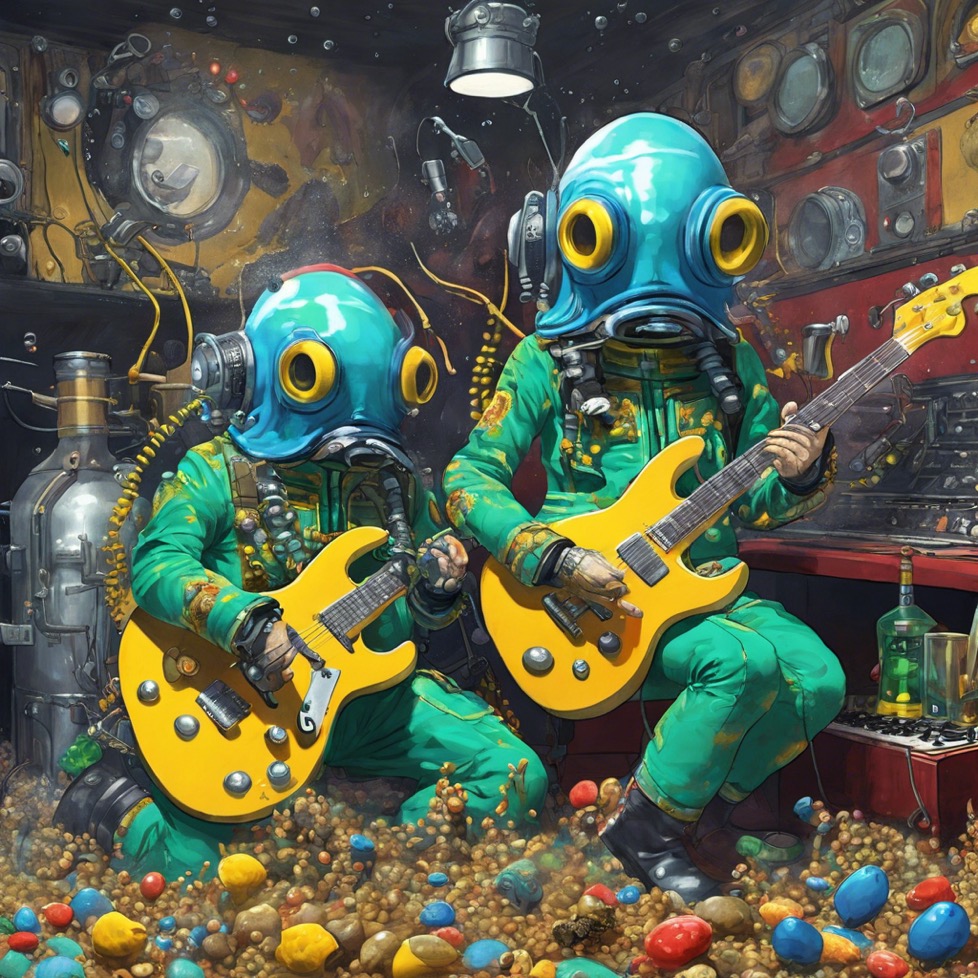
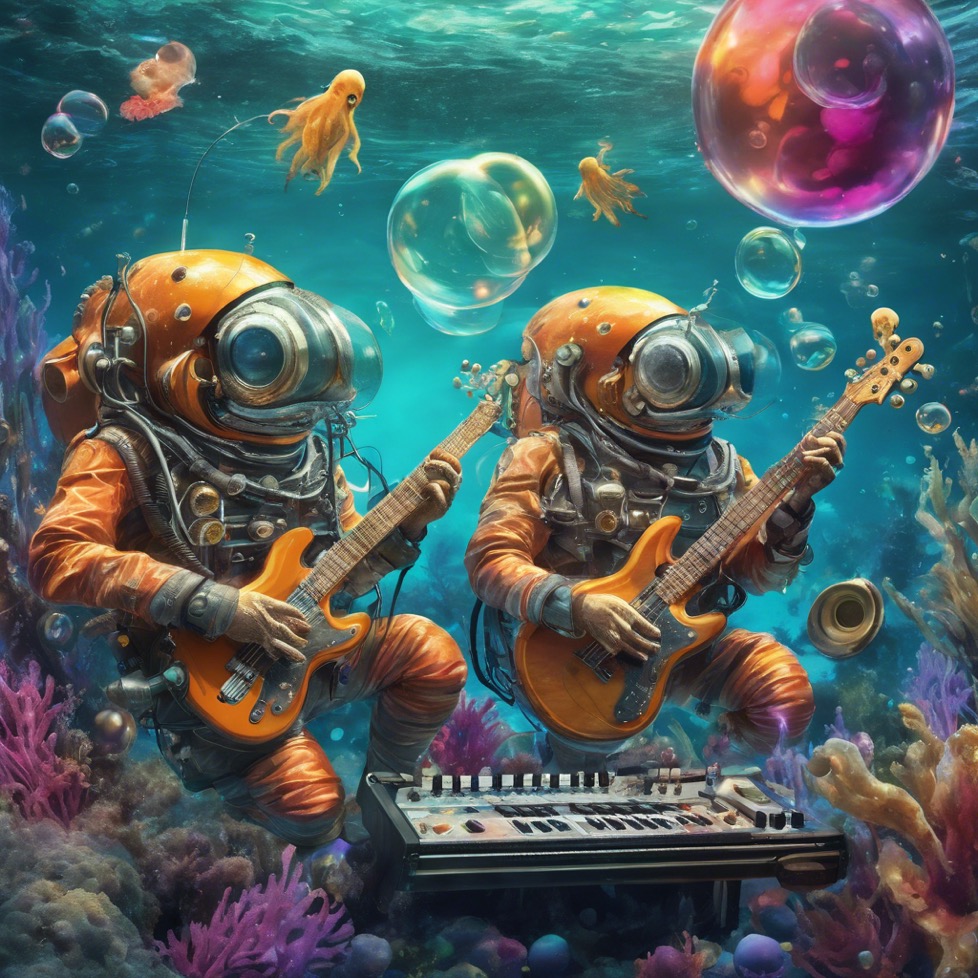
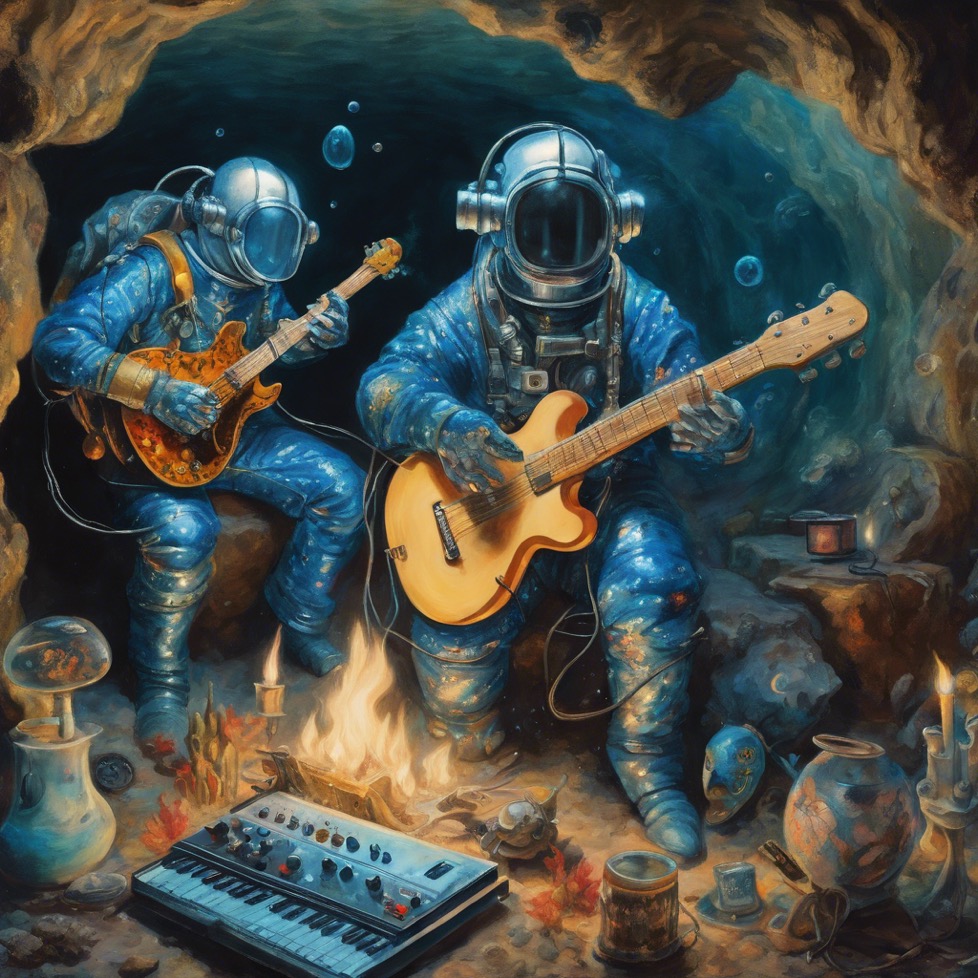
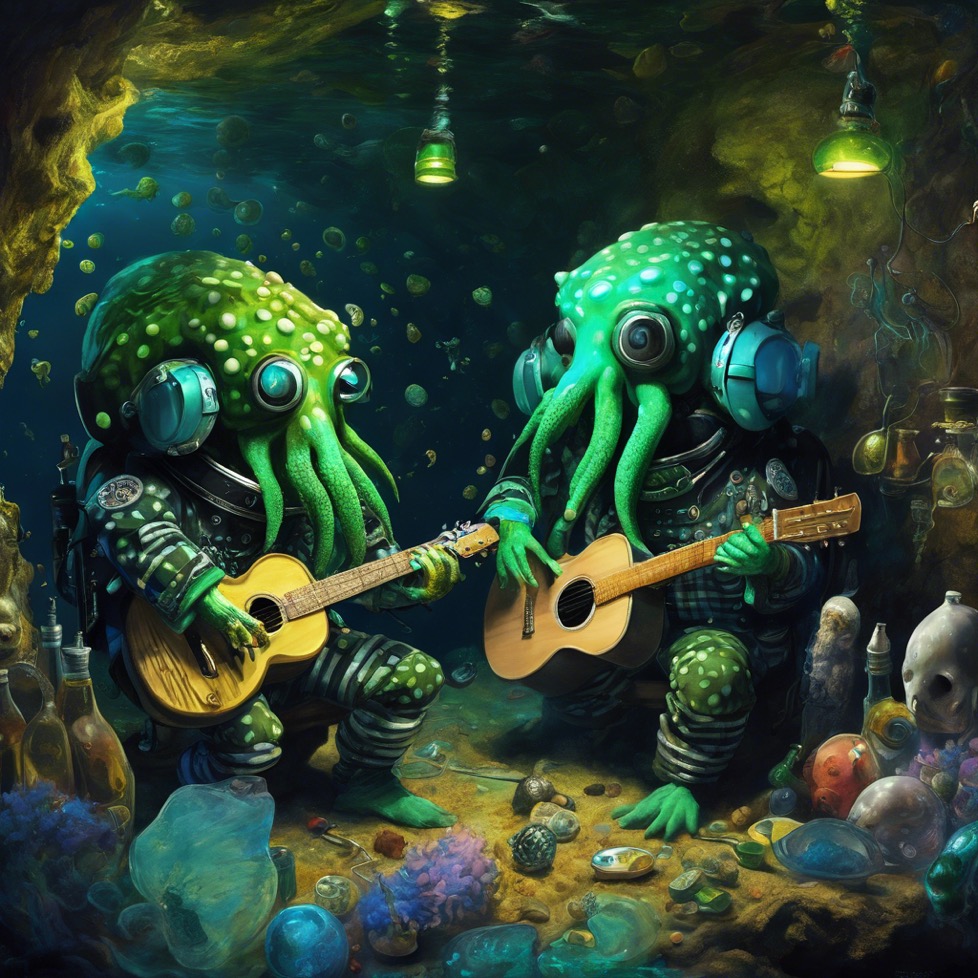
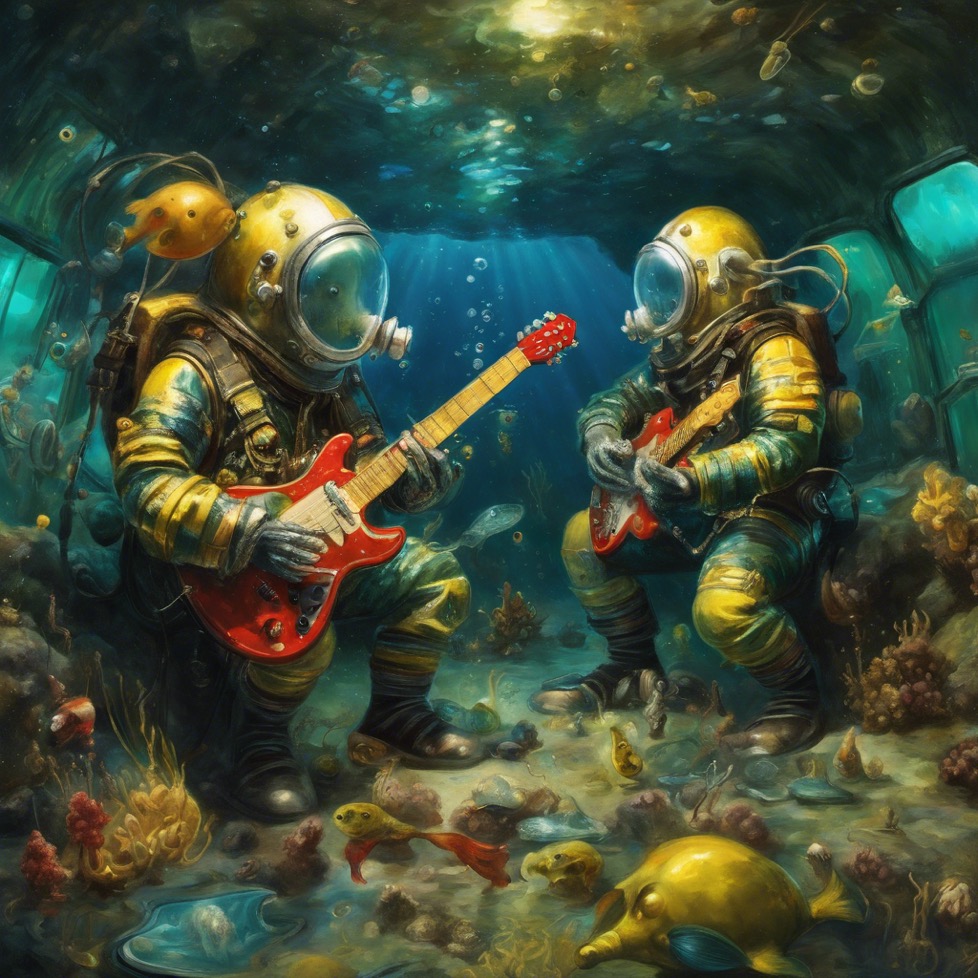
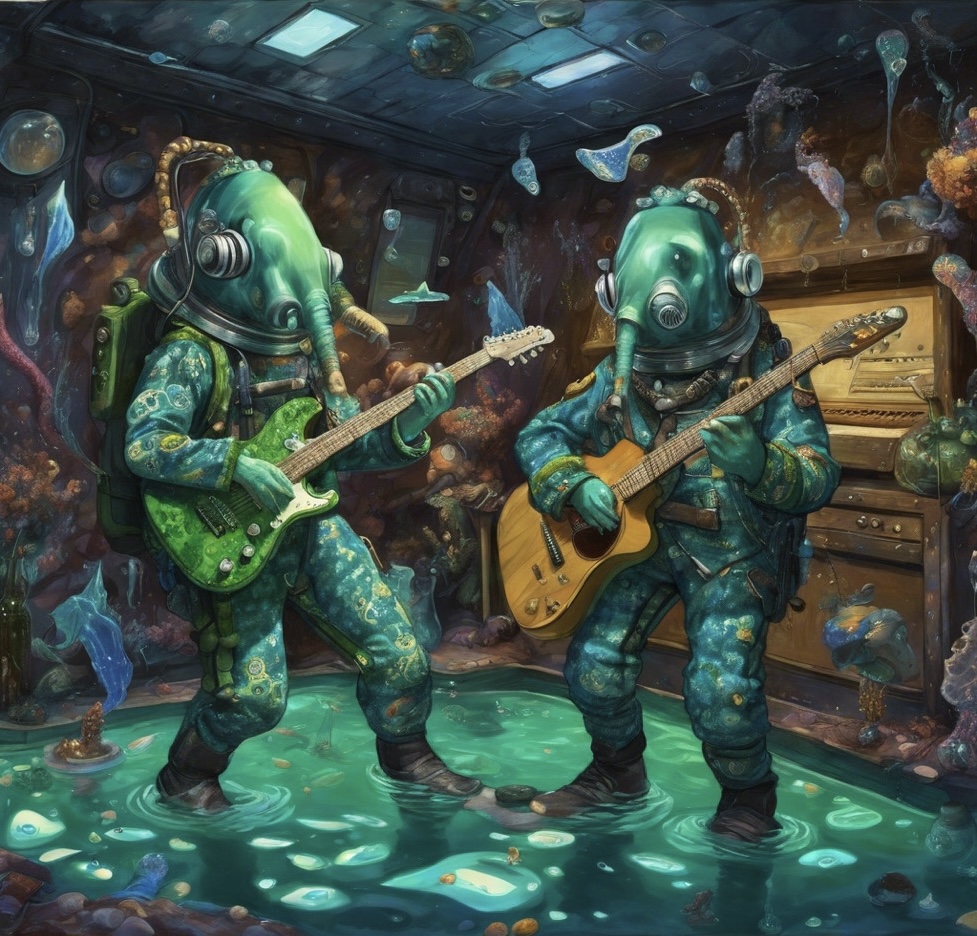
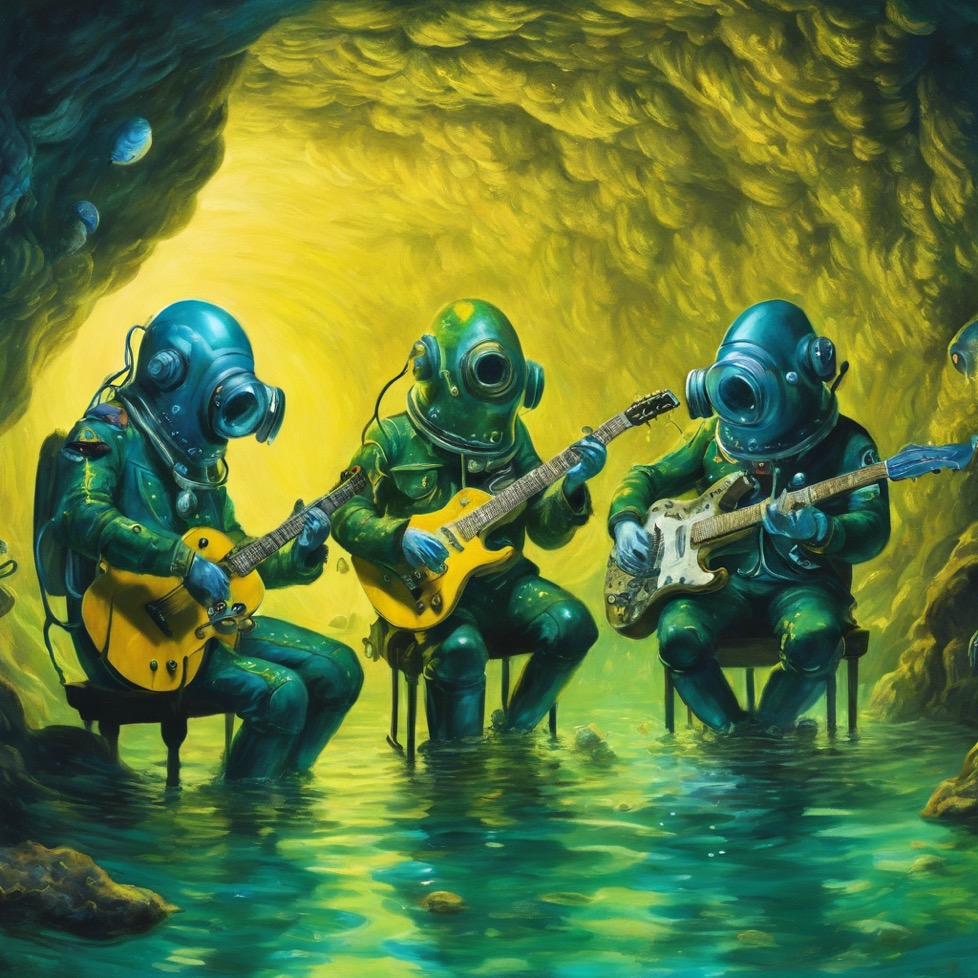
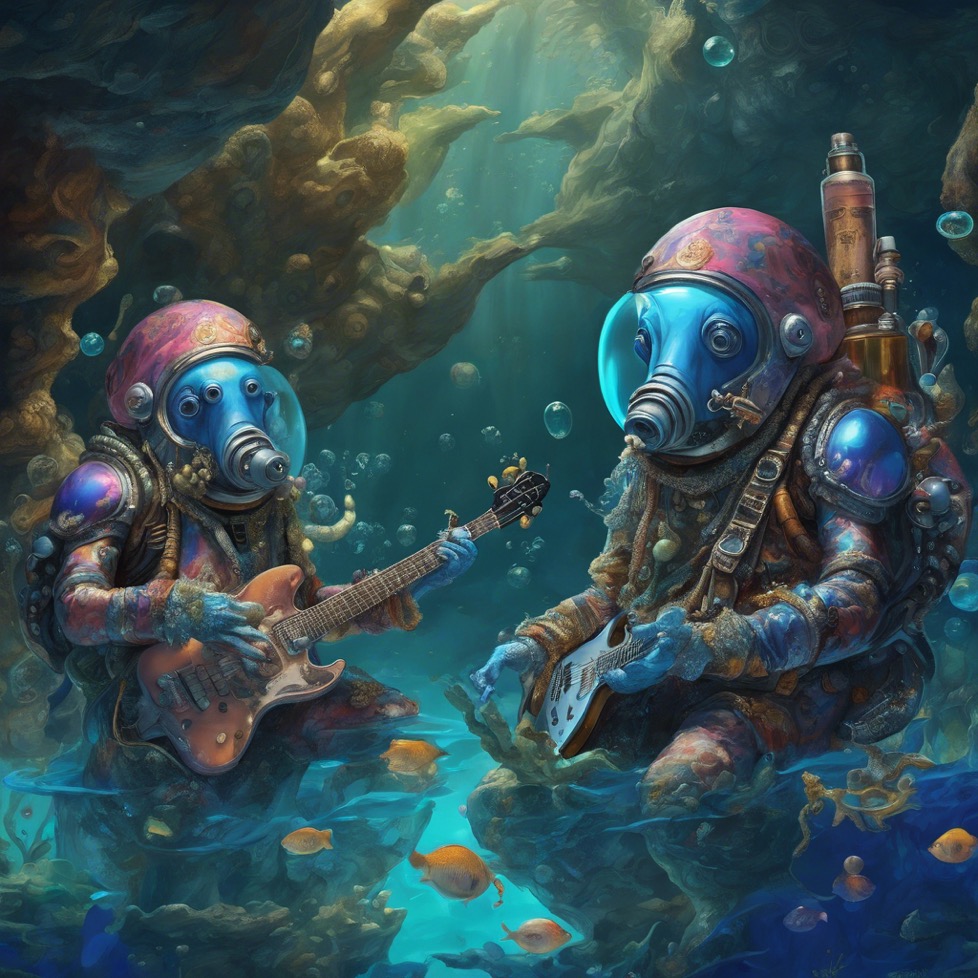
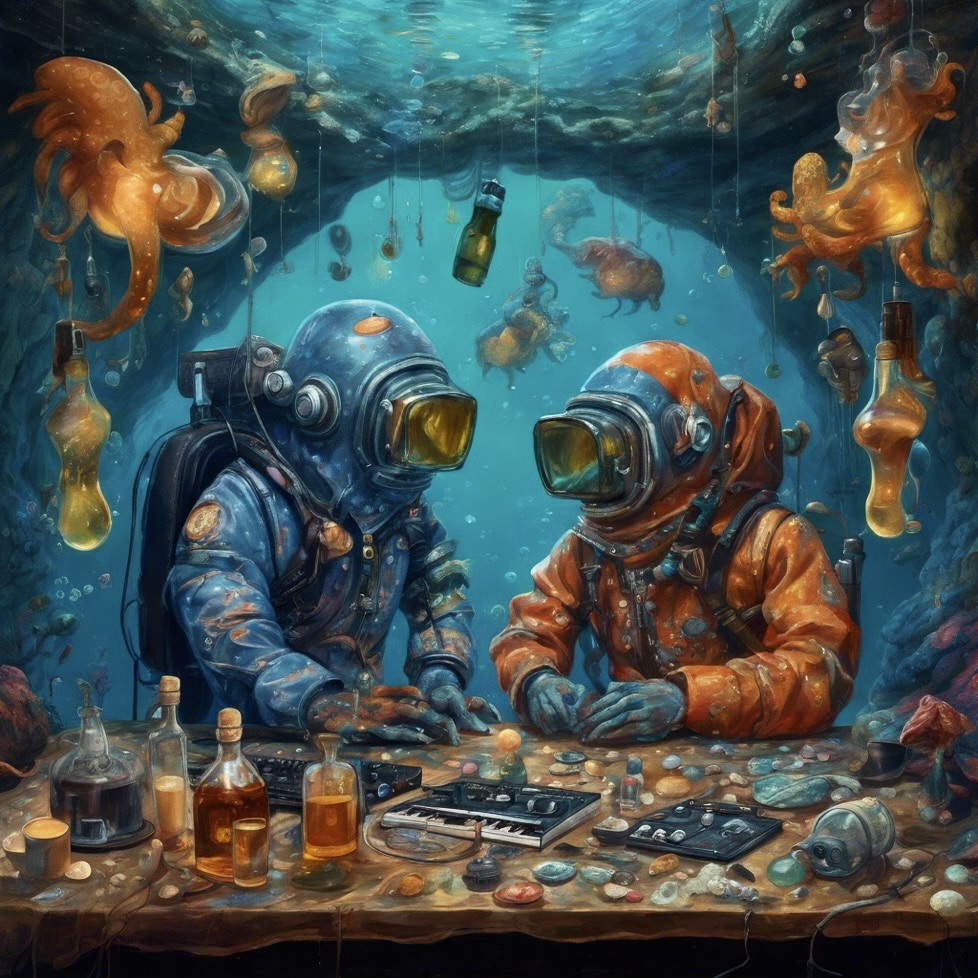
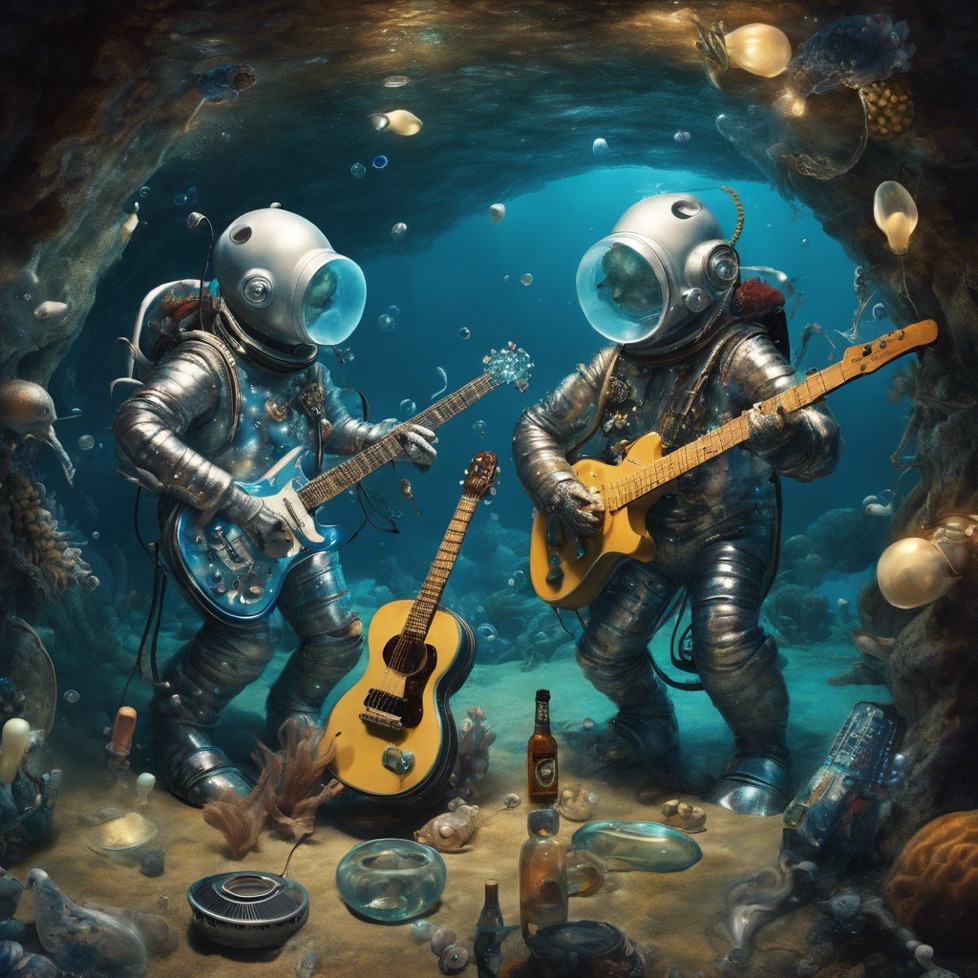
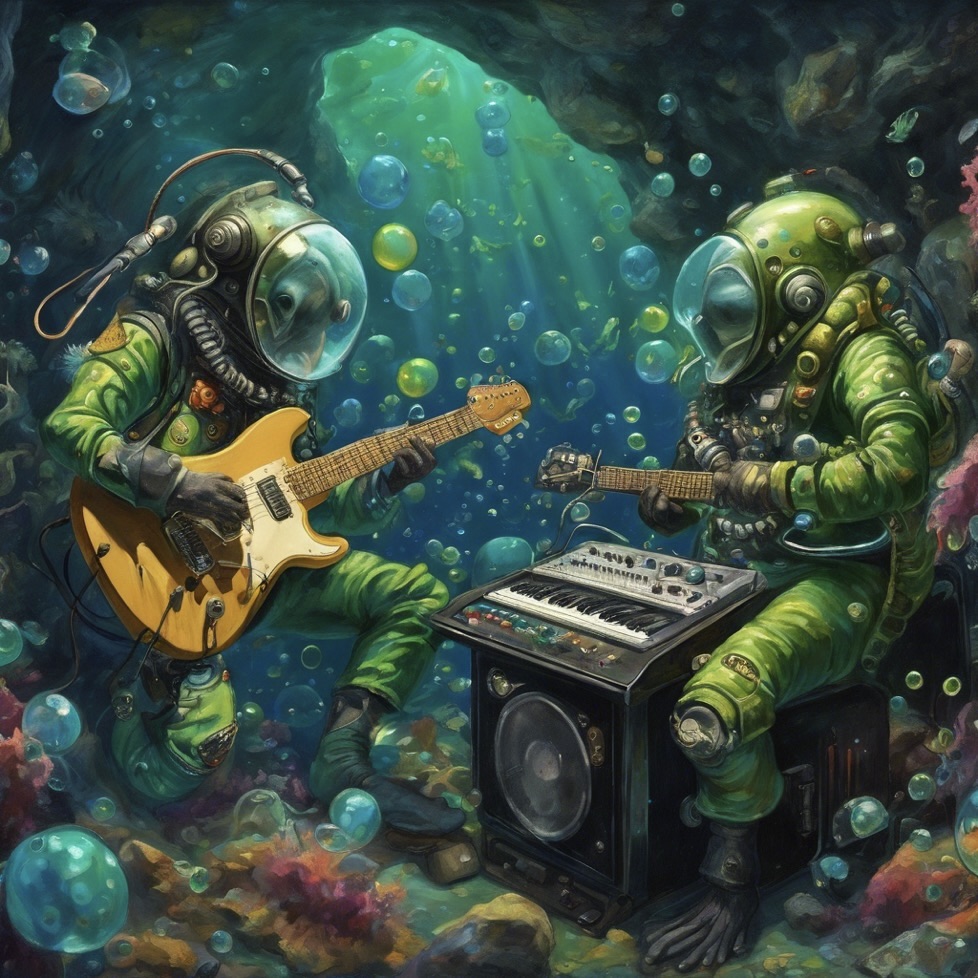
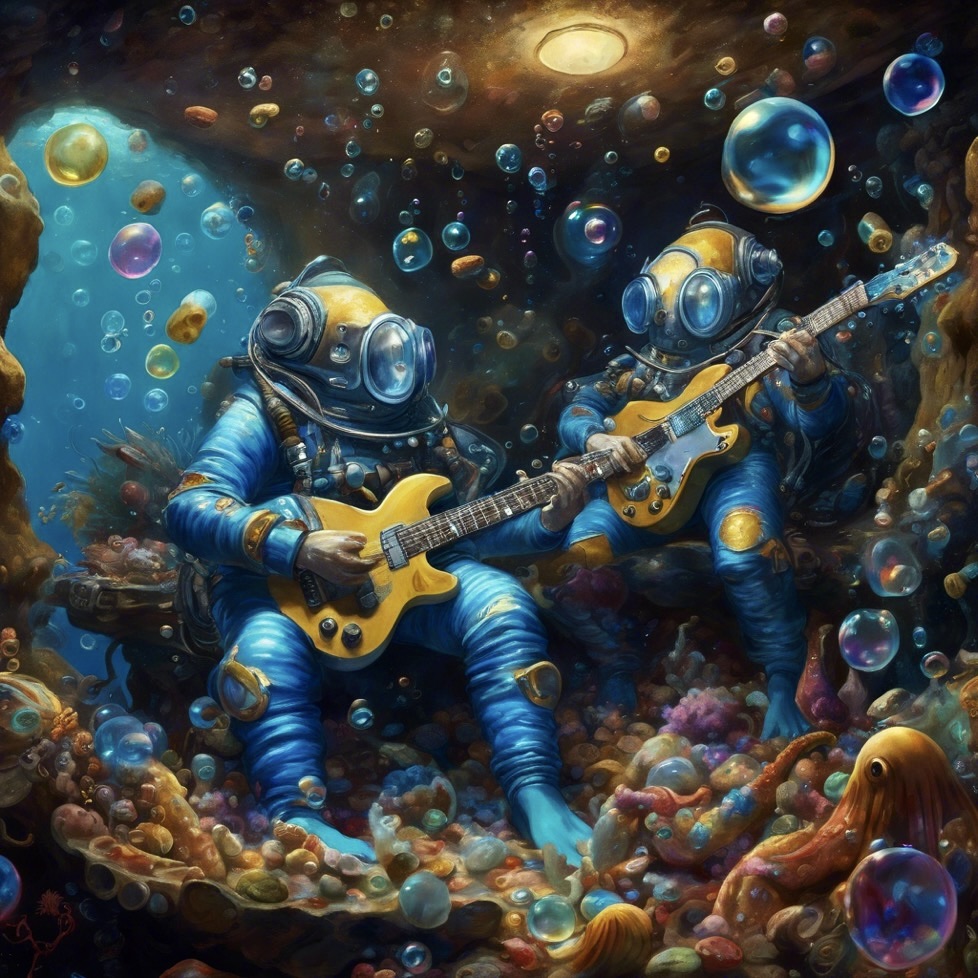
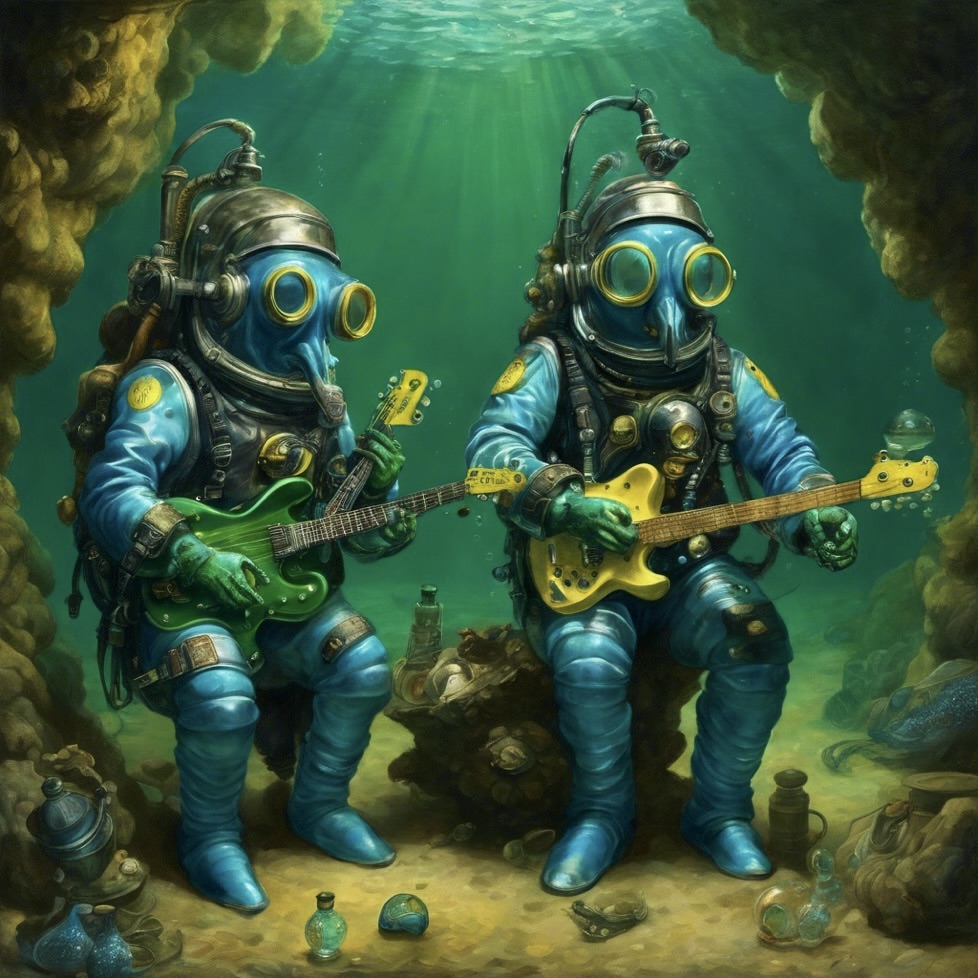
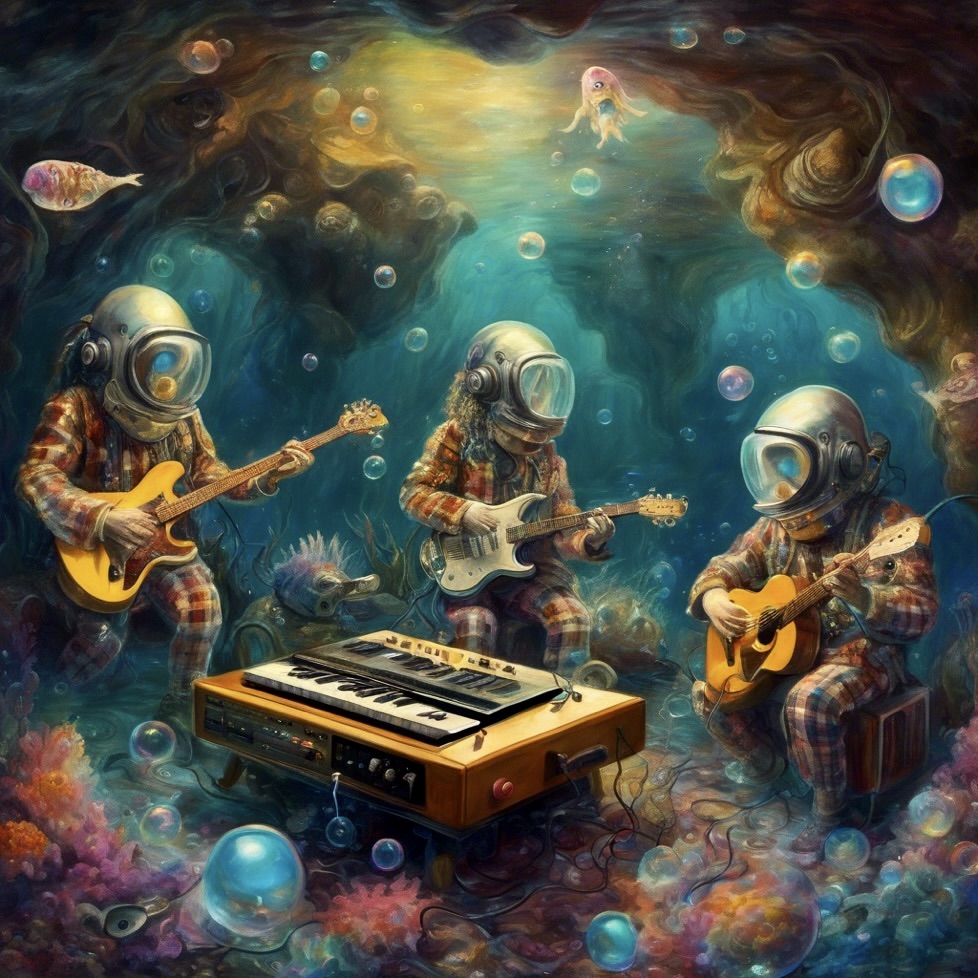
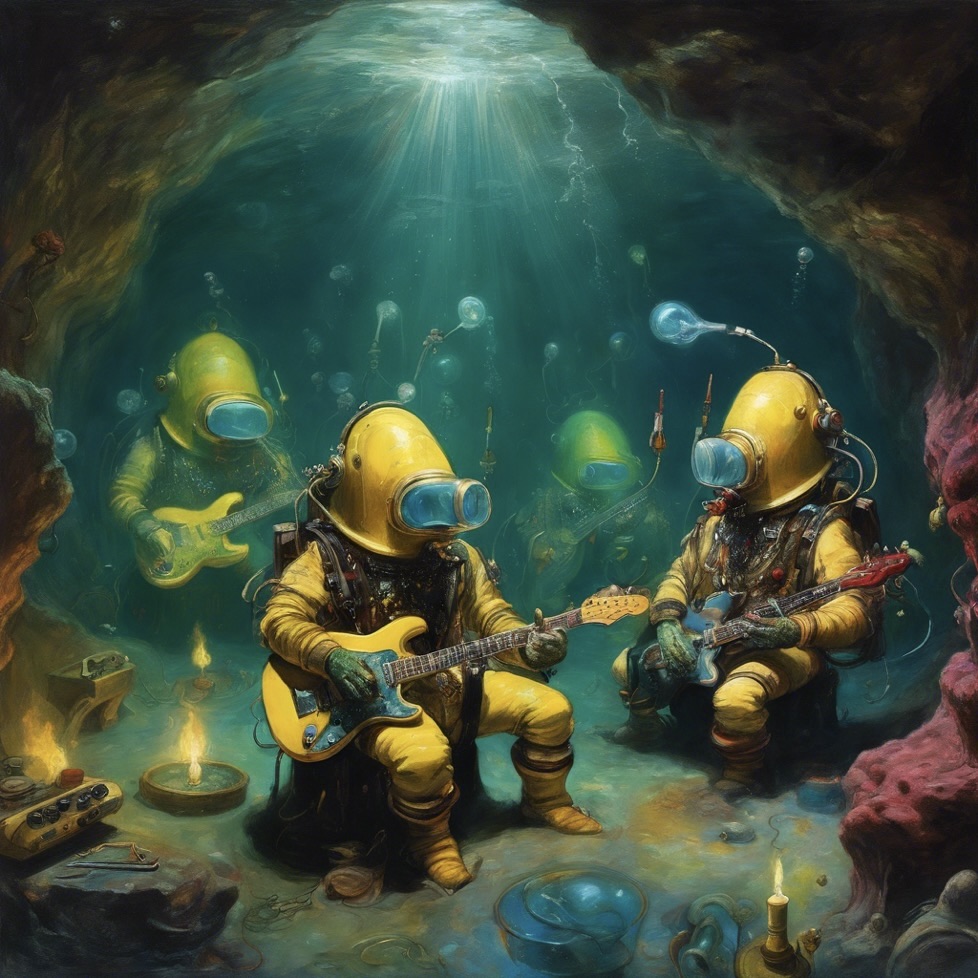
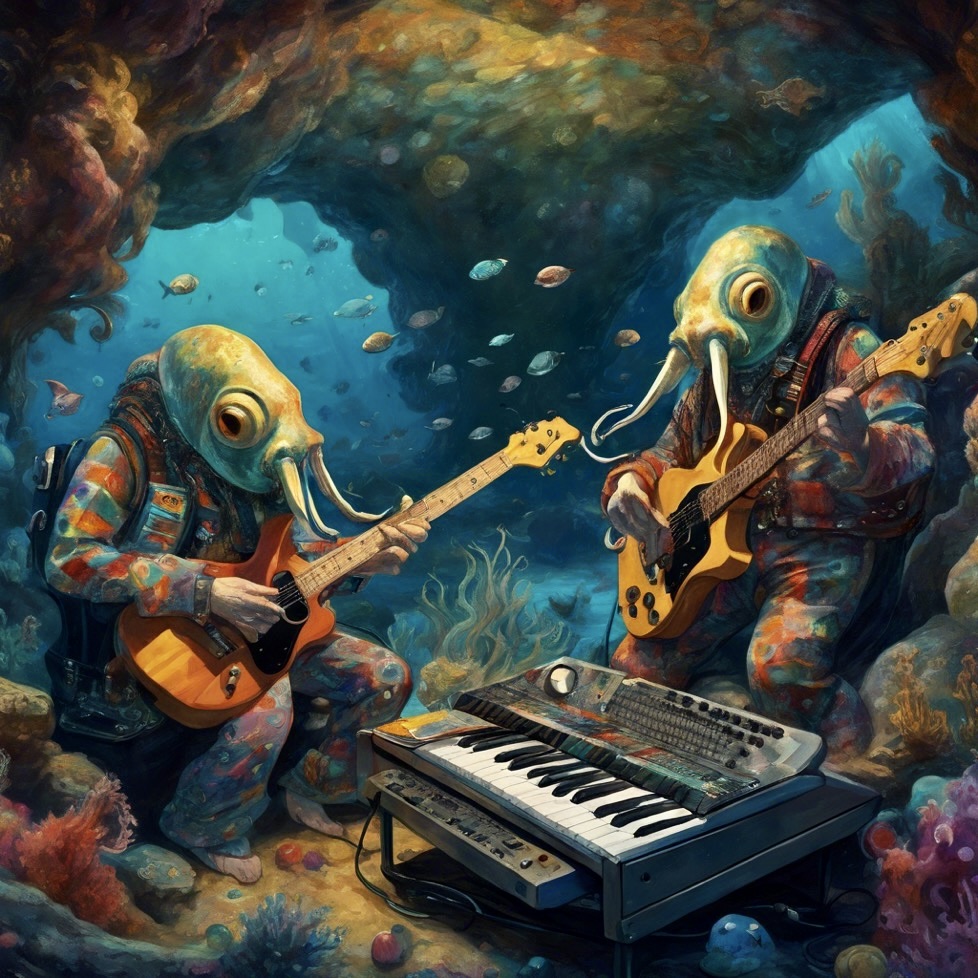
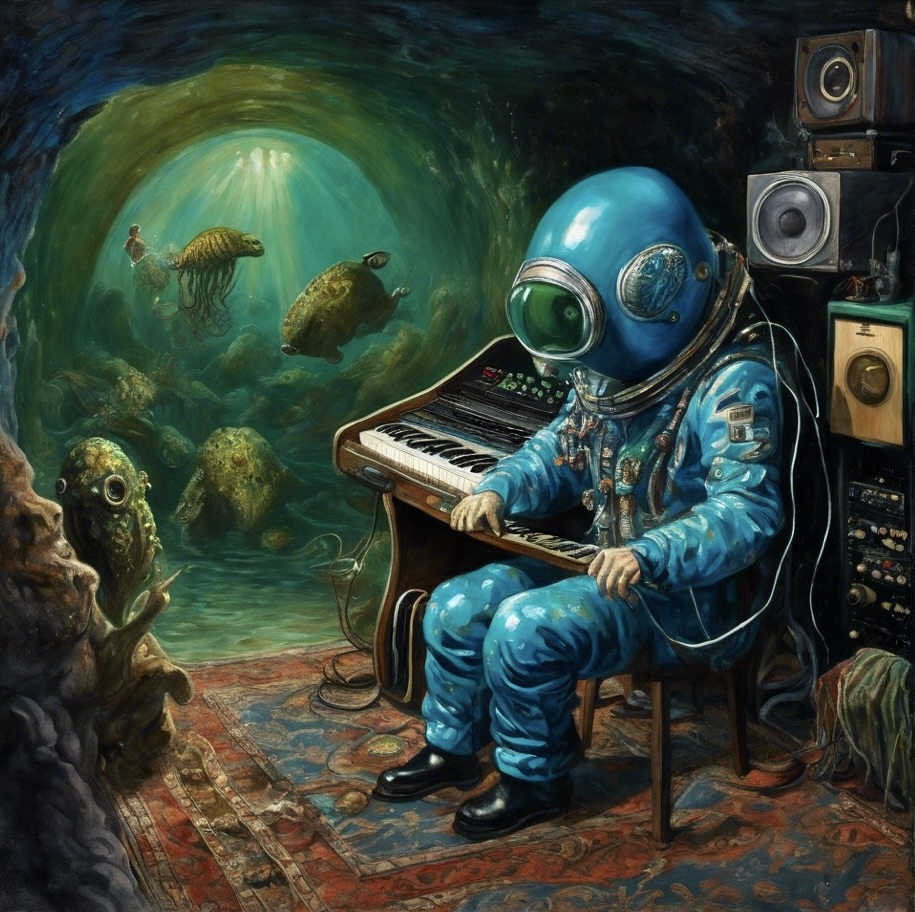
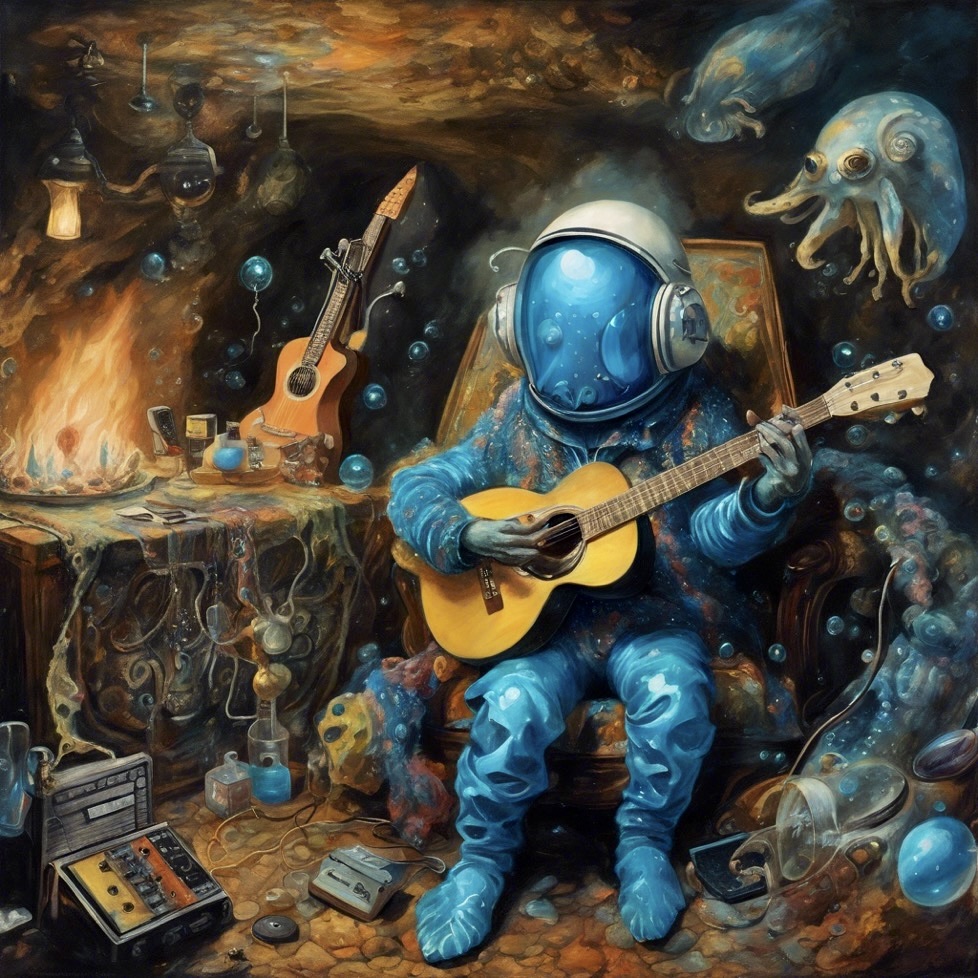
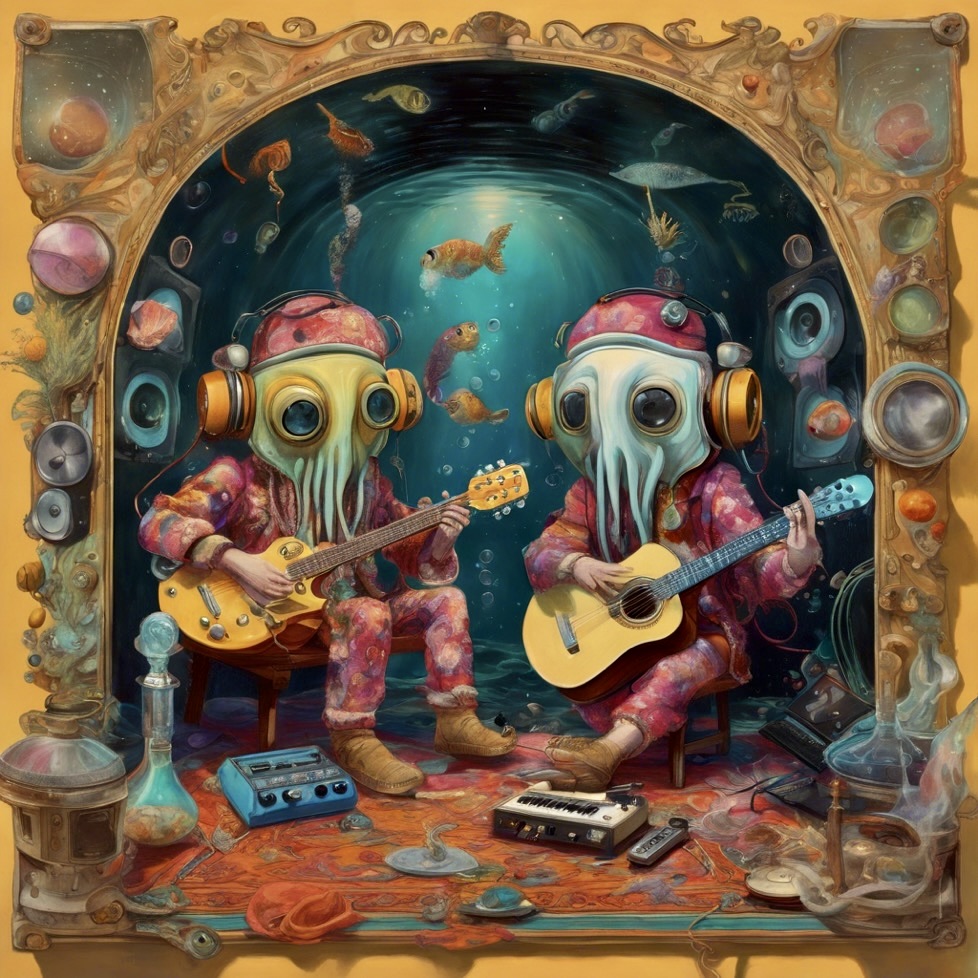
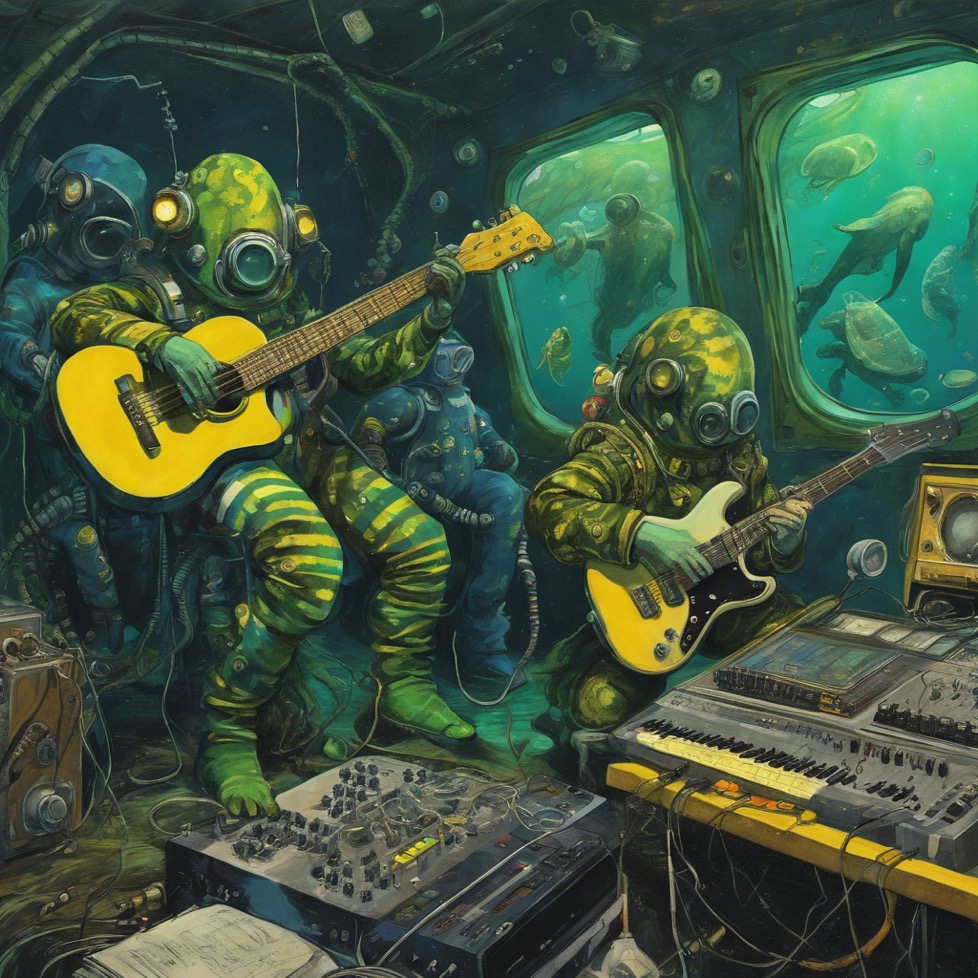
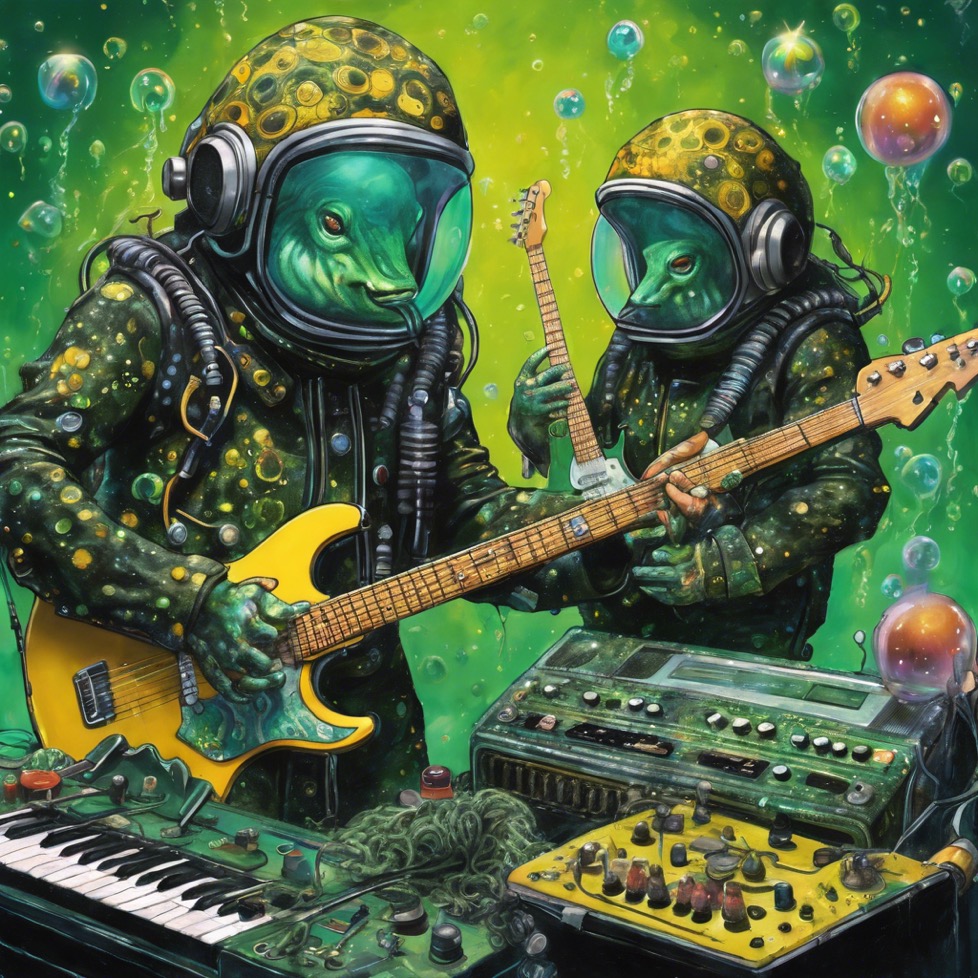
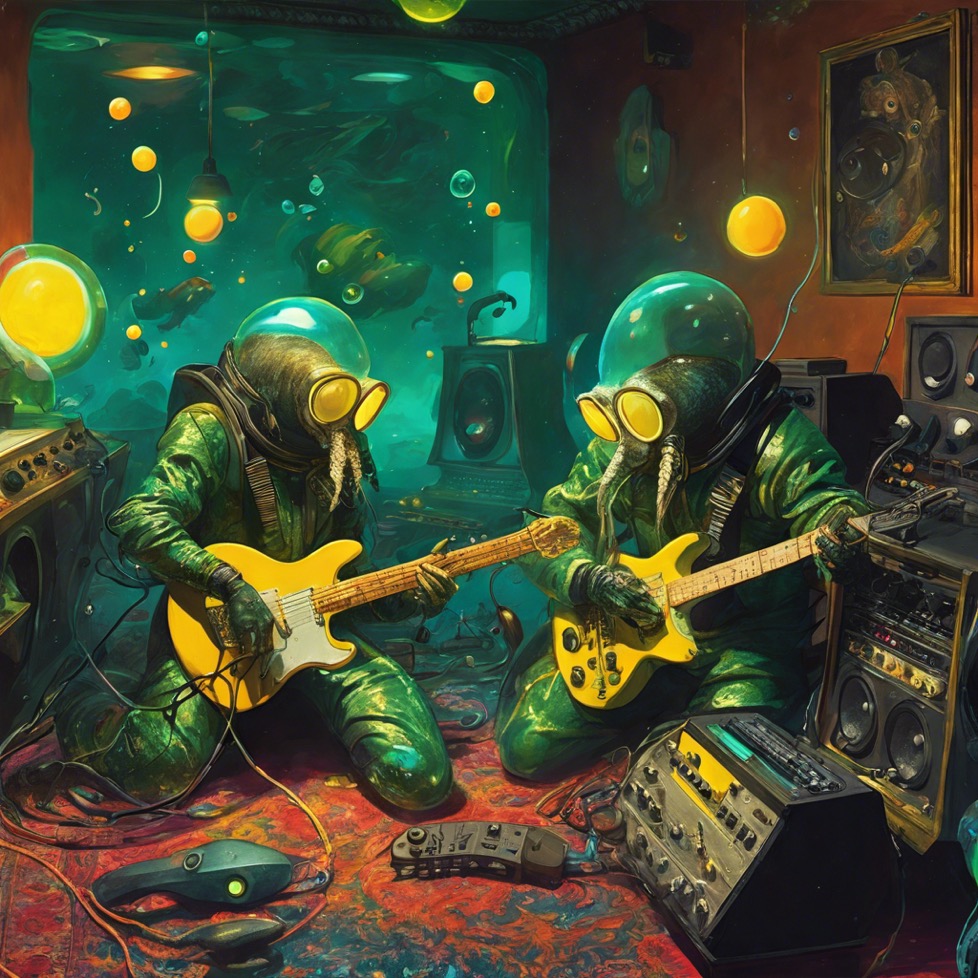
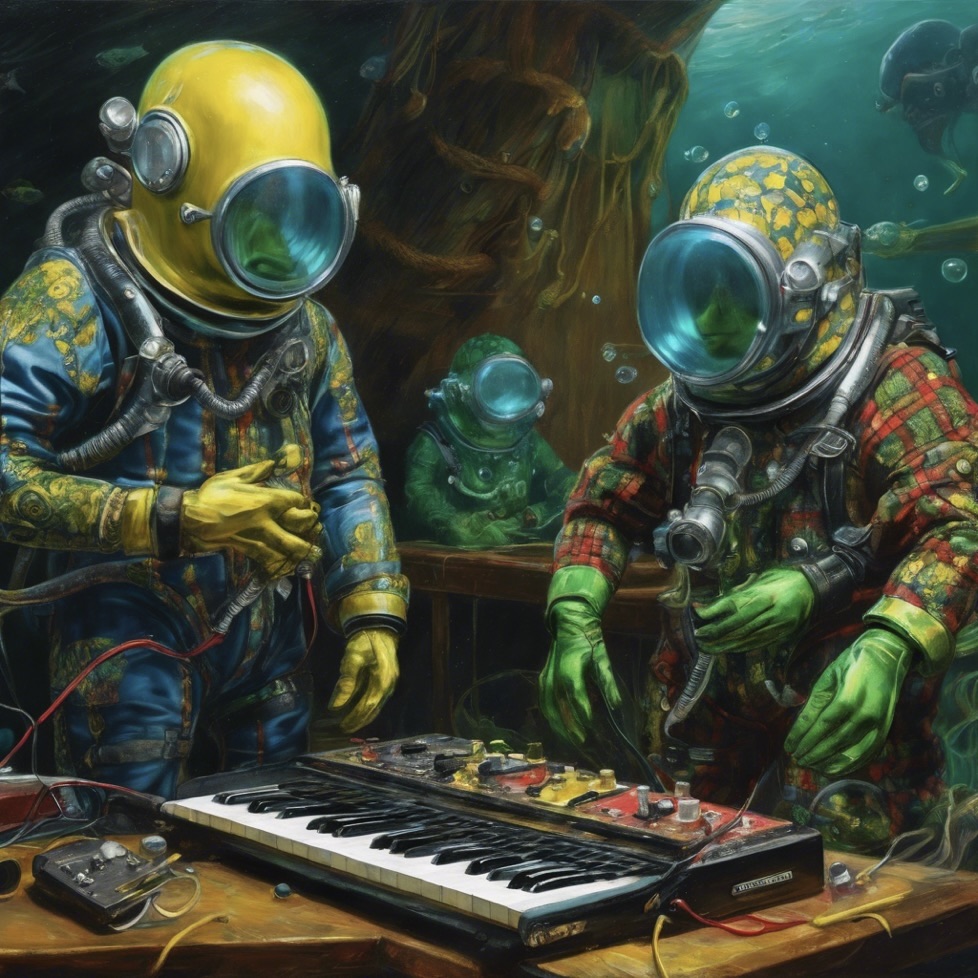
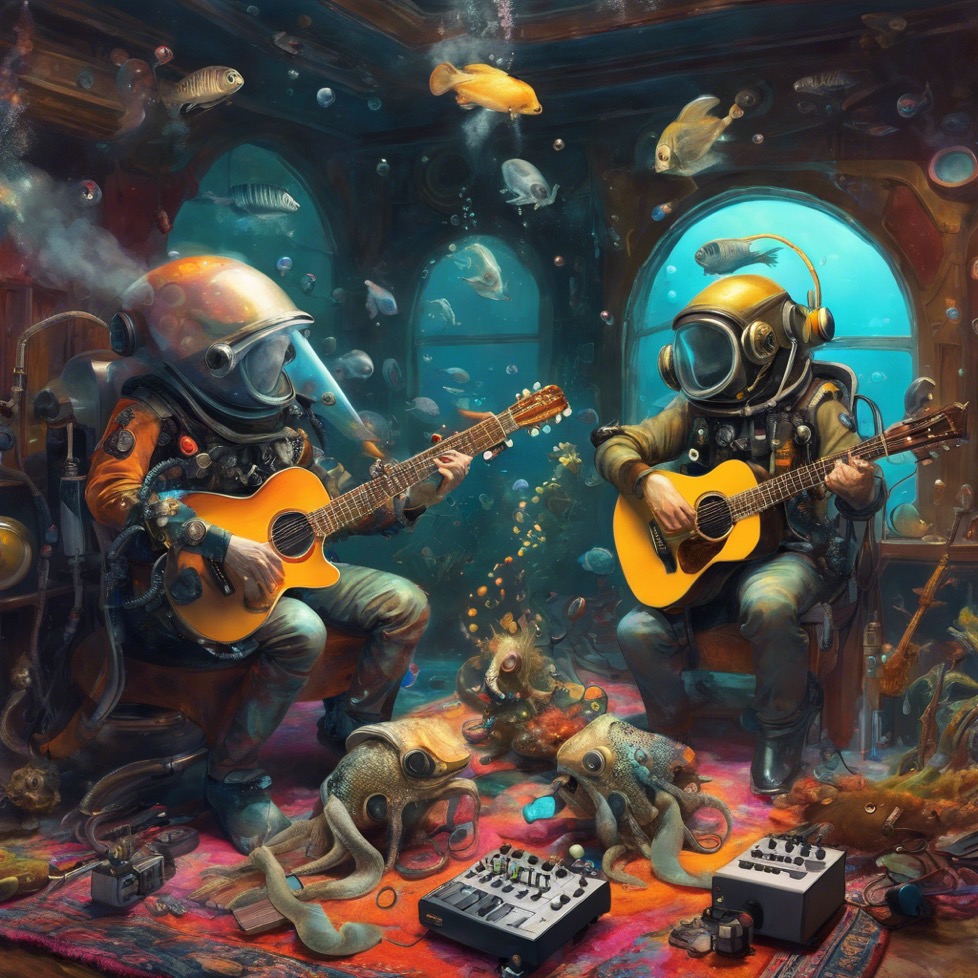
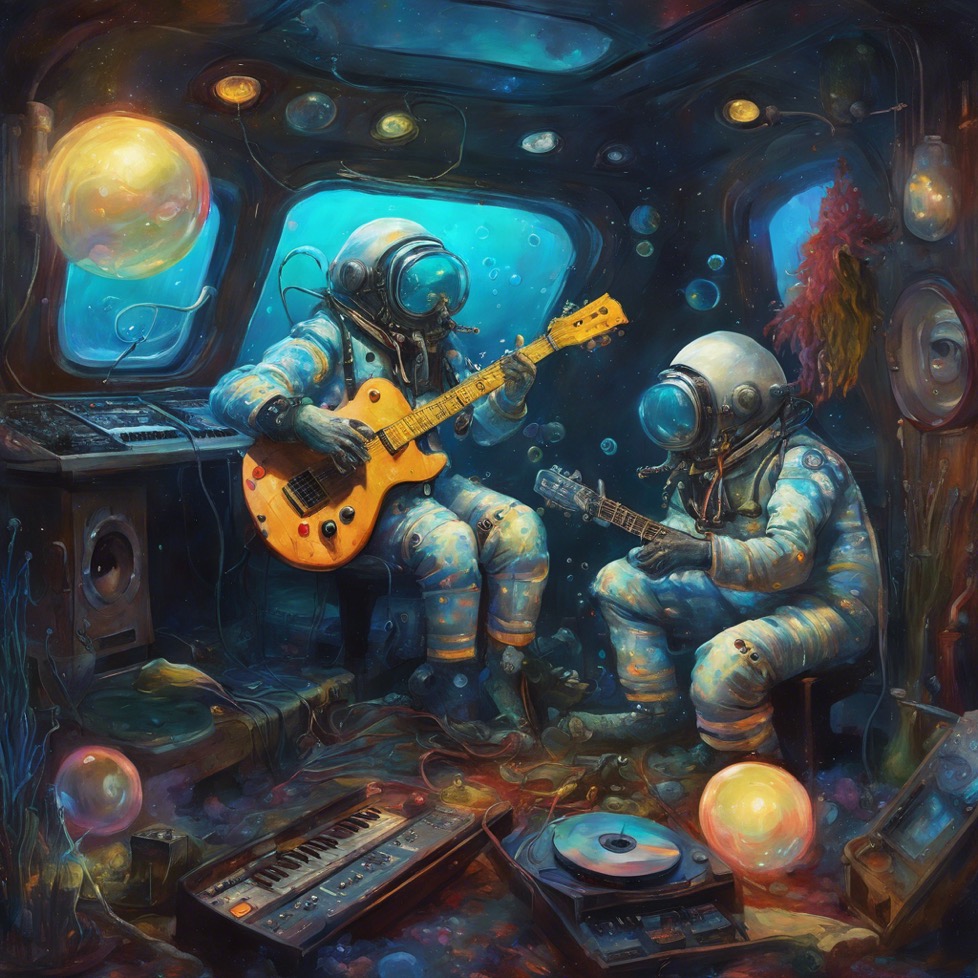
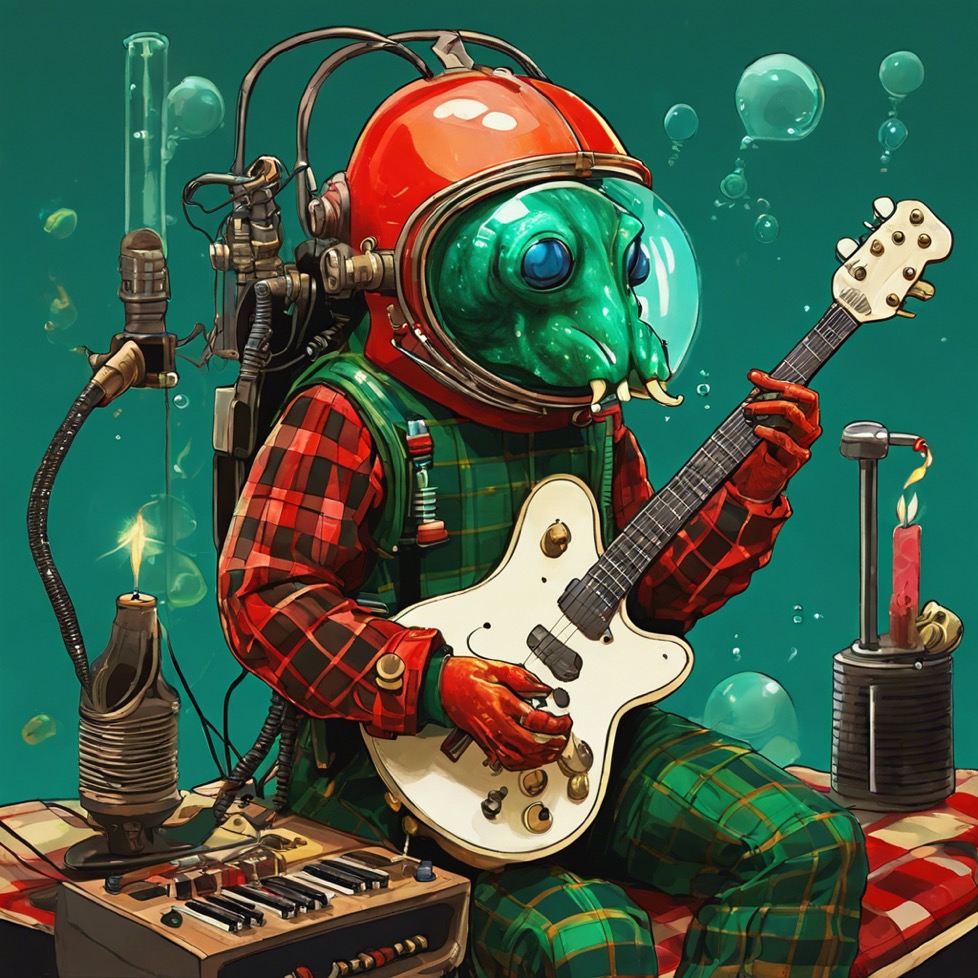
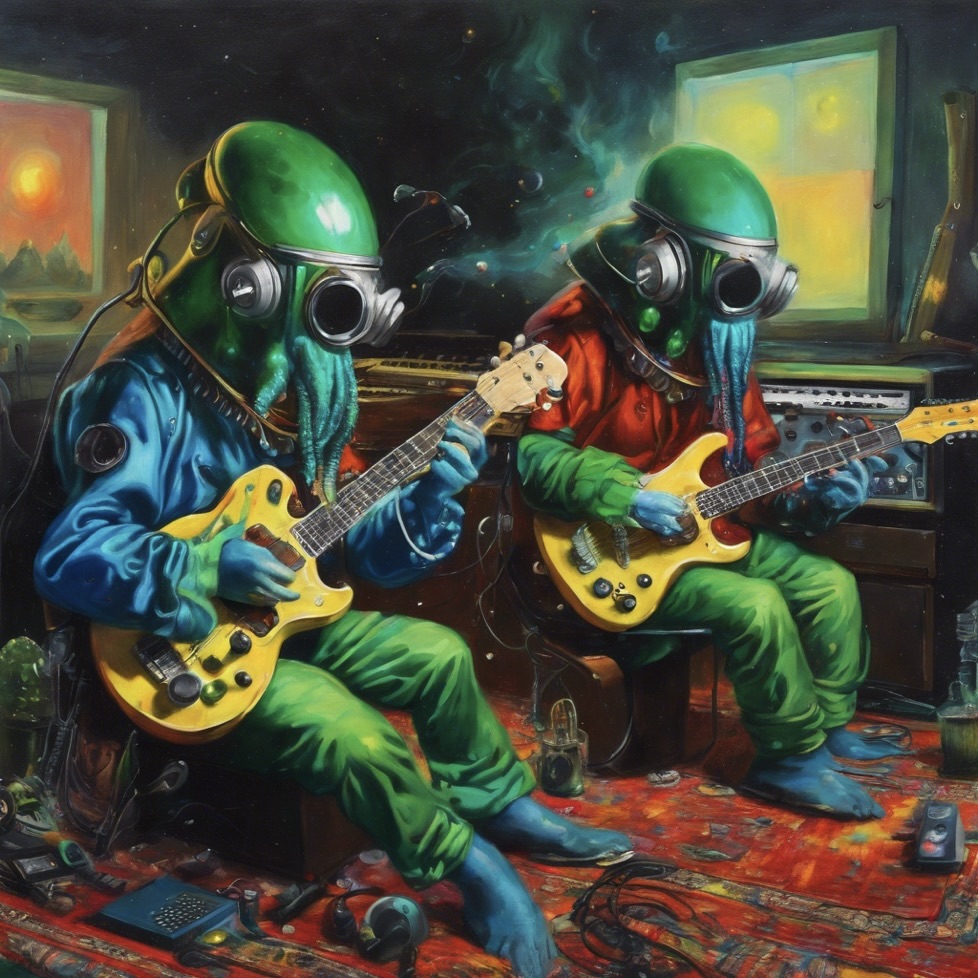
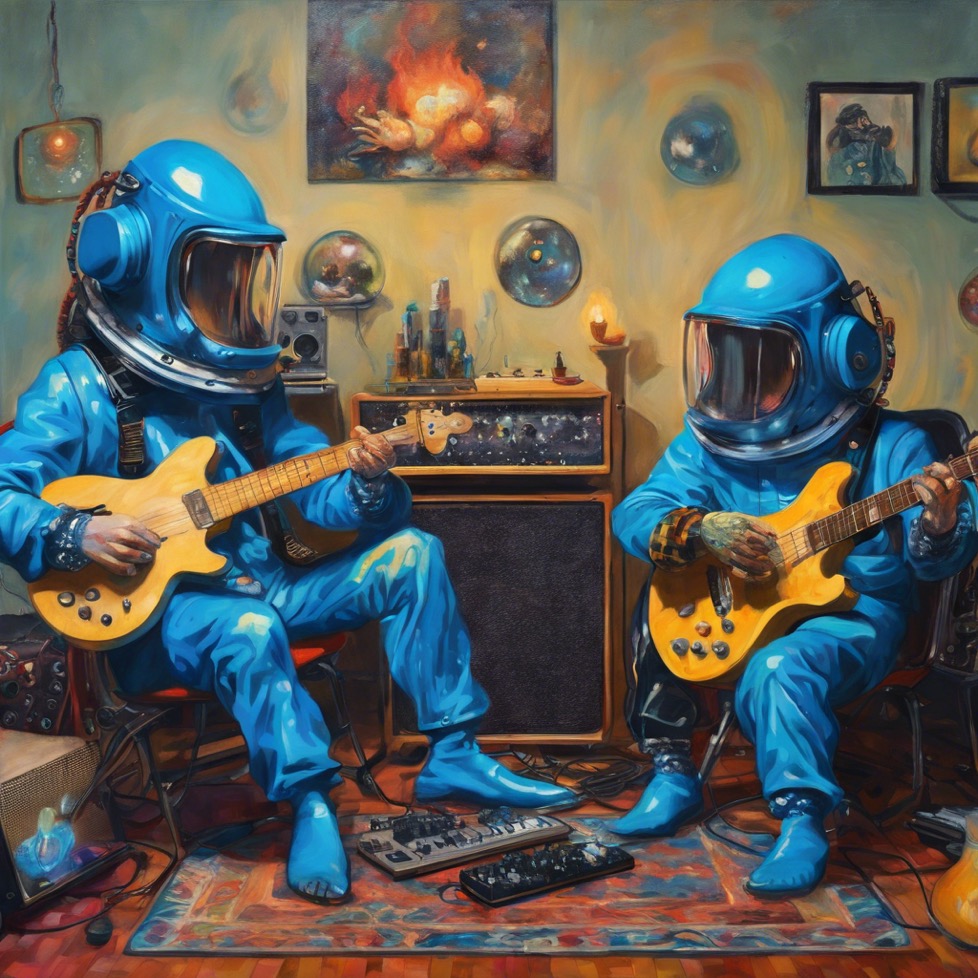
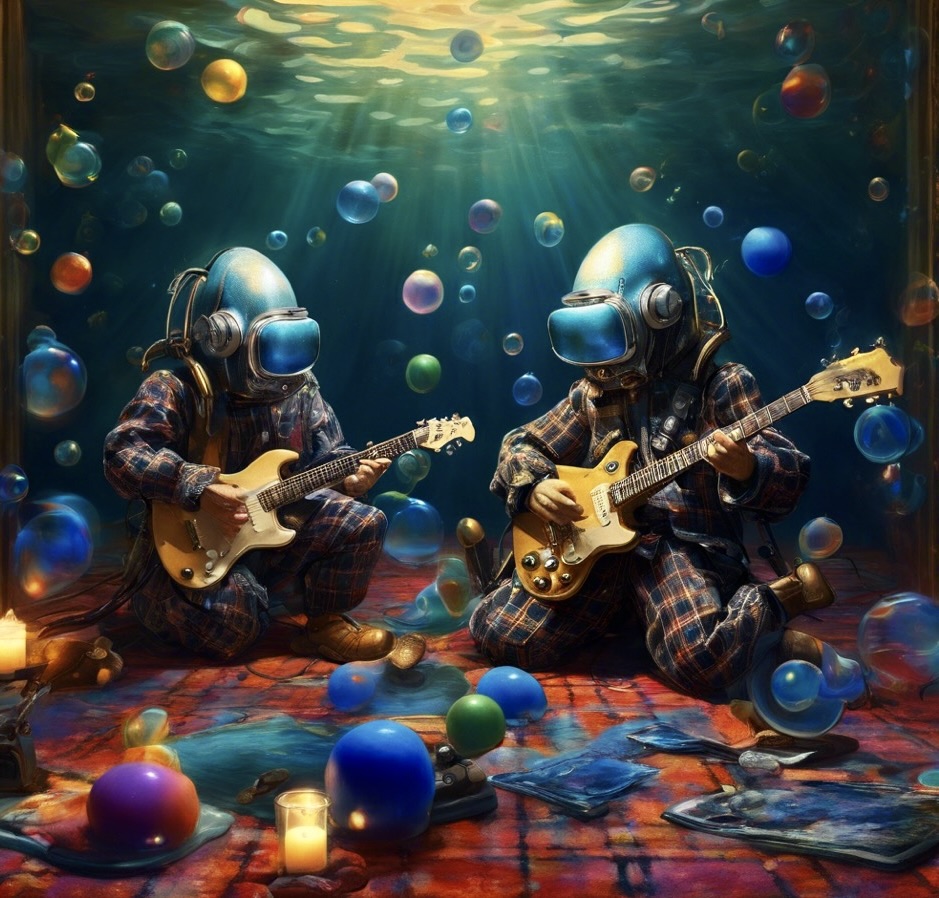
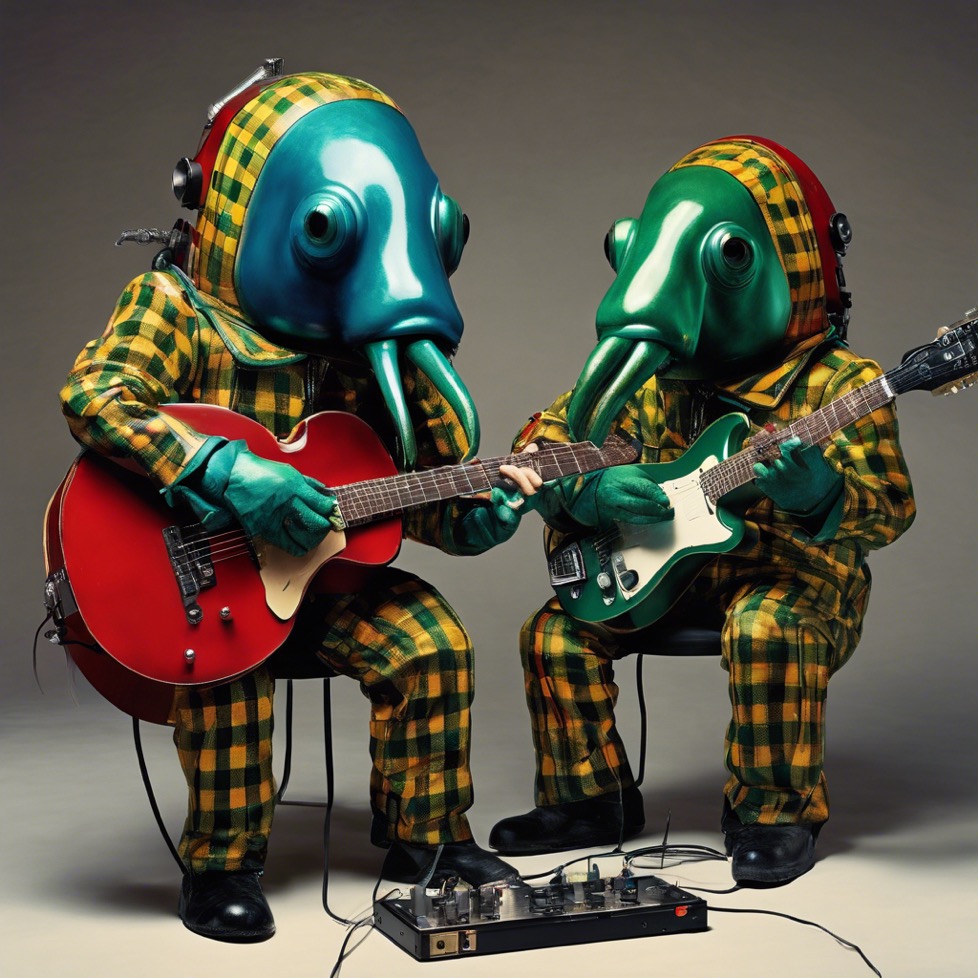
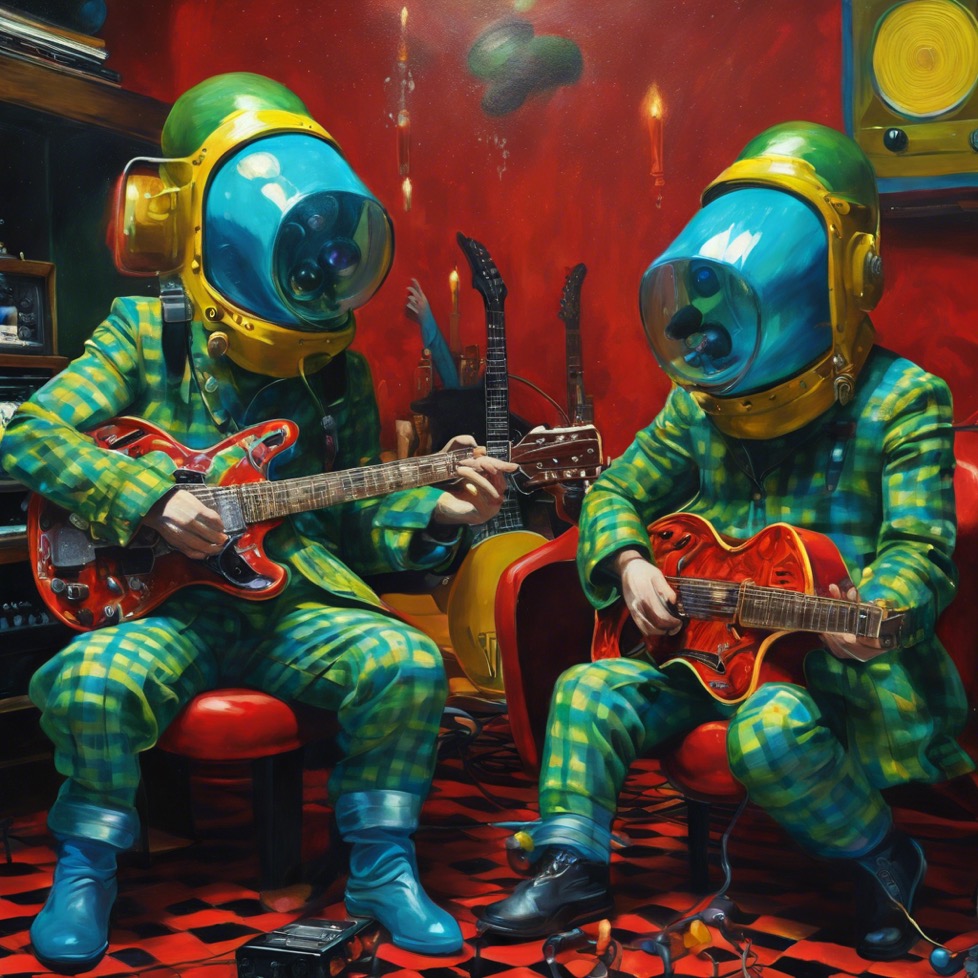
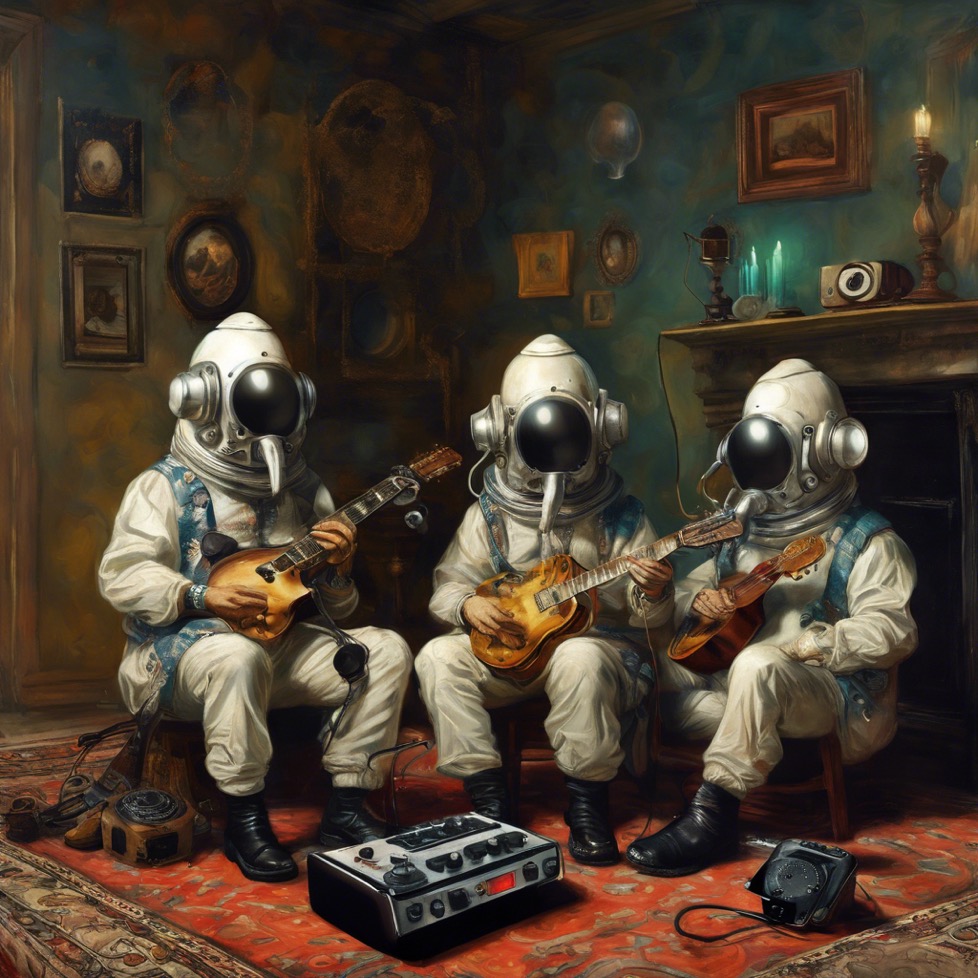
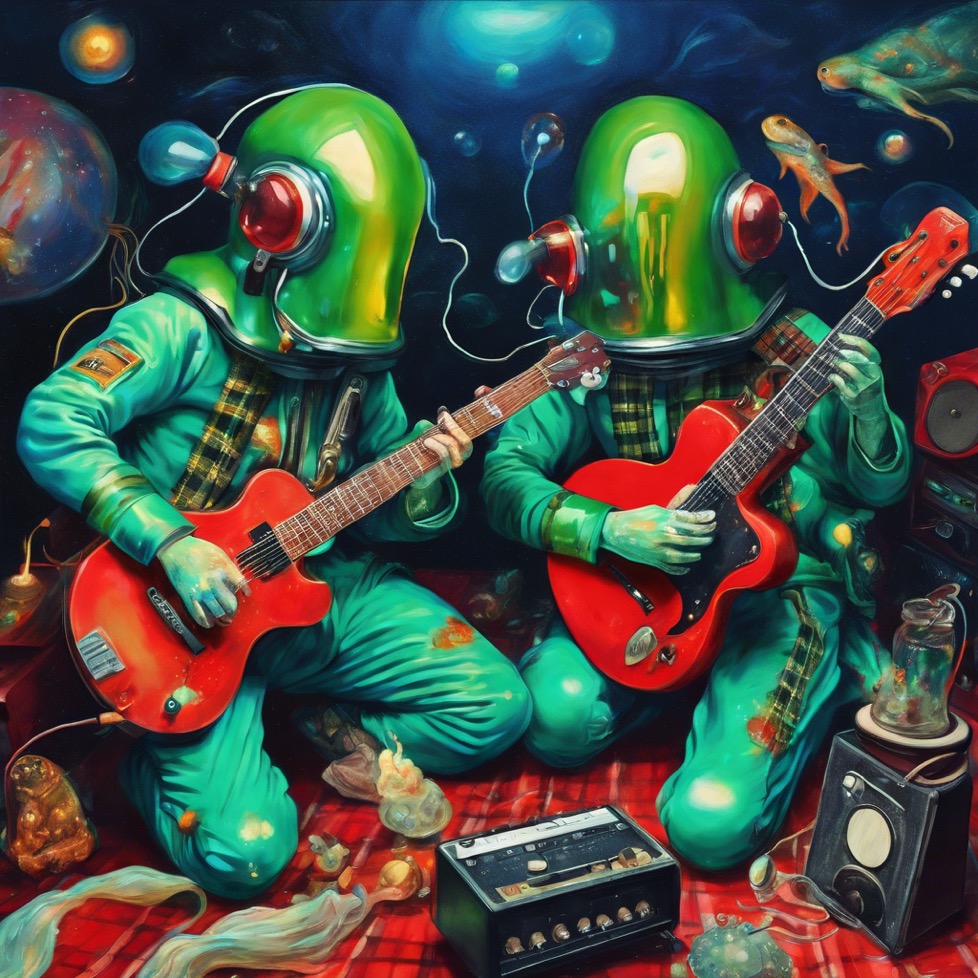
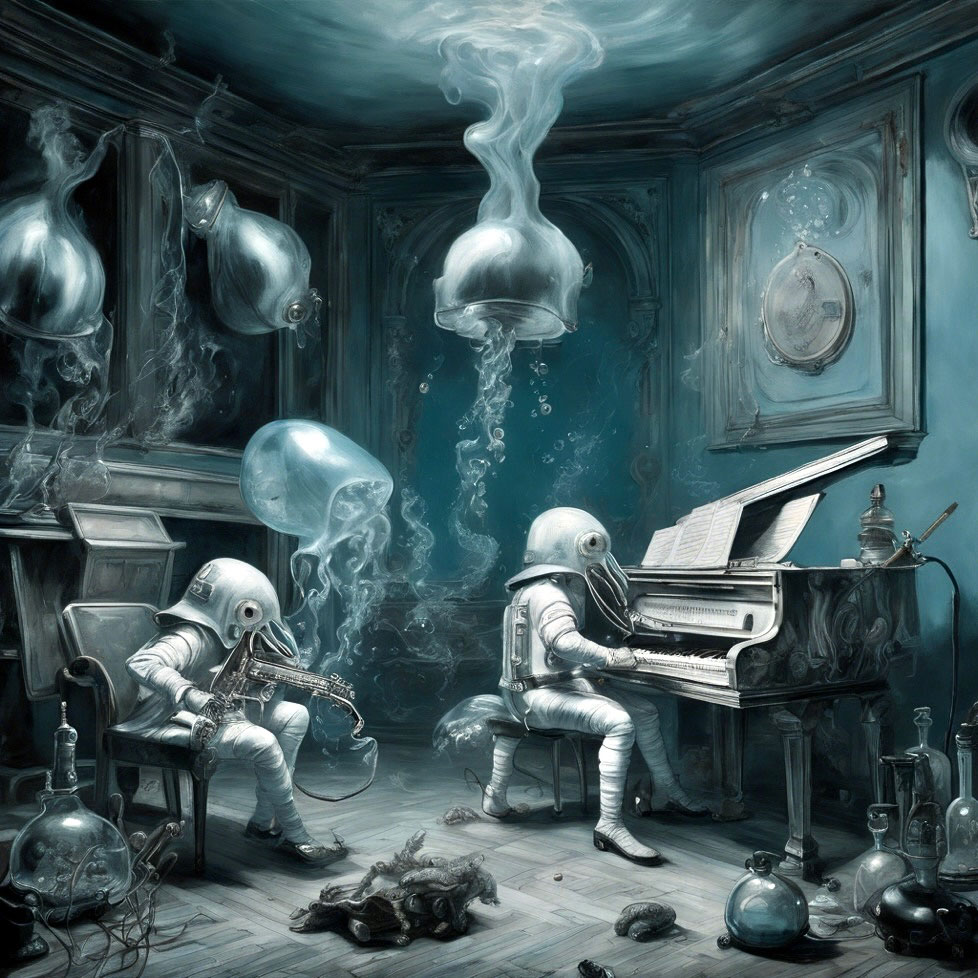
This report investigates the quantum dynamics of sound produced by Oceanic Terrestrial Beings (OTB) playing keyboards in an underwater environment. It emphasizes the integration of bubble theory and the mathematical representation of vibrational interactions. The study aims to elucidate the complex relationships between sound waves, bubble formation, and the underlying principles of quantum physics in aquatic acoustics.
1. Introduction
The interaction of sound and water presents a unique opportunity to explore the principles of quantum physics and bubble theory. This report documents the performance of OTB using keyboards in an underwater setting, focusing on how sound waves interact with the medium and the implications of these interactions on vibrational dynamics.
2. Quantum Dynamics of Sound Production
2.1 Sound Wave Generation
When keys on the keyboards are pressed, sound waves are generated and can be described by the wave equation:
where 𝛹(x,t) represents the sound wave function, c is the speed of sound in water, and x is the position along the wave’s propagation.
2.2 Frequency and Wavelength
The frequency f of the sound produced by the keyboards can be related to the wavelength λ by the equation:
where c is approximately 1,480 m/s in water. This relationship allows for the calculation of the wavelengths generated during the performance.
3. Integration of Bubble Theory
3.1 Bubble Formation
As sound waves propagate through the water, they create bubbles that act as resonant cavities. The dynamics of these bubbles can be described by the Rayleigh-Plesset equation:
where R is the bubble radius, ρ is the density of the liquid, Pg is the pressure inside the bubble, P∞ is the ambient pressure, σ is the surface tension, and Pv is the vapor pressure.
3.2 Resonance Effects
Each bubble resonates at its own natural frequency, enhancing specific frequencies of the sound waves produced by the keyboards. The interaction between the keyboard frequencies and the bubble resonances leads to constructive and destructive interference, producing a rich auditory landscape.
4. Vibrational Dynamics in the Underwater Medium
4.1 Multi-Layered Vibrations
The underwater environment allows for the coexistence of multiple sound frequencies. The vibrational response of the medium can be analyzed using Fourier transforms, decomposing the complex waveforms produced by the keyboards into their constituent frequencies:
where Fω is the frequency spectrum of the sound wave, and f(t) is the time-domain signal.
4.2 Quantum Superposition
The principle of quantum superposition can be applied to the sound waves interacting in the underwater environment. Each vibrational mode can exist simultaneously, leading to a superposition of waves that creates a complex sound field.
5. Conclusion
This report outlines the quantum dynamics of sound production and the integration of bubble theory in the performance of Oceanic Terrestrial Beings (OTB) using keyboards underwater. The mathematical frameworks presented provide insights into the vibrational interactions occurring within the aquatic medium. Further research may explore the implications of these interactions on marine ecosystems and the potential applications of underwater acoustics in scientific and ecological studies.