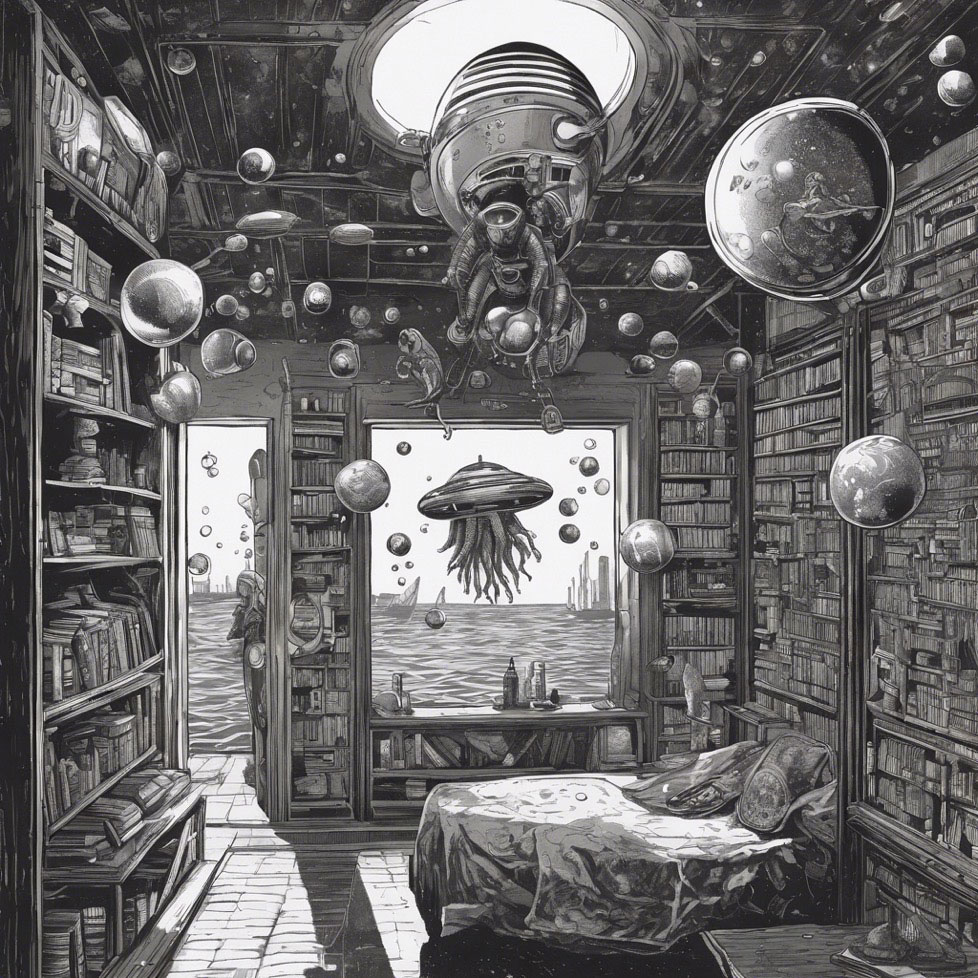
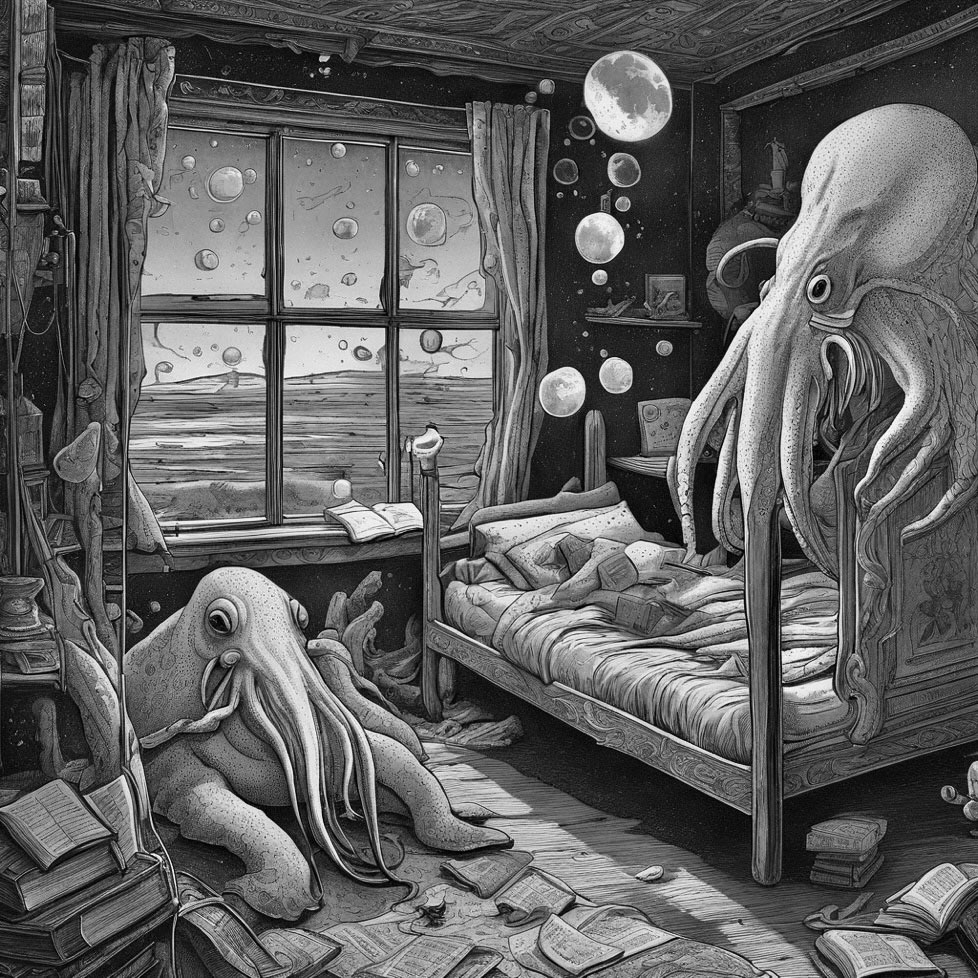
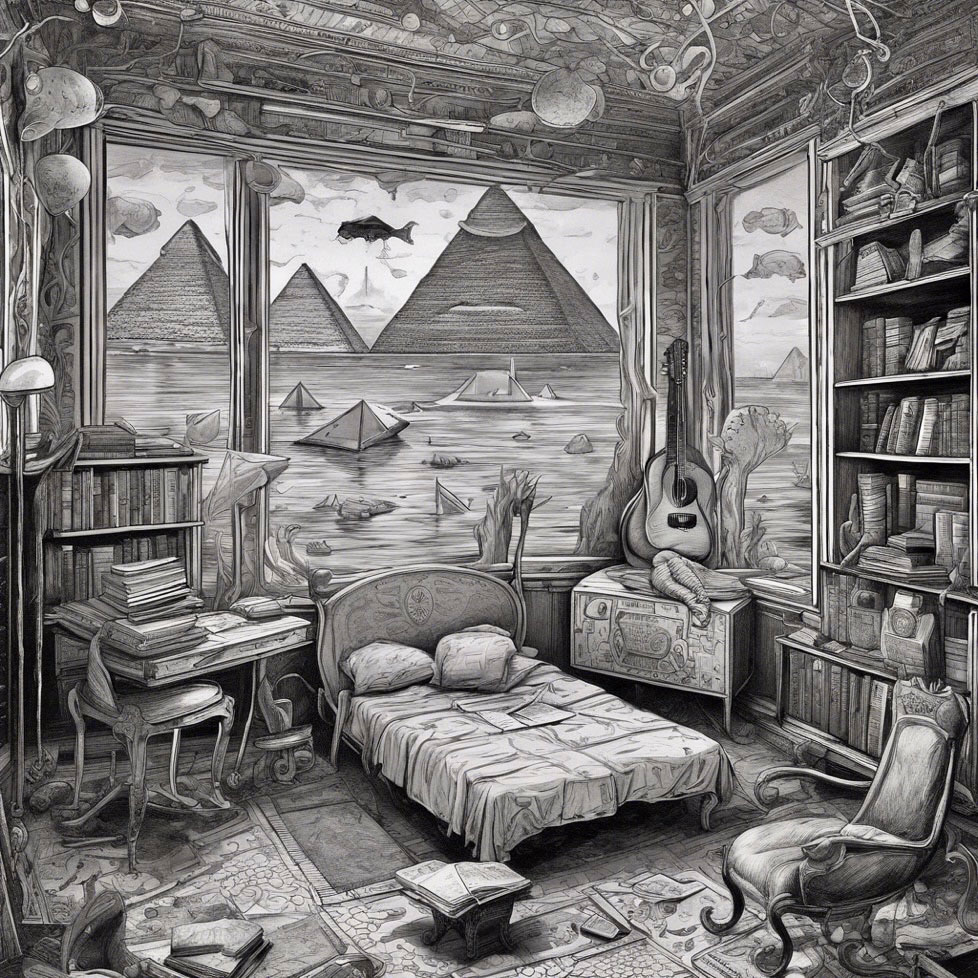
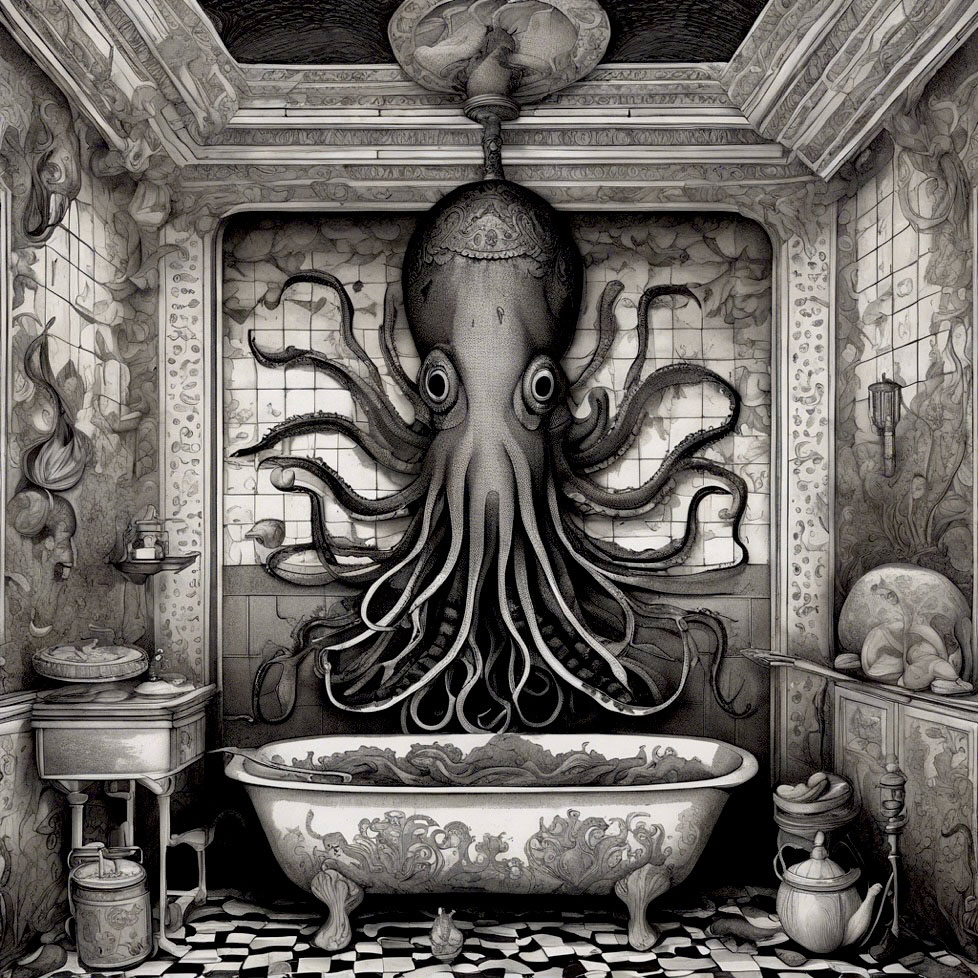
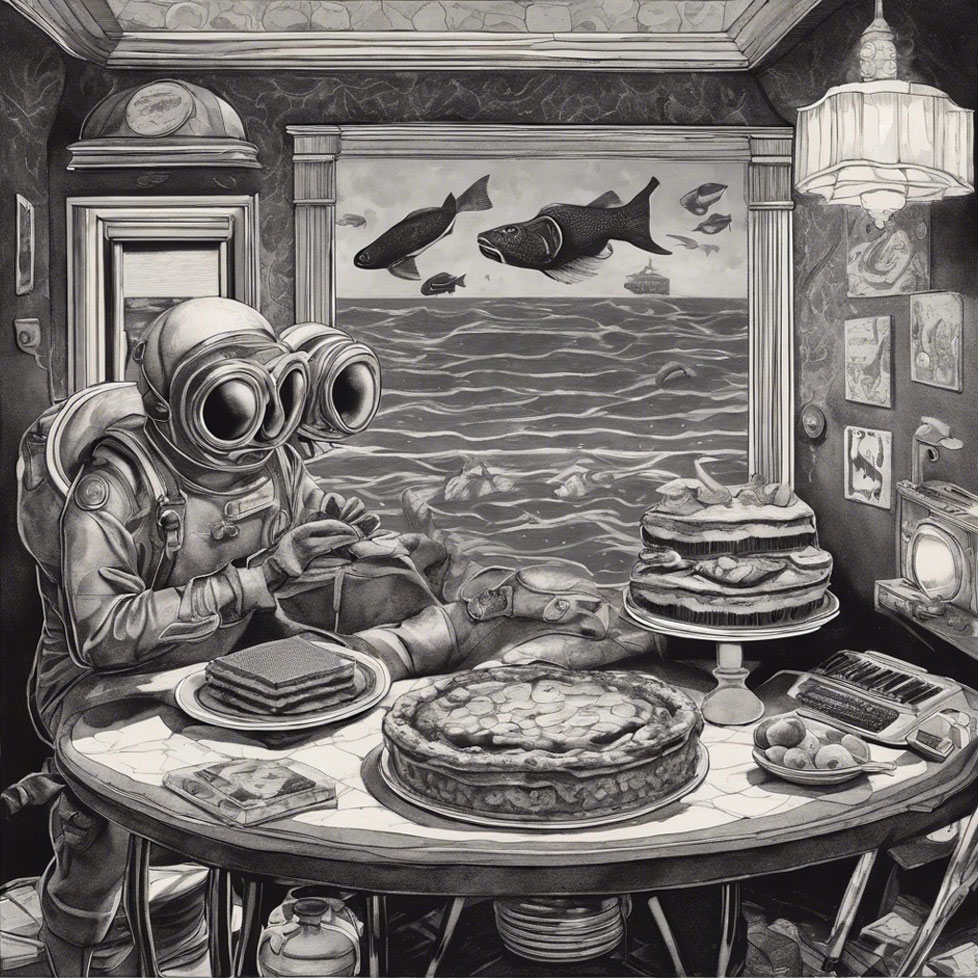
This paper delves into the intricate relationship between Bubble Theory and the phenomenon of dreaming, positing that during sleep, human consciousness engages with vibrational bubbles that translate energy into quantum states. This exploration will focus on the concept of “dream rooms,” where memories, particularly those reminiscent of Proust’s reflections, are manifested as visual commemorations. These dream rooms serve as a unique environment for examining fourth-dimensional relations of various entities within distinct gravitational fields, all while operating at a quantum level.
1. Introduction to Dream Rooms in Bubble Theory
In the context of Bubble Theory, the concept of dream rooms emerges as a fascinating intersection between consciousness and the vibrational nature of the universe. Dream rooms can be envisioned as multidimensional spaces where the mind navigates through memories and sensations while asleep. This process of dreaming transforms energy into quantum states, facilitating the manifestation of complex visual narratives that evoke profound personal and collective experiences.
2. Quantum States and Energy Translation
- Energy Translation during Sleep: When individuals enter the realm of sleep, their consciousness becomes attuned to the vibrational frequencies of the universe. During this state, the energy generated by the mind is translated into quantum states, allowing for the exploration of alternate realities and experiences that transcend ordinary waking life.
- Vibrational Dynamics: The vibrational bubbles associated with consciousness during dreams operate on a quantum level, enabling the mind to access and interact with different dimensions. This interaction facilitates the blending of memories, emotions, and sensory experiences, creating a rich tapestry of visual commemorations.
3. Proustian Memory and Visual Commemorations
- Inspiration from Proust: The literary work of Marcel Proust serves as a poignant reference point for understanding how memories can be triggered by sensory experiences. Proust’s exploration of involuntary memory highlights the profound connections between sensory stimuli and recollections, which becomes particularly relevant in the context of dreaming.
- Manifestation in Dream Rooms: Within dream rooms, the recall of Proustian memories can occur through visual representations and sensory evocations. Dreams allow individuals to experience these memories as vividly as if they were occurring in real-time, creating a dynamic interplay between past experiences and present consciousness.
4. Fourth-Dimensional Relations and Gravitational Fields
- Exploring Fourth-Dimensional Perspectives: Dream rooms operate within a framework where fourth-dimensional relations can be perceived. These dimensions allow for a nonlinear experience of time and space, where past, present, and future intertwine. In this context, the mind can navigate through various scenarios and memories, leading to unique interpretations of reality.
- Gravitational Fields and Quantum Influence: The gravitational fields present within dream rooms can influence the representation and experience of memories. Different gravitational environments can alter the perception of time and space in dreams, impacting how memories are recalled and visualized. This interaction highlights the complex relationship between consciousness, memory, and the fundamental forces that govern the universe.
5. Quantum Level Interactions in Dream Rooms
- Quantum Entanglement of Memories: Within the dream rooms, memories can become entangled at a quantum level, allowing for simultaneous experiences and connections between seemingly disparate events. This entanglement enables the dreamer to explore relationships and narratives that extend beyond the confines of linear thinking.
- Resonance of Dream States: The resonance experienced in dream states reflects the vibrational dynamics of Bubble Theory, where the interactions of different memories and experiences create a rich tapestry of insights and revelations. Dreams can serve as a means of processing emotions and experiences, facilitating personal growth and understanding.
Conclusion
The exploration of dream rooms within the framework of Bubble Theory offers a profound understanding of how consciousness interacts with the vibrational fabric of the universe. By translating energy into quantum states and visual commemorations, individuals can navigate a multidimensional landscape of memories and experiences. The integration of Proustian memory, fourth-dimensional relations, and gravitational influences highlights the complexity of human consciousness and its capacity to traverse time and space. Ultimately, this investigation into dream rooms illustrates the potential for deeper insights into the nature of reality and the interconnectedness of all experiences.