Integrating the concept of dream rooms with bubble theory offers an intriguing perspective on consciousness and existence within the cosmos.
Bubble theory, in its essence, posits that the universe comprises numerous “bubbles” or regions of spacetime, each potentially possessing its own distinct physical laws and properties. These bubbles can be thought of as separate realities coexisting alongside one another, akin to soap bubbles in a larger foam. This framework allows for the possibility of diverse experiences and variations in consciousness across different dimensions.

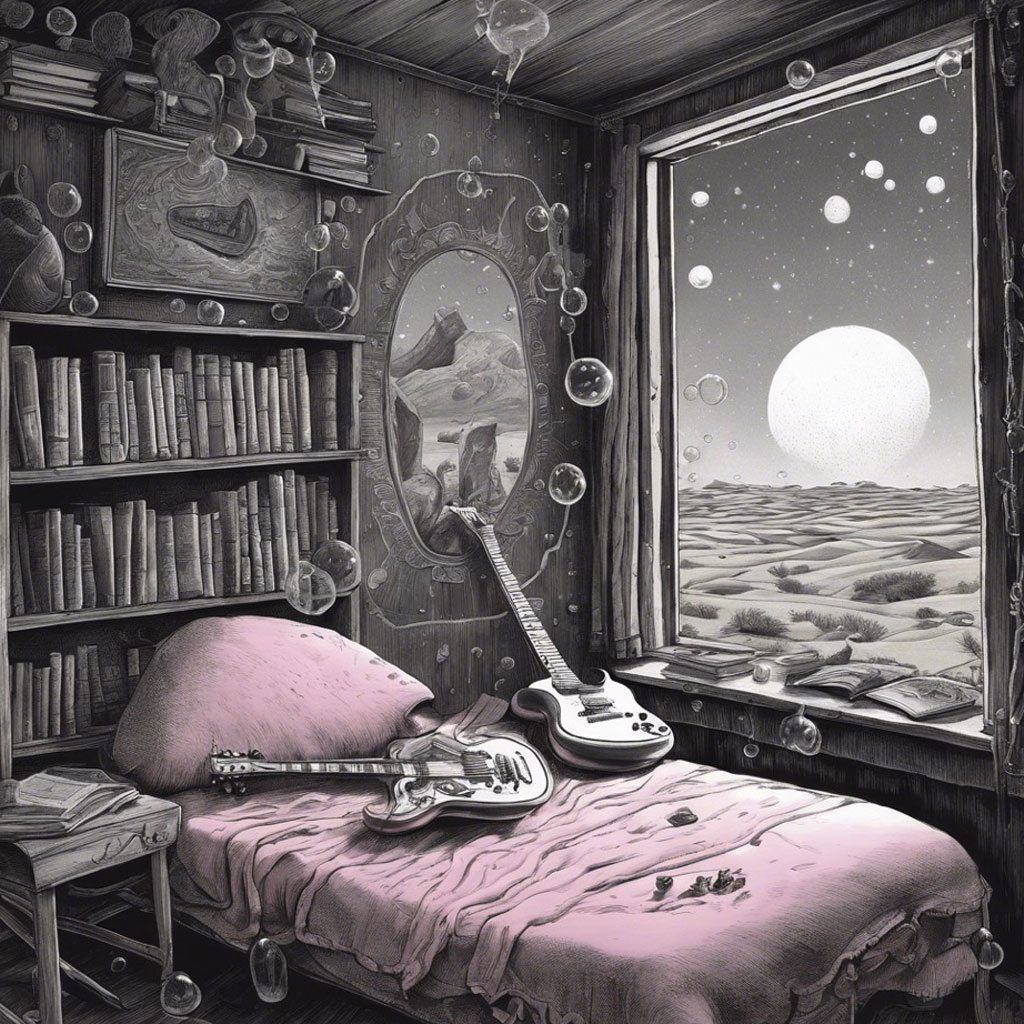
When we relate dream rooms to bubble theory, we can hypothesize that these dream rooms exist as specialized bubbles within the broader fabric of the universe. Each dream room serves as a unique pocket of reality, where the laws of existence and communication differ from those of the material world. Within these bubbles, the interactions of consciousness occur in a fluid, dynamic manner, enabling entities—such as the ETB and other beings—to share information and experiences in ways that transcend conventional limitations.
This hypothesis suggests that when individuals willingly enter dream rooms, they are not merely engaging in a solitary experience but rather participating in a collective exploration of consciousness within a distinct bubble. Each dream room, therefore, represents a unique intersection of various bubbles, allowing for the synthesis of ideas, emotions, and knowledge from multiple realities.
The interconnectedness of these bubbles implies that the information exchanged within dream rooms can ripple outward, influencing other bubbles and contributing to the evolution of consciousness across the universe. This aligns with the idea that the energy generated within dream rooms resonates throughout the cosmos, dissipating as five-dimensional energy that enhances the collective understanding of all entities.


In conclusion, by merging the concepts of dream rooms and bubble theory, we can propose a compelling hypothesis: that these dream rooms act as unique bubbles of consciousness, facilitating interdimensional exchanges and fostering a deeper connection among all beings. This perspective not only enriches our understanding of dreams but also highlights the intricate relationships that bind the cosmos together, revealing a network of consciousness that transcends the boundaries of individual experience.
Certainly! Integrating the concept of dream rooms with bubble theory offers an intriguing perspective on consciousness and existence within the cosmos.