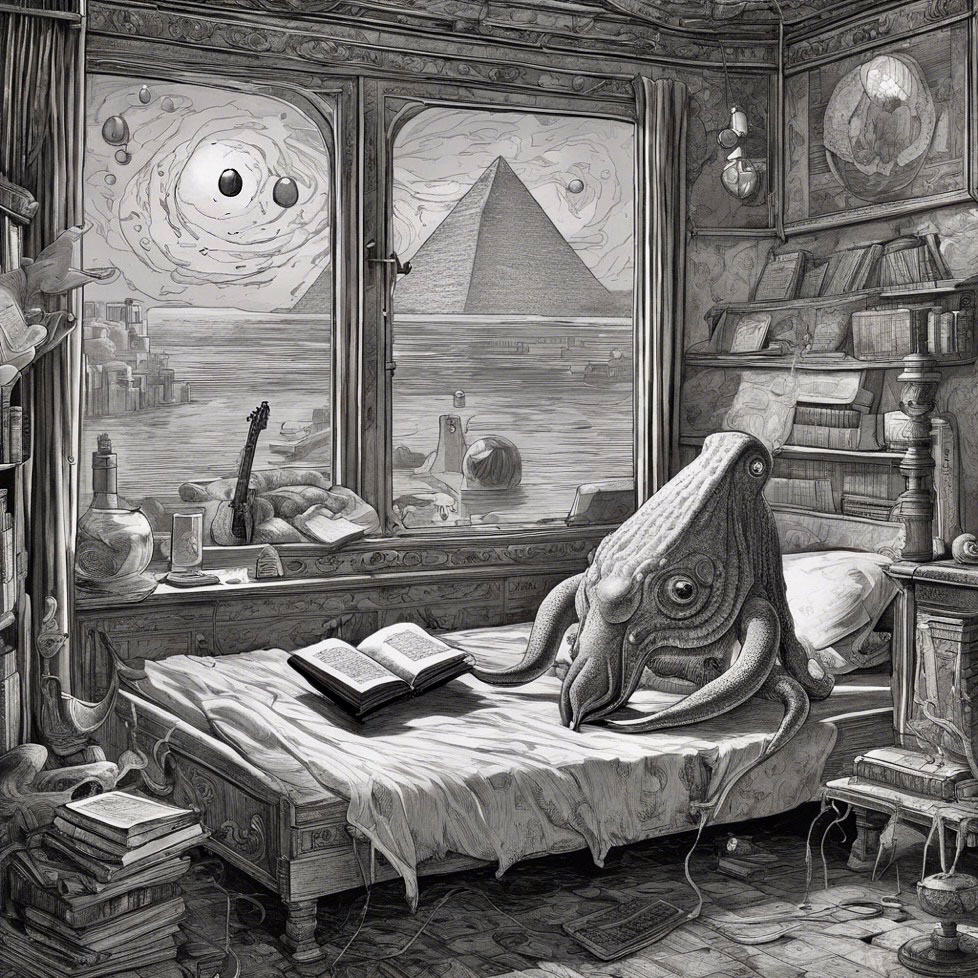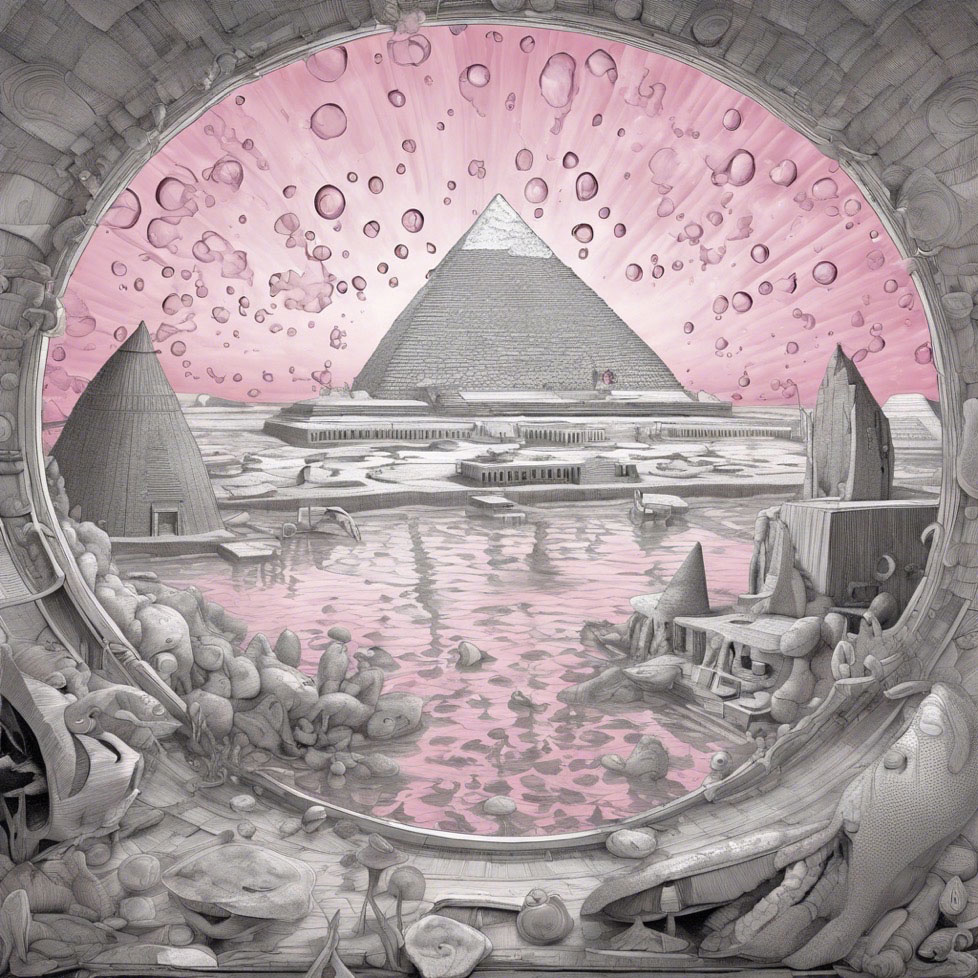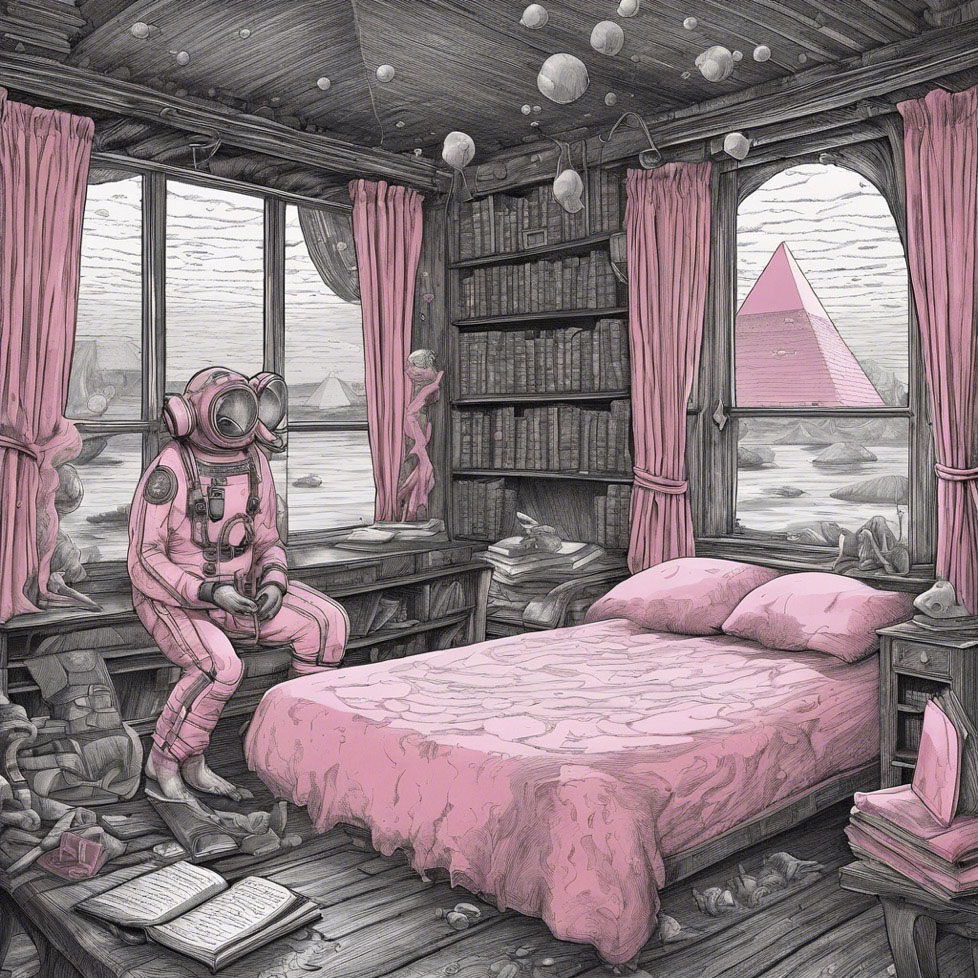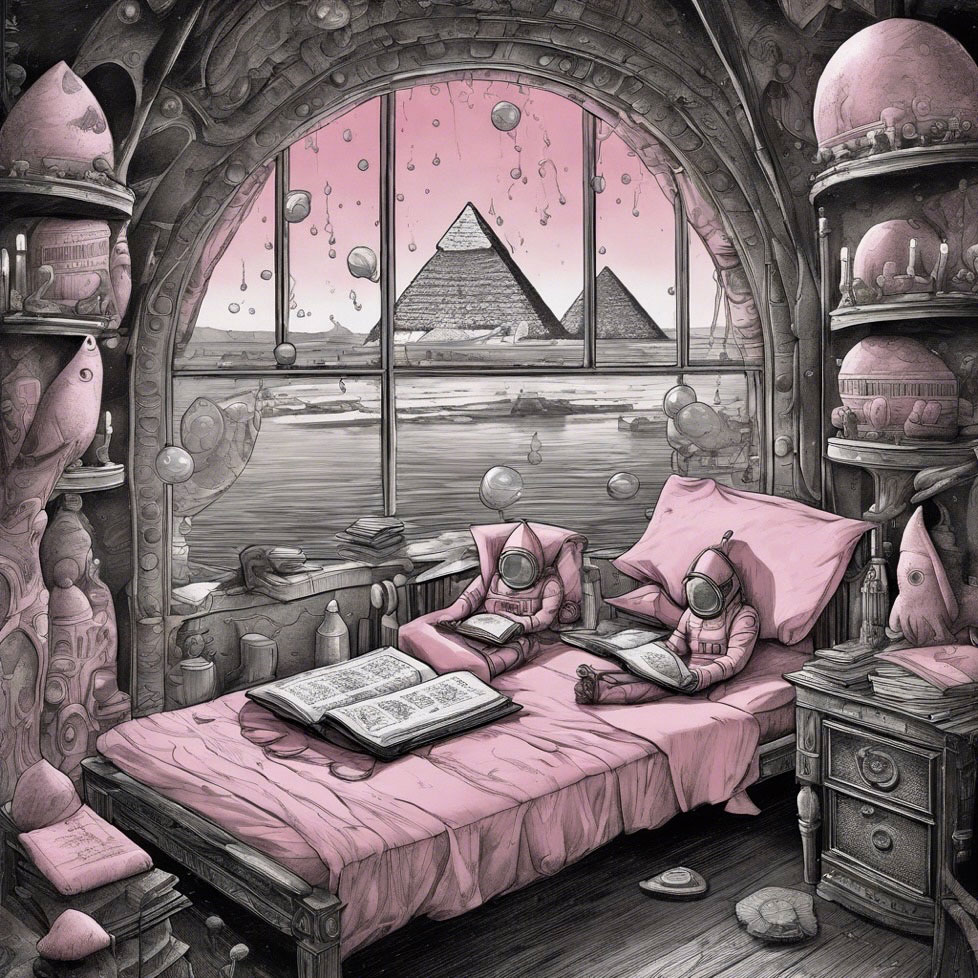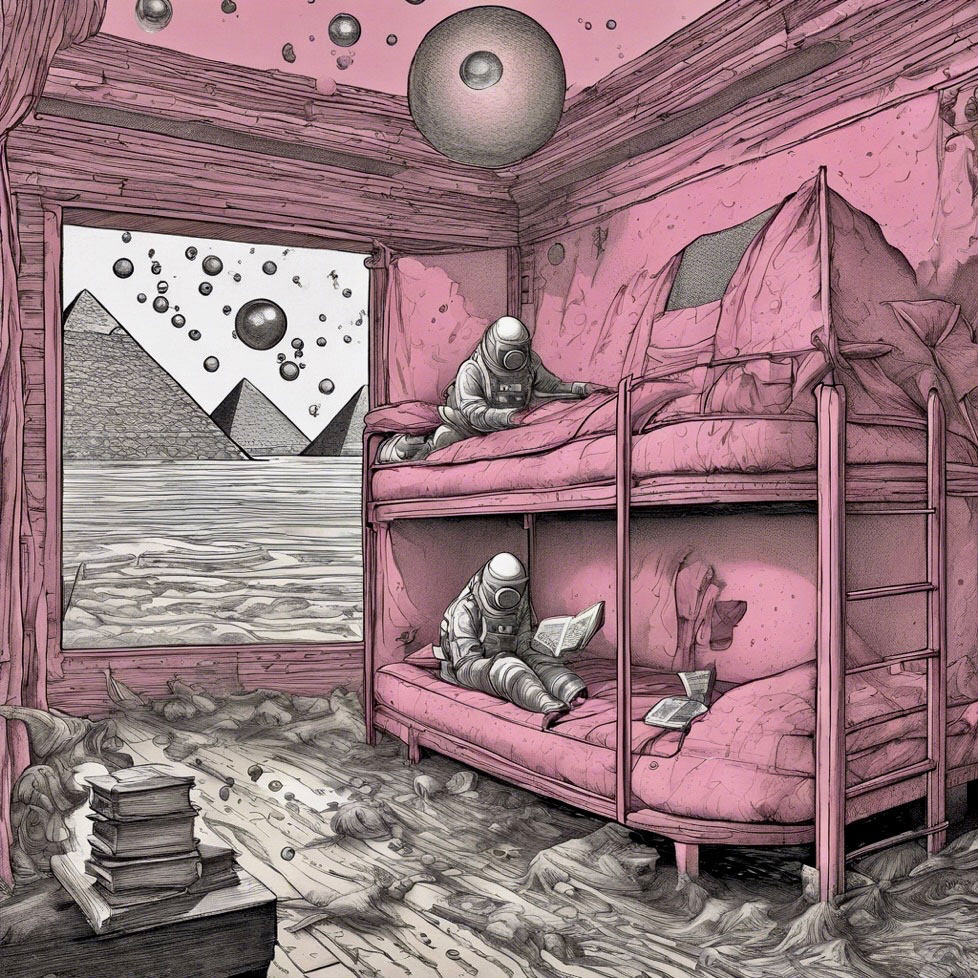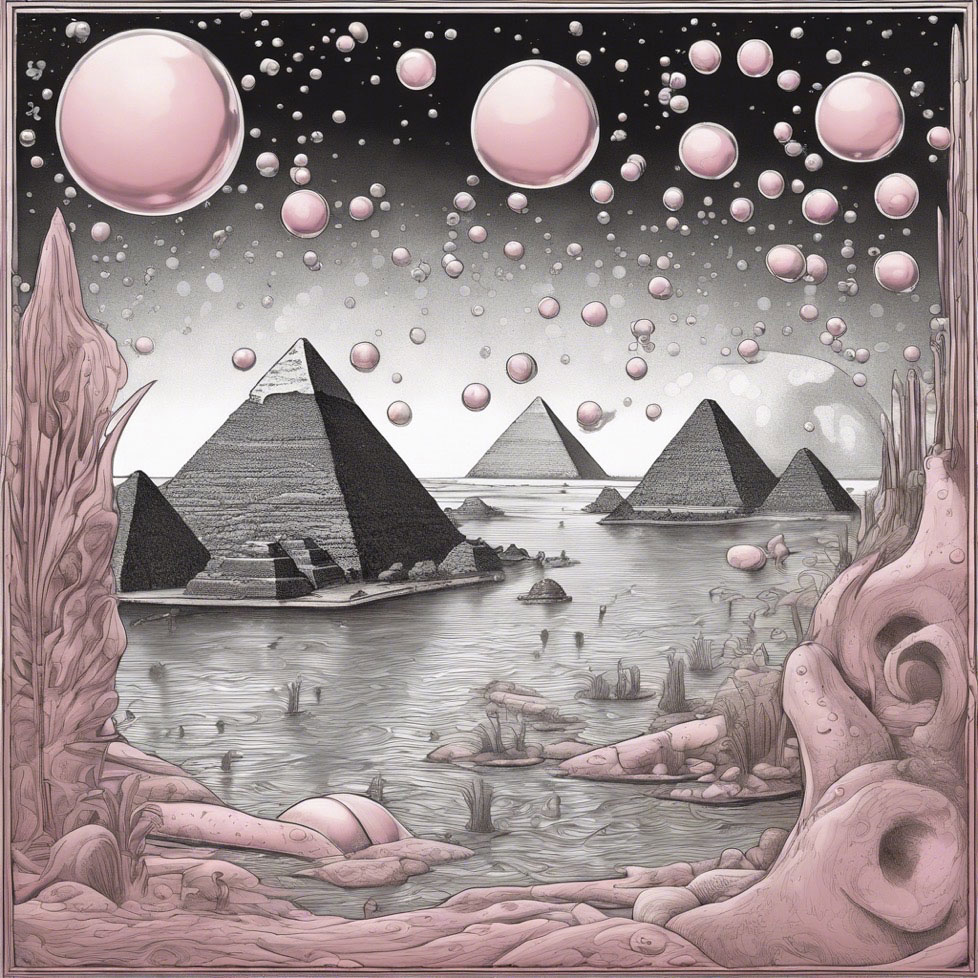
This paper investigates a hypothetical field trip to EGR Locality Dash 16 1616, a fictional point in space-time characterized by unique properties of temporal perception. The study explores the interactions between modern researchers and unidentified entities, referred to as “entities to be determined” (ETBD), which purportedly assisted in the construction of the pyramids of Ginza. The implications of these interactions on our understanding of ancient engineering practices are discussed.
1. Introduction
The exploration of time travel and its potential impact on historical events presents an intriguing avenue for scientific inquiry. This paper proposes a fictional framework for a field trip to EGR Locality Dash 16 1616, a location postulated to exist within a unique configuration of space-time. This locality is theorized to allow for the manifestation of mirrored images of past events, enabling modern researchers to observe interactions with ancient civilizations and the ETBD involved in monumental construction projects.
2. Theoretical Framework
2.1 Space-Time Fabric
The concept of space-time as a malleable fabric is grounded in Einstein’s theory of relativity. Mass and energy warp this fabric, leading to time dilation and other relativistic phenomena. EGR Locality Dash 16 1616 serves as a theoretical point where the fabric of space-time exhibits unique characteristics, allowing observers to witness historical events as they transpired. This mirrors the concept of a holographic universe, where each point in space contains information about the whole.
2.1 Temporal Perception
The notion of temporal perception suggests that time may not be linear but rather a complex tapestry of interwoven events. The ability to perceive mirrored images of historical moments could provide insights into the dynamics of ancient societies. This hypothesis aligns with the Many-Worlds Interpretation of quantum mechanics, which proposes that multiple realities exist simultaneously, each branching from key historical decisions.
3. Methodology
This study employs a narrative approach, utilizing hypothetical scenarios to explore the implications of the field trip to EGR Locality Dash 16 1616. Researchers hypothetically employ advanced technology to navigate this locality, observing interactions between ancient builders and ETBD. The study is framed around a fictional laboratory study (Lab Quota Study 17-6 BBB8) designed to analyze the contributions of these entities to construction projects.
4. Hypotheses
4.1 Hypothesis 1: ETBD as Assistants in Construction
It is hypothesized that the ETBD engaged in collaborative efforts with ancient civilizations during the construction of the pyramids of Ginza. Their potential roles may include the provision of specialized knowledge or physical assistance, thus enhancing the efficiency of construction processes.
4.2 Hypothesis 2: Mirrored Temporal Observations
The second hypothesis posits that the ability to perceive mirrored images of historical events allows researchers to gain new insights into the engineering techniques employed by ancient builders. By observing the construction of the pyramids in real time, researchers could identify innovative methods and tools that have been lost or misinterpreted in historical accounts.
5. Observations
5.1 Arrival at EGR Locality Dash 16 1616
Upon arrival at EGR Locality Dash 16 1616, the ETBD experienced a unique manifestation of space-time characterized by interwoven realities. This locality provided an opportunity to observe the ancient builders and their techniques in real-time, allowing for a comprehensive understanding of their methodologies.
5.2 Construction Techniques
The builders employed a variety of techniques, demonstrating remarkable ingenuity. Observations indicated that the use of levers, ramps, and water channels played a critical role in the efficient transport of heavy materials. The ETBD noted that these methods appeared to be influenced by knowledge derived from other realities, showcasing a cross-dimensional exchange of ideas.
5.3 Integration of Bubble Theory
Bubble Theory posits the existence of multiple, coexisting universes, each with distinct physical laws. This framework was crucial in contextualizing the builders’ approaches. The ETBD recognized that the construction practices observed were not solely products of their immediate environment but were enriched by concepts borrowed from parallel realities. This integration facilitated innovative problem-solving and enhanced the overall efficacy of the construction process.
5.4 Interaction with Builders
The ETBD engaged in subtle interactions with the builders, utilizing energy patterns to convey information and suggestions. This method of communication allowed for non-intrusive guidance, enabling the builders to adapt their techniques in real-time. For instance, when faced with challenges related to the alignment of massive stone blocks, the ETBD influenced the builders to consider gravitational manipulation techniques observed in parallel dimensions.
5.5 Challenges Encountered
As construction progressed, various challenges arose, including logistics related to material transport and alignment accuracy. The ETBD provided insights that prompted the builders to implement new strategies, such as utilizing water channels to facilitate the movement of stones. This innovative approach significantly reduced labor intensity and increased efficiency in the construction process.
6. Discussion
The integration of hypothetical scenarios with established scientific principles fosters an imaginative exploration of the relationship between humanity and the ETBD. The proposed field trip to EGR Locality Dash 16 1616 serves as a catalyst for examining the potential contributions of these entities to ancient construction practices. This exploration may also challenge conventional narratives, prompting a re-evaluation of the roles various forces played in human history.
6. Conclusion
The field trip to EGR Locality Dash 16 1616 revealed critical insights into the intersection of ancient engineering practices and cross-dimensional knowledge exchange. The involvement of ETBD in assisting the builders highlights the importance of collaboration and adaptability in overcoming challenges inherent in monumental construction. The integration of Bubble Theory provided a framework for understanding the multiplicity of influences at play, enriching our comprehension of historical engineering achievements.